—Barrington Williams, B1Daily
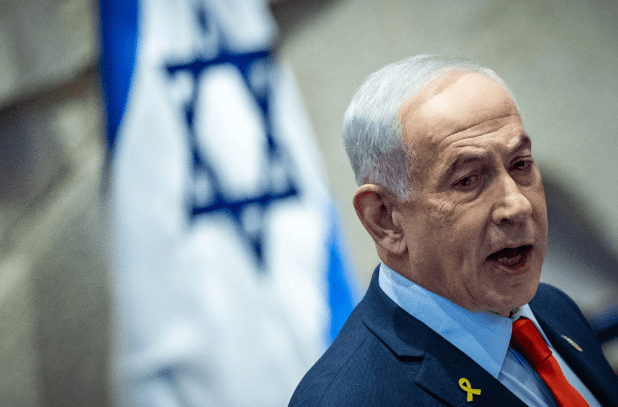
In the United States, debates about media influence are nothing new. Corporations, political parties, tech platforms, and wealthy individuals are all frequently accused of shaping narratives and steering public opinion. But one increasingly discussed question in foreign policy circles is whether a foreign country—specifically Israel—exerts disproportionate influence over American media and political discourse.
The relationship between the United States and Israel is unique. Since Israel’s founding in 1948, the two countries have maintained a close alliance built on shared strategic interests, military cooperation, and strong diplomatic ties. In American politics, support for Israel has long been bipartisan, with both major parties emphasizing the importance of maintaining that relationship.
However, critics argue that the strength of this alliance sometimes blurs the line between normal diplomacy and excessive influence over public narratives. Discussions about Israel’s policies—particularly regarding the Israeli-Palestinian conflict—often become highly charged in American media. Some commentators claim criticism of Israeli government actions receives less attention or faces stronger pushback compared to criticism directed at other countries.
Advocacy organizations play a role in shaping political conversations in Washington and beyond. One of the most prominent is American Israel Public Affairs Committee (AIPAC), a lobbying group that works to strengthen U.S.–Israel relations. Supporters view organizations like AIPAC as legitimate participants in democratic advocacy, similar to countless other lobbying groups that represent foreign policy interests.
Critics, however, say the level of political influence connected to pro-Israel advocacy is unusually strong for a foreign ally. They argue that this influence can extend beyond politics and into the broader media environment, affecting which stories receive attention and how certain topics are framed.
Supporters of Israel reject the idea that there is any coordinated control over American media. They point out that U.S. media is vast, decentralized, and owned by a variety of corporations with diverse viewpoints. From cable news networks to independent digital outlets, narratives about Israel and the Middle East vary widely across the media landscape.
Another factor complicating the conversation is the structure of modern media itself. Major networks and outlets are owned by large corporate conglomerates whose editorial decisions are often influenced by economic considerations rather than foreign policy pressure. Critics who attribute media bias solely to foreign influence may overlook these domestic dynamics.
At the same time, it is not unreasonable for Americans to question how foreign governments and international advocacy groups shape discourse within the United States. Countries around the world—including allies and adversaries alike—invest heavily in public diplomacy, lobbying, and media engagement in Washington. Israel is far from the only nation doing so.
The real issue may not be whether Israel has influence in American media, but whether the United States has clear and transparent boundaries when it comes to foreign influence of any kind. In a globalized information environment, governments, corporations, and interest groups all compete to shape narratives.
Ultimately, the strength of American democracy depends on open debate. That includes the ability to question the influence of powerful interests—whether they are domestic corporations, political parties, or foreign allies. Conversations about media influence should focus less on accusations of control and more on transparency, accountability, and ensuring that the American public receives diverse perspectives on global issues.
The United States prides itself on having one of the most open media environments in the world. Maintaining that openness requires constant vigilance—not only about who holds power in media, but also about how that power is exercised.
—Barrington Williams, B1Daily


 B1Daily
Leave a comment