
—Vanessa Edwards, B1Daily
The Bahamas is known around the world for its turquoise waters, luxury resorts, and postcard-perfect beaches. Millions of tourists visit each year seeking relaxation in what is often portrayed as a tropical paradise. Yet behind the glossy tourism advertisements and cruise ship terminals lies a disturbing question that too few are willing to confront: is the Bahamas facing a growing crisis of child sex trafficking that the world is largely ignoring?
For many advocates and observers, the answer is increasingly difficult to dismiss.
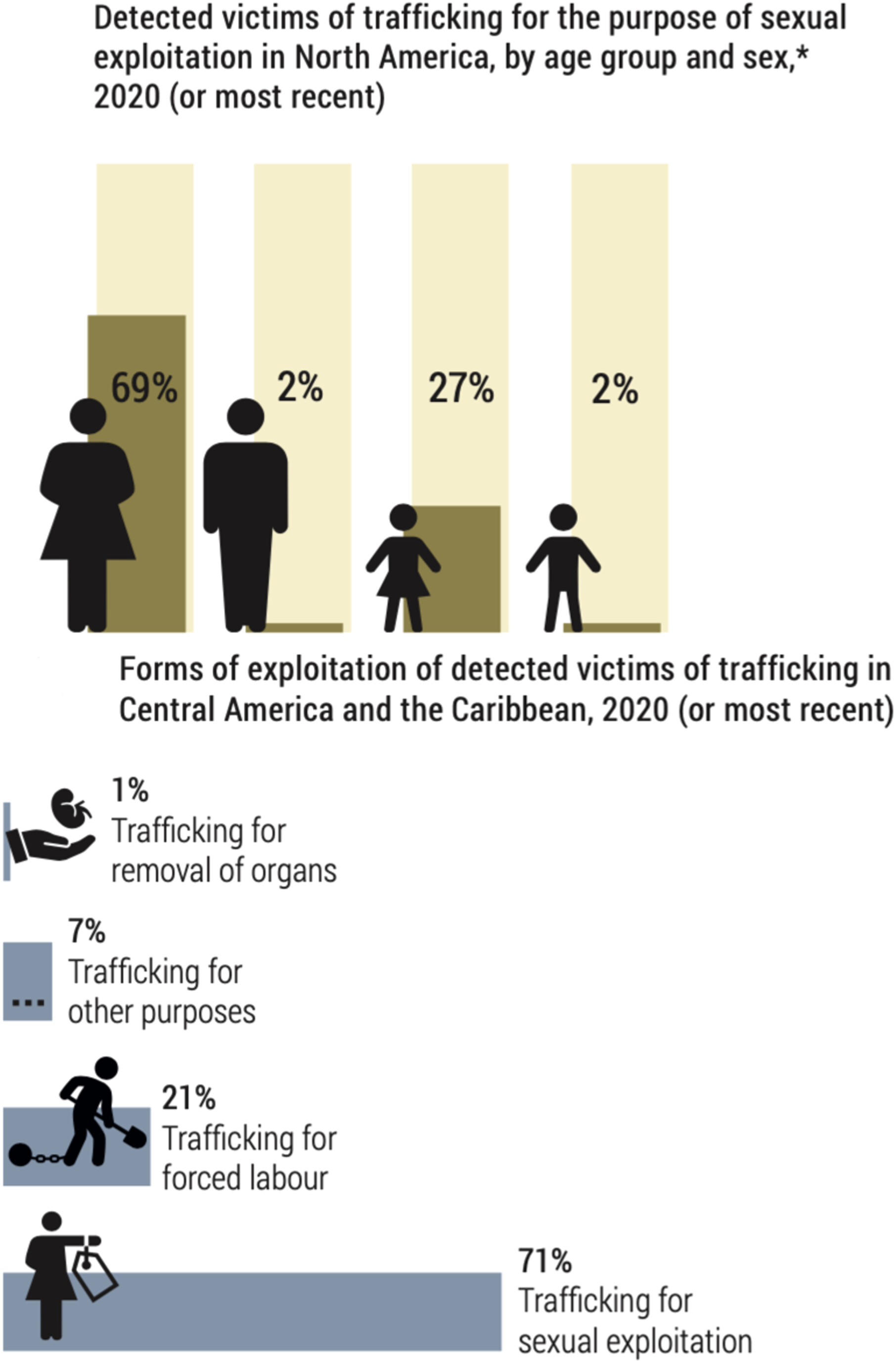
Human trafficking has become a global industry worth billions of dollars annually, and small island nations are not immune. In fact, they can sometimes be uniquely vulnerable. Tourism economies, transient populations, and porous borders can create conditions where exploitation thrives in the shadows. In the Bahamas, a nation heavily dependent on tourism, these factors raise uncomfortable concerns about whether the country’s infrastructure is equipped to detect and stop the exploitation of minors.
Reports from regional watchdog groups and anti-trafficking organizations have long suggested that Caribbean nations face rising risks related to sexual exploitation, particularly of young people. While the Bahamas has laws criminalizing trafficking and exploitation, enforcement and visibility remain persistent concerns. The problem with trafficking is that it rarely presents itself openly; it operates quietly, often hidden behind legitimate businesses, private residences, or online platforms.
The most troubling element of the discussion is the silence.

Child trafficking is not a crime that typically surfaces in broad daylight. Victims are often manipulated, threatened, or psychologically controlled, making reporting extremely rare. When cases do surface, they are often isolated incidents that fail to reveal the broader scope of the issue. This creates a dangerous illusion that the problem is small when it may simply be deeply concealed.
Tourism adds another layer of complexity. Countries that rely heavily on international visitors are sometimes reluctant to publicly acknowledge crimes that could damage their global reputation. This is understandable from an economic perspective, but it can also create an environment where uncomfortable conversations are avoided. If child exploitation networks are operating in or around tourism hubs, ignoring the issue will not make it disappear.
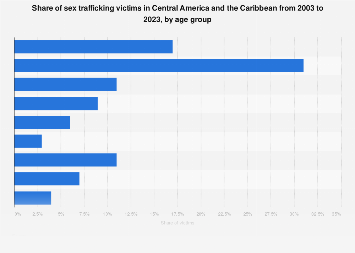
The internet has also transformed the trafficking landscape. Online recruitment, grooming, and exploitation have become increasingly common worldwide. Social media platforms allow traffickers to contact vulnerable minors directly, sometimes without ever physically approaching them at first. For small nations with limited cyber-crime resources, monitoring and combating this type of activity can be extremely challenging.
Another issue that raises concern is economic vulnerability. In many communities across the Caribbean, poverty and lack of opportunity can create conditions where exploitation becomes easier. Young people from struggling households may be targeted with promises of money, gifts, or travel opportunities that mask predatory intentions.
This does not mean that the Bahamas government is ignoring the issue. Officials have periodically emphasized their commitment to combating trafficking, and legal frameworks exist to prosecute offenders. However, legislation alone does not solve a problem that requires active investigation, victim protection services, and sustained public awareness.
The larger question is whether the scale of the response matches the potential scale of the problem.
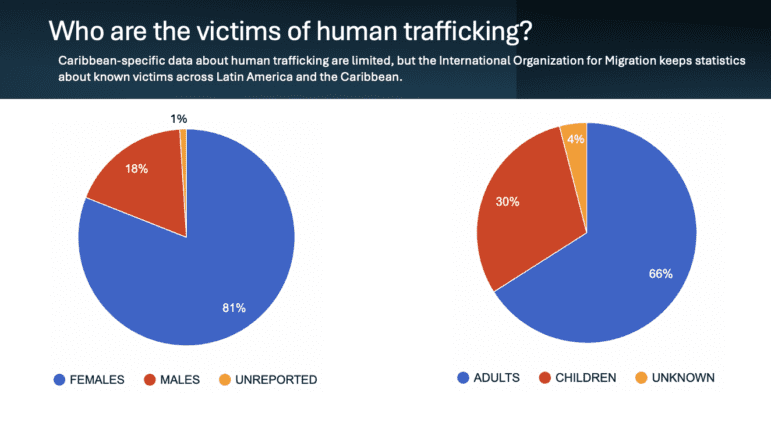
If child trafficking is occurring more frequently than official statistics suggest, then stronger investigative units, cross-border cooperation, and whistleblower protections may be needed. Survivors must also have safe pathways to report abuse without fear of retaliation or stigma.
Equally important is transparency. When governments openly acknowledge the risks and challenges they face, it encourages public cooperation and international support. Silence, on the other hand, allows rumors and speculation to fill the void.
Ultimately, the question is not whether the Bahamas should defend its reputation as a safe and beautiful country. Of course it should. But protecting that reputation should also mean confronting any threat to the most vulnerable members of society.
If even a small number of children are being exploited, the issue deserves urgent attention.
The paradise the world sees should also be a place where children are safe, protected, and free from exploitation. Anything less demands serious reflection—and decisive action.
—Vanessa Edwards, B1Daily



 B1Daily
Leave a comment