—Matt Gwinta, B1Daily
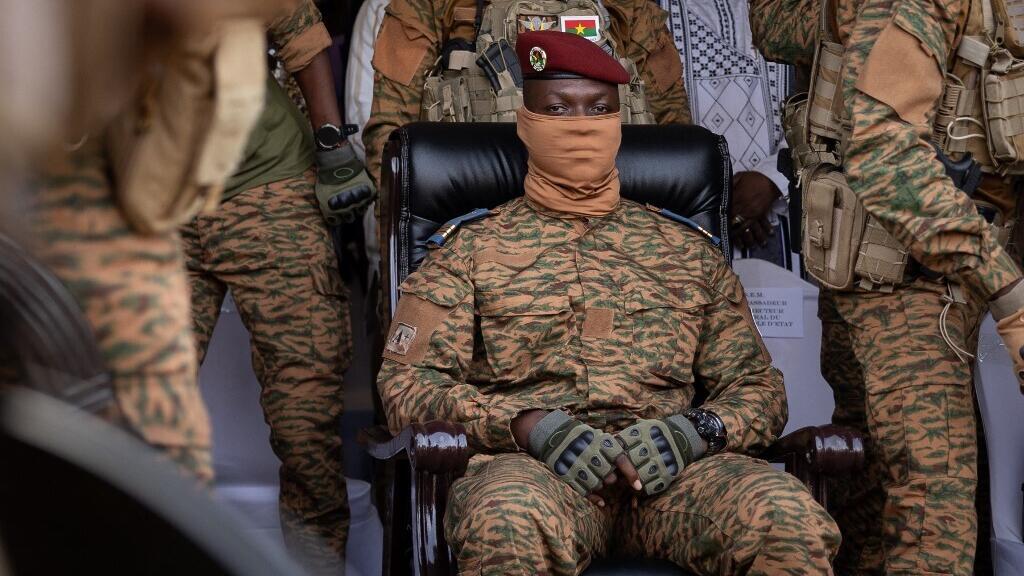
Three years after the military seized power, a difficult question is beginning to surface in political discussions across Africa and beyond: is Burkina Faso drifting toward dictatorship, or is its military leadership simply governing during a prolonged national crisis?
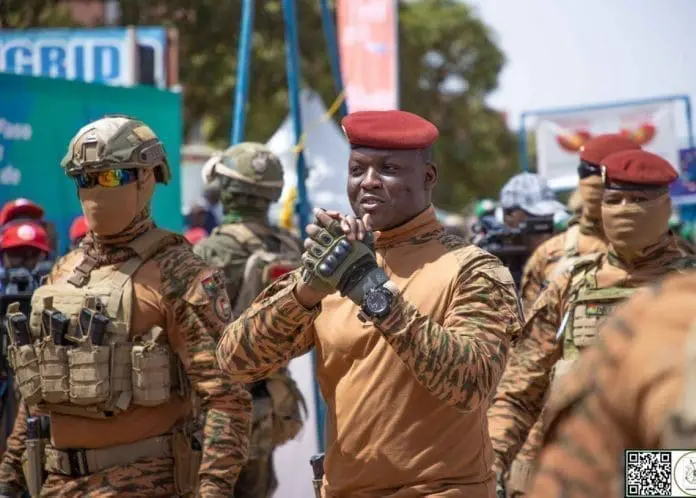
When Captain Ibrahim Traoré came to power in 2022 following a coup that ousted the previous junta leader, many citizens initially welcomed the change. Burkina Faso was facing an escalating security disaster, with jihadist groups controlling or threatening large areas of the country. The promise of stronger leadership and a renewed fight for national sovereignty resonated with many people who felt the civilian government had failed.
Supporters of the current government argue that extraordinary circumstances require extraordinary leadership. Burkina Faso remains in the middle of a brutal insurgency, and military leaders say stability must come before elections. In that context, they view the current transitional government not as a dictatorship but as a wartime administration trying to restore order.
However, critics point to troubling signs that raise legitimate concerns about the direction of the country.
For one, Burkina Faso has now been governed by a military authority for three consecutive years. Political parties have limited influence, elections remain uncertain, and the timeline for a return to civilian rule continues to shift. Historically, transitional governments across Africa have sometimes stretched temporary mandates into long-term rule.
There are also concerns about restrictions on political dissent and media coverage during the transition period. Governments facing security threats often justify tighter control over information, but critics worry that such measures can slowly erode democratic institutions if they become permanent.
Another factor shaping the debate is Burkina Faso’s changing geopolitical posture. The country has moved away from traditional Western security partnerships and has deepened cooperation with fellow military-led governments in the Sahel, including Mali and Niger. Together, these countries have formed a new regional alliance focused on security and sovereignty.
Supporters see this as a long-overdue break from foreign influence. Critics worry it may reinforce a bloc of governments ruled by military juntas rather than civilian institutions.
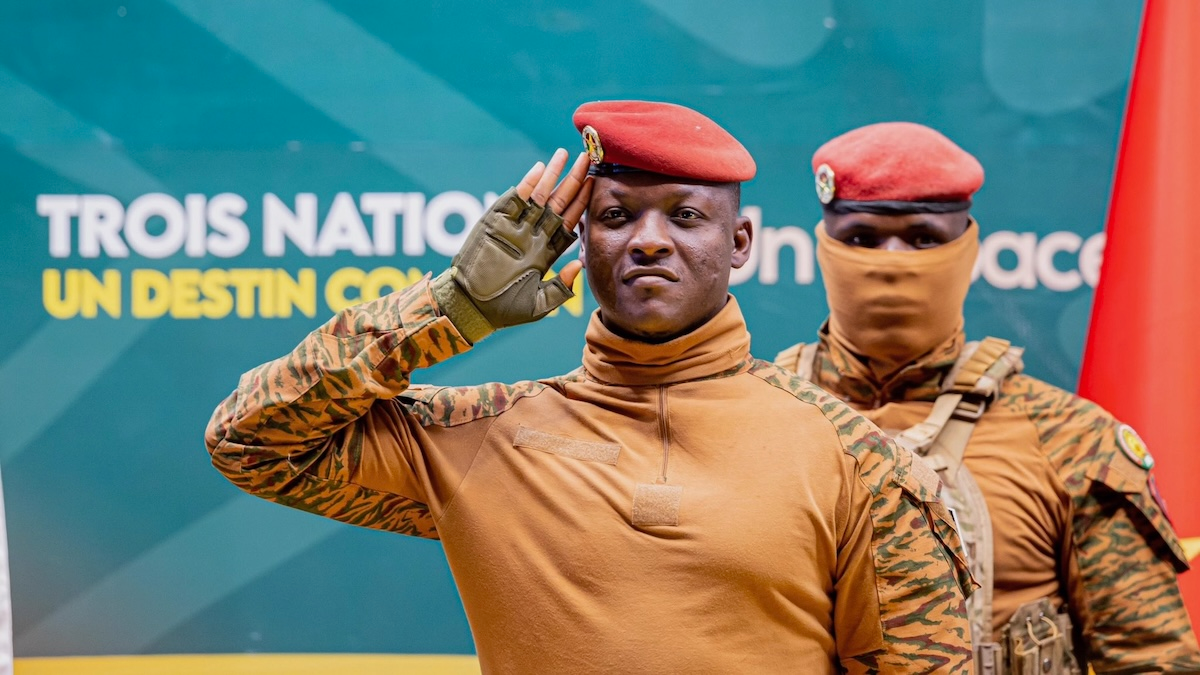
Even within Burkina Faso, public opinion appears complex. Some citizens praise Traoré’s nationalist rhetoric and his focus on reclaiming territory from insurgent groups. Others quietly question whether the country’s democratic institutions are slowly being replaced by permanent military rule.
The debate is not unique to Burkina Faso. Across the Sahel, countries struggling with insurgency and political instability are facing a similar dilemma: how to balance security, sovereignty, and democracy in times of crisis.
The real question may not simply be whether Burkina Faso is currently a dictatorship. Instead, the more important issue is what comes next. Will the military government eventually transition back to civilian leadership, or will the current system become the new normal?
Three years into military rule, that answer remains uncertain—and it is a question both Burkina Faso and the wider African continent will be watching closely.
—Matt Gwinta, B1Daily

 B1Daily
Leave a comment