
—Kerry Hill, B1Daily
Across Illinois and the nation, far too many families—especially Black families—are losing homes, farmland, and generational property because of systemic gaps in property law that allow fraud, predatory practices, tax liens, and forced sales to strip wealth that should have been passed down from one generation to the next. That’s the urgent concern raised by U.S. Senate candidate Pamela Denise Long, who is calling for sweeping reforms to protect family property and preserve intergenerational wealth for those most at risk.
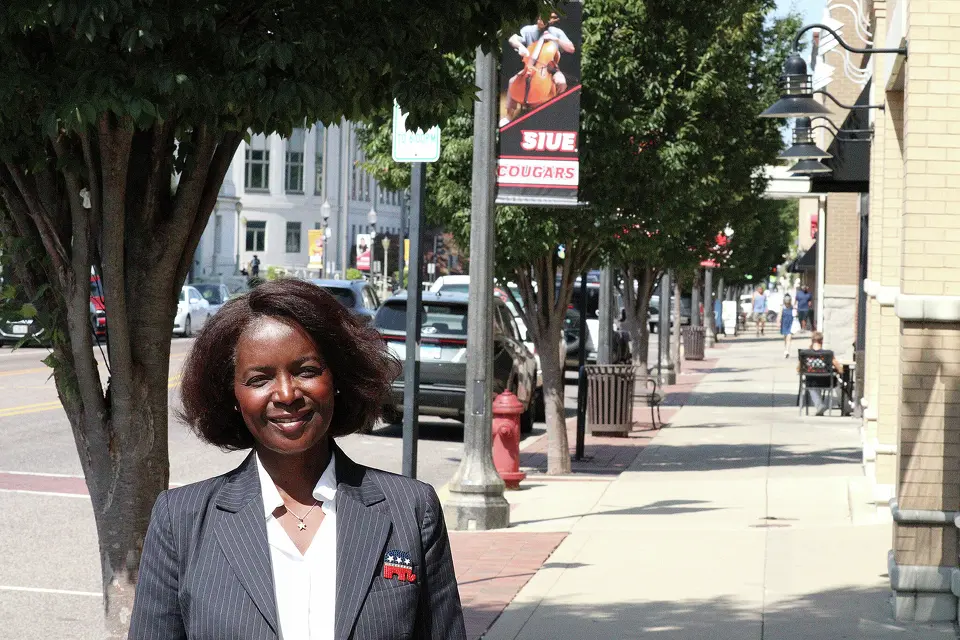
Long’s concern is rooted in a reality many Black families know all too well: land that has been in the family for decades can be lost simply because of an unclear title, a missed notice, or a loophole that allows third parties to exploit weak protections. In predominantly Black neighborhoods, heirs property—land passed down without a formal will or clear title—is especially vulnerable to legal attacks, forced partition sales, and predatory speculators who use good-faith technicalities to claim ownership.
To address this, Long has outlined an ambitious plan she calls the Heirs Property Protection Act and the Family Land & Home Equity Protection Act, which she pledges to introduce within 30 days of taking office. These proposals aim to close the loopholes that allow family-held land to be fractured or lost through legal and financial manipulation. Key elements of her plan include:
- Stronger safeguards against forced below‑market sales of family property.
- Fair‑market valuation and right‑of‑first‑refusal protections so families have the first opportunity to buy back property before it is sold to speculators.
- Expanded access to affordable legal services, title resolution, and mediation to help heirs sort out titles that have become clouded or contested by fraudulent claims.
- Equity‑preservation standards tied to federal and state systems that would foster property retention rather than liquidation.
Long’s proposals address what many advocates see as a longstanding structural problem rooted in America’s history of discriminatory housing practices, redlining, and exclusionary covenants that have weakened Black landownership over generations. The blueprint for change she offers emphasizes that property rights are fundamental to economic freedom and that losing land is not just a financial blow but a loss of legacy—whether it’s a home on a South Side block or a family farm in rural Illinois.
Critically, Long’s plan also calls on policymakers to align federal incentives with state-level reforms, encouraging cooperation rather than leaving families to navigate a confusing patchwork of laws alone. For many advocates, this aligns with broader efforts across the country to rethink how tax lien sales, partition actions, and equity stripping disproportionately affect Black and lower-income homeowners, contributing to long-term racial wealth disparities.
At its core, Long’s platform is about protecting what families have earned, preserving generational wealth, and preventing avoidable displacement. It’s a response not only to technical legal gaps but also to a history of policies and practices that have chipped away at Black land ownership for more than a century.
For Long, the urgency is personal and political. Her family’s own long‑held land in Illinois and Mississippi informs her conviction that safeguarding property isn’t just a political talking point—it’s a way to restore dignity, stability, and economic opportunity to communities that have been historically underserved and exploited.
With these reforms, Long argues, Illinois could become a model for nationwide change, demonstrating that thoughtful policy can stop preventable loss and protect the foundations of family wealth for generations to come.
—Kerry Hill, B1Daily



 B1Daily
Leave a comment