—Sylvester Loving, B1Daily
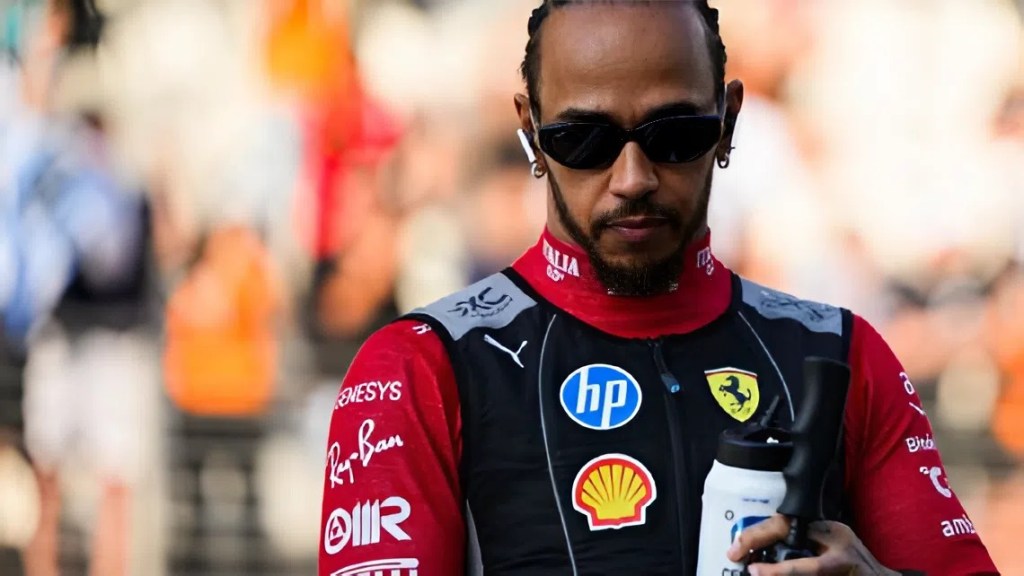
Seven-time Formula One champion Lewis Hamilton recently sparked global discussion after calling on African nations to unite and reclaim control over their continent. Speaking ahead of the Formula 1 season, Hamilton argued that Africa’s immense resources and potential have historically been controlled or heavily influenced by outside powers, particularly former European colonial states.

Hamilton, who races for Scuderia Ferrari and is widely known as the first Black driver in modern Formula One, said he believes Africa has the capacity to become one of the most powerful regions in the world. However, he suggested that lingering economic and political influence from former colonial nations has prevented the continent from fully controlling its own wealth and development.
“I’ve got roots from a few different places there, like Togo and Benin. I’m really proud of that part of the world.
“I think it is the most beautiful part of the world, and I don’t like that the rest of the world owns so much of it and takes so much from it and no one speaks about it. I’m really hoping that the people that are running those different countries all unite and come together and take Africa back.
“That’s what I want to see. Take it back from the French, take it back from the Spanish, take it back from the Portuguese and the British. It’s so important for the future of that continent. They have all the resources to be the greatest and most powerful place in the world, and that’s probably why they are being controlled the way they are.”
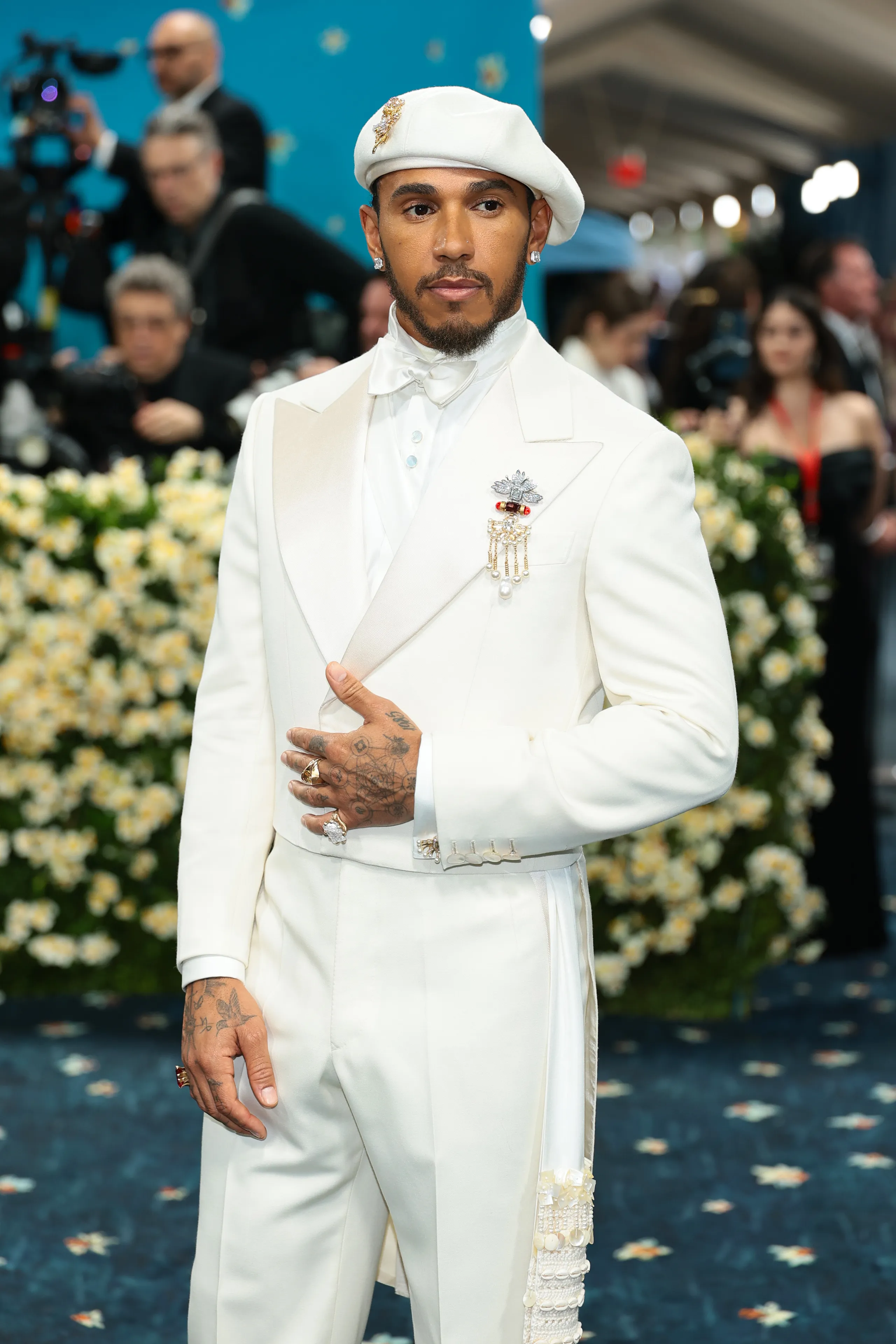
The British racing star, whose ancestry traces back to West African nations such as Benin and Togo, explained that his connection to the continent shaped his views. He said he is proud of his African heritage and believes African leaders should work together to strengthen sovereignty and economic independence.
One of Hamilton’s key motivations for speaking out is his long-standing campaign to bring a Formula One race back to Africa. The continent has not hosted a Grand Prix since the early 1990s, when races were held in South Africa. Hamilton has spent years encouraging Formula One leadership to reintroduce the sport to Africa before he retires.
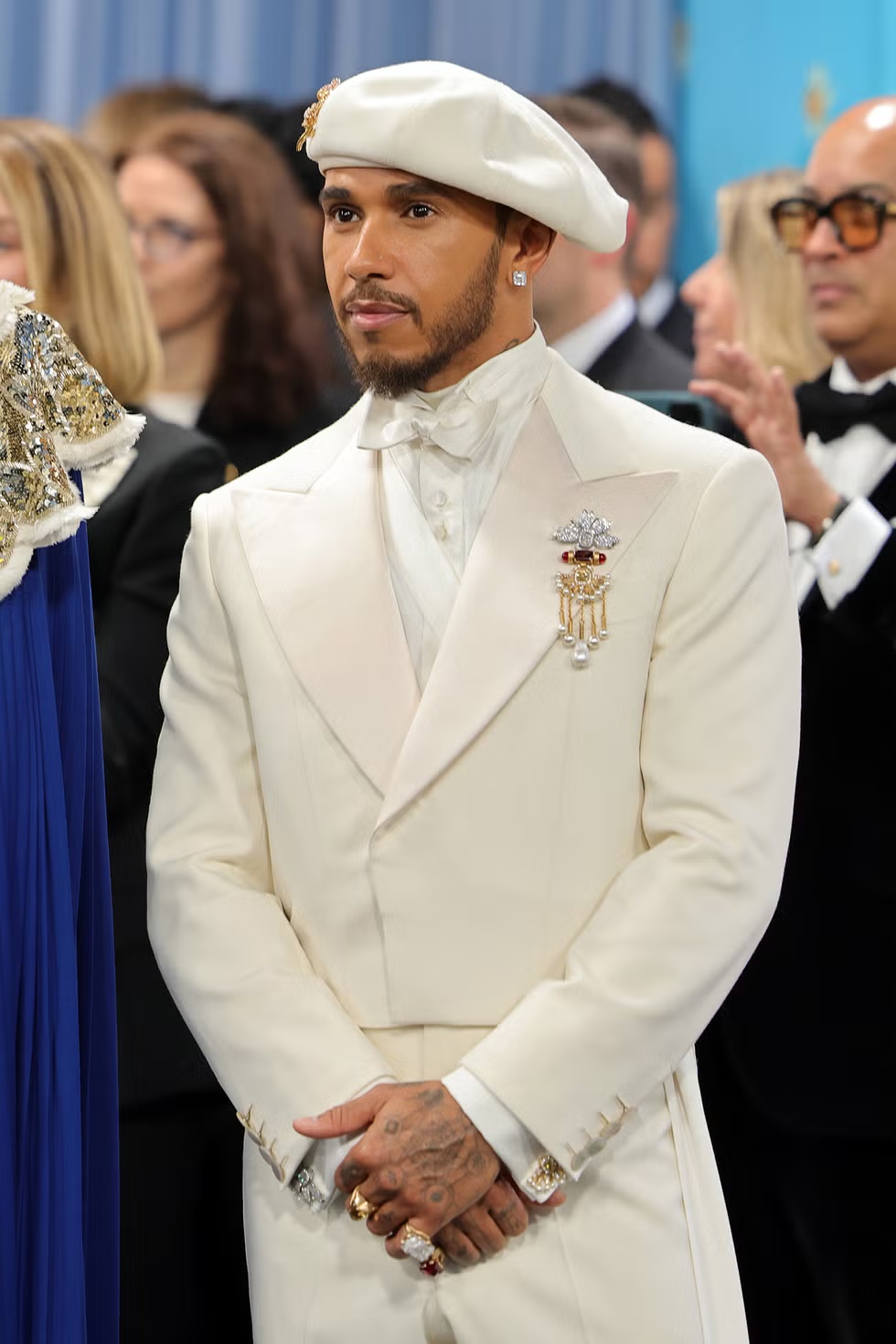
“For the past six years, maybe seven, I’ve been fighting in the background to get a grand prix … sitting with stakeholders and asking the question, ‘Why are we not in Africa?’” he said.
“I don’t want to leave the sport without having a grand prix there, without getting to race there, so I’m chasing them. They’re setting certain dates; I’m like, ‘Damn, I could be running out of time,’ so I’m going to be here for a while until that happens. That would be amazing, given that I’m half African.
“There’s one on every other continent, why not Africa? I know they’re really trying.”
Having travelled extensively on the continent, Hamilton put forward his own ideas for potential host nations, adding: “I think they’ve been to quite a few different countries. I loved Kenya — I don’t think we’re going to have a grand prix in Kenya — but Rwanda particularly was spectacular. South Africa is stunning.
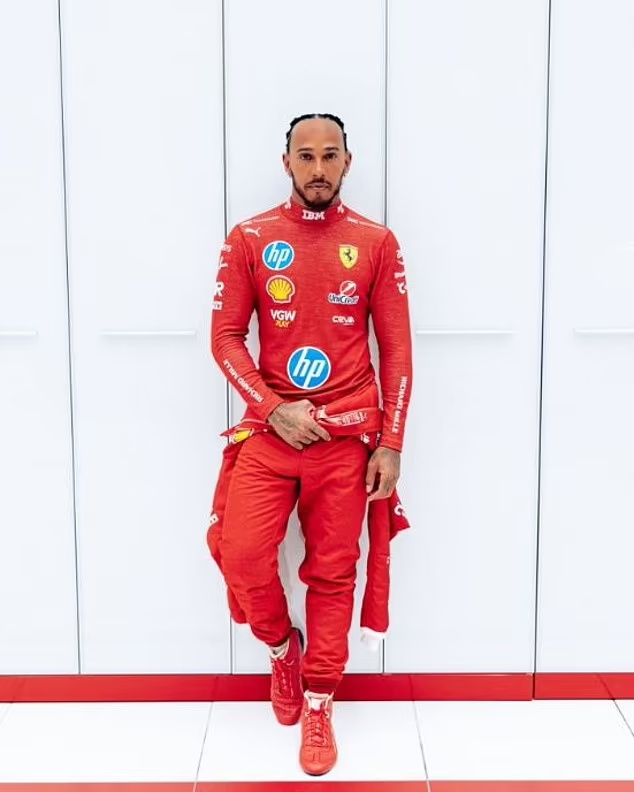
“I think those are the ones I think would be good places for us to potentially go to.”
For Hamilton, the absence of an African race reflects a broader issue of global neglect. He has argued that the continent is rich in resources, culture, and opportunity, yet often excluded from major global industries and events. By advocating for an African Grand Prix, Hamilton hopes not only to expand the sport but also to highlight the continent’s potential and global importance.
He has also pointed to countries like Rwanda and South Africa as possible hosts for a future race, saying that an event there could bring tourism, investment, and international attention to the region.
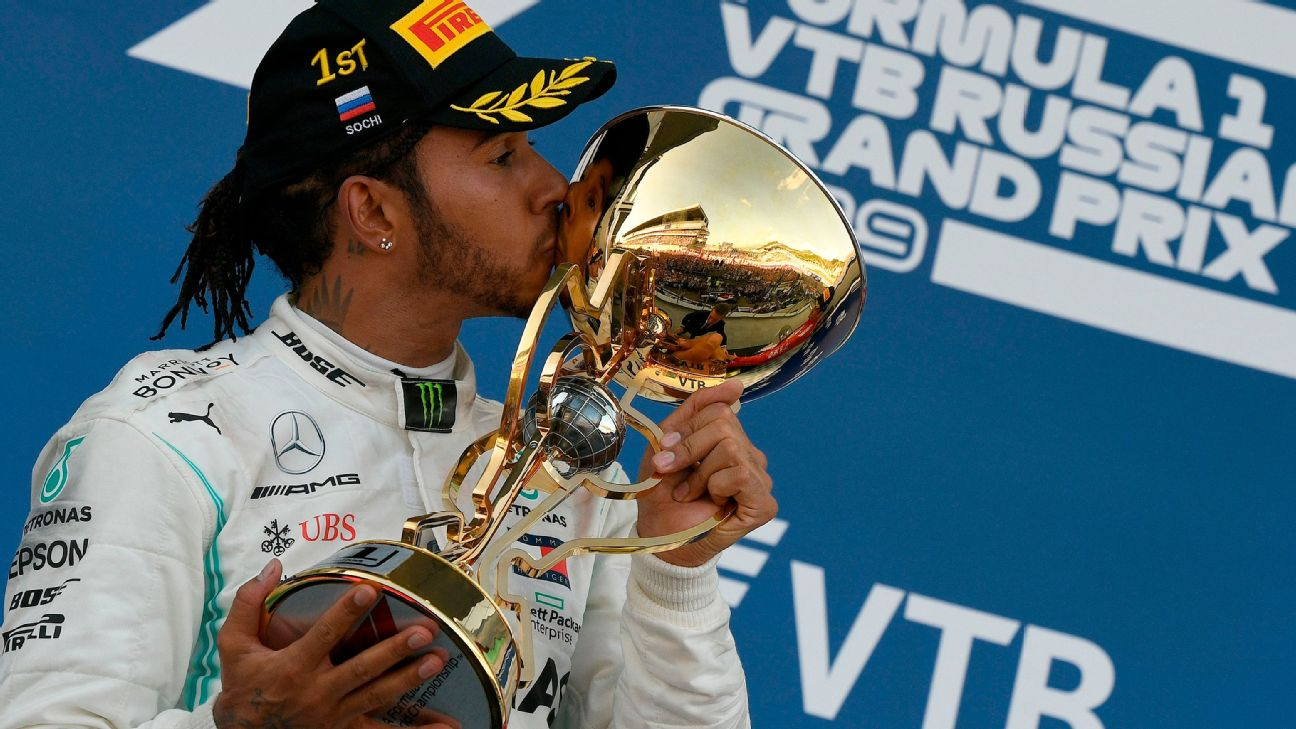
Ultimately, Hamilton’s message goes beyond motorsport. His comments reflect a broader call for African unity, self-determination, and economic empowerment. In his view, if African nations work together and assert greater control over their resources and policies, the continent could transform into a global powerhouse.
For Hamilton, the future of Africa depends not only on outside investment or global recognition—but on the willingness of its leaders and people to stand up, unite, and shape their own destiny.
—Sylvester Loving, B1Daily


 B1Daily
Leave a comment