—Barrington Williams, B1Daily
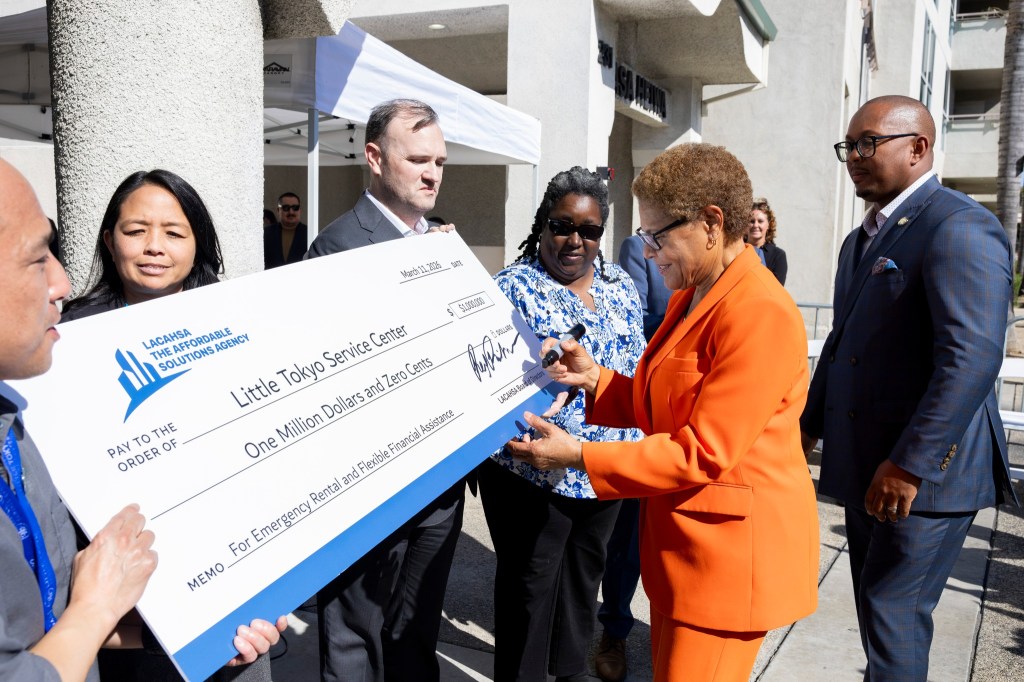
Karen Bass, the mayor of Los Angeles, is facing criticism after a homelessness-prevention initiative directed roughly $1 million toward programs serving Asian American and Pacific Islander communities, raising questions among some activists about whether comparable targeted investments are being made for Black residents in the city.
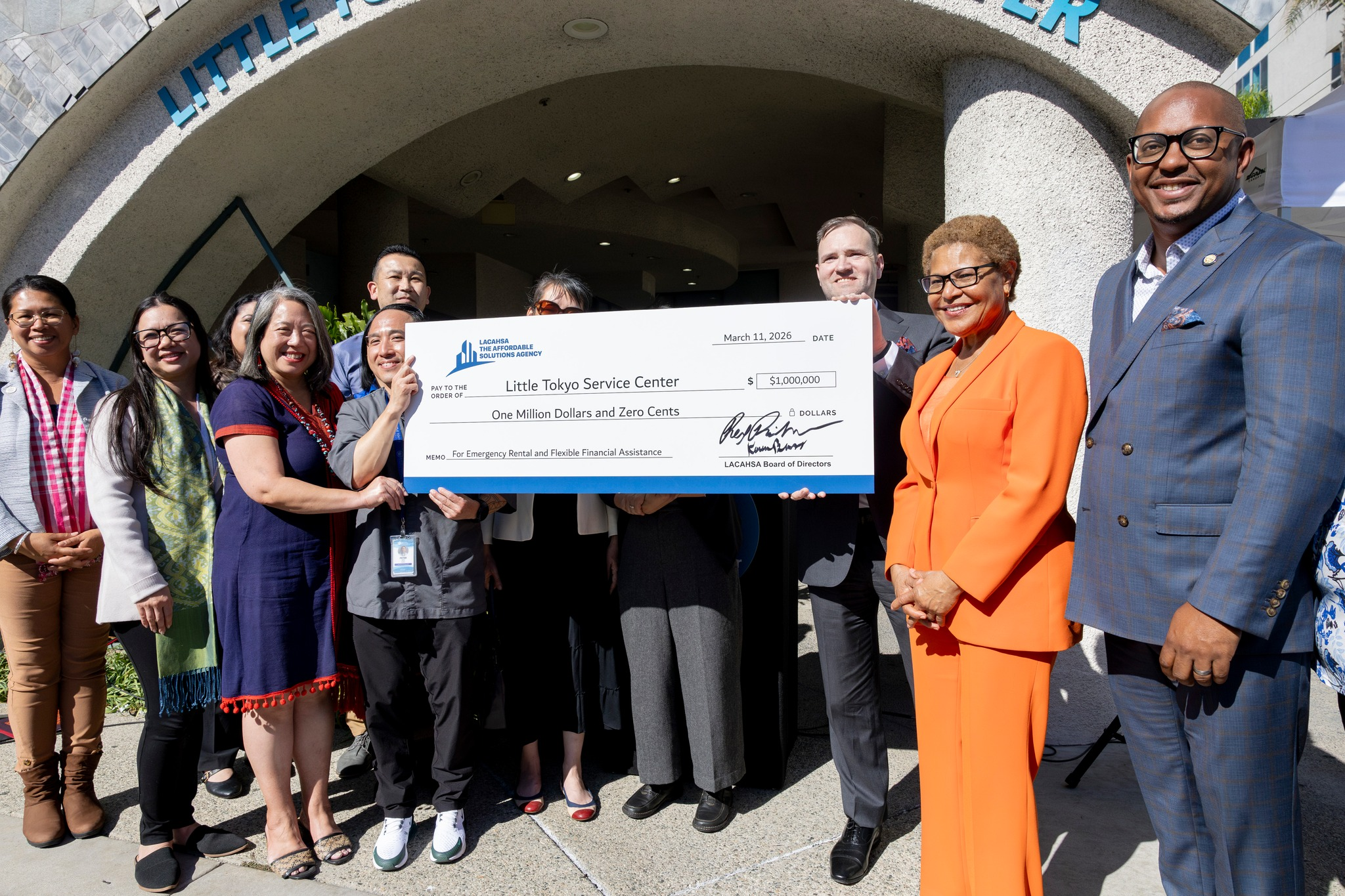
The funding was awarded to organizations working within Asian American, Native Hawaiian, and Pacific Islander communities to provide rental assistance, housing stabilization support, and legal services intended to prevent families from falling into homelessness. Supporters of the program say the funding helps address language barriers and other challenges that can make it difficult for some immigrant communities to access housing assistance programs.
City leaders have argued that culturally specific outreach programs can improve the effectiveness of homelessness prevention by ensuring that vulnerable residents understand and can access the resources available to them.
However, critics say the funding allocation highlights broader concerns about how public resources are distributed across Los Angeles’ diverse population. Some community advocates argue that Black residents—who have historically experienced some of the highest rates of homelessness in the city—have not seen comparable targeted investments despite long-standing disparities in housing stability and wealth.
Homelessness has been one of the most pressing challenges facing Los Angeles. Since taking office, Mayor Karen Bass has launched several initiatives aimed at reducing encampments and expanding temporary housing programs. While these efforts are intended to address homelessness across the city as a whole, critics say they do not specifically confront the historic economic disadvantages that have contributed to higher homelessness rates among Black Americans.
Some activists argue that addressing the crisis requires targeted investments in communities that have faced decades of housing discrimination, redlining, and economic marginalization. Without that focus, they say, broader homelessness programs risk overlooking the communities most affected by the crisis.
In more critical political commentary, opponents frame the controversy as part of what they describe as a “sellout class” of politicians—leaders who they believe prioritize coalition politics or other demographic groups while failing to advance policies that directly benefit Black American citizens.
These critics argue that elected officials who rely heavily on Black voter support have a responsibility to ensure that Black communities receive meaningful economic investment, particularly in areas such as housing, employment, and community development.
Supporters of Mayor Bass respond that homelessness policies are designed to serve all residents regardless of race and that targeted programs for specific communities are meant to address particular barriers to accessing assistance.
The debate highlights a broader conversation about representation, equity, and political accountability in major American cities. As Los Angeles continues to confront its housing crisis, questions about how public funds are distributed—and who benefits most from government programs—are likely to remain at the center of local political debate.
—Barrington Williams, B1Daily




 B1Daily
Leave a comment