
—Marcus Davis, B1Daily
Temporary Protected Status (TPS) was designed as exactly what its name implies: a temporary humanitarian measure. Established by the U.S. government and administered by the U.S. Department of Homeland Security, the program allows nationals of countries facing severe crises—natural disasters, armed conflict, or extraordinary instability—to live and work legally in the United States until conditions improve.
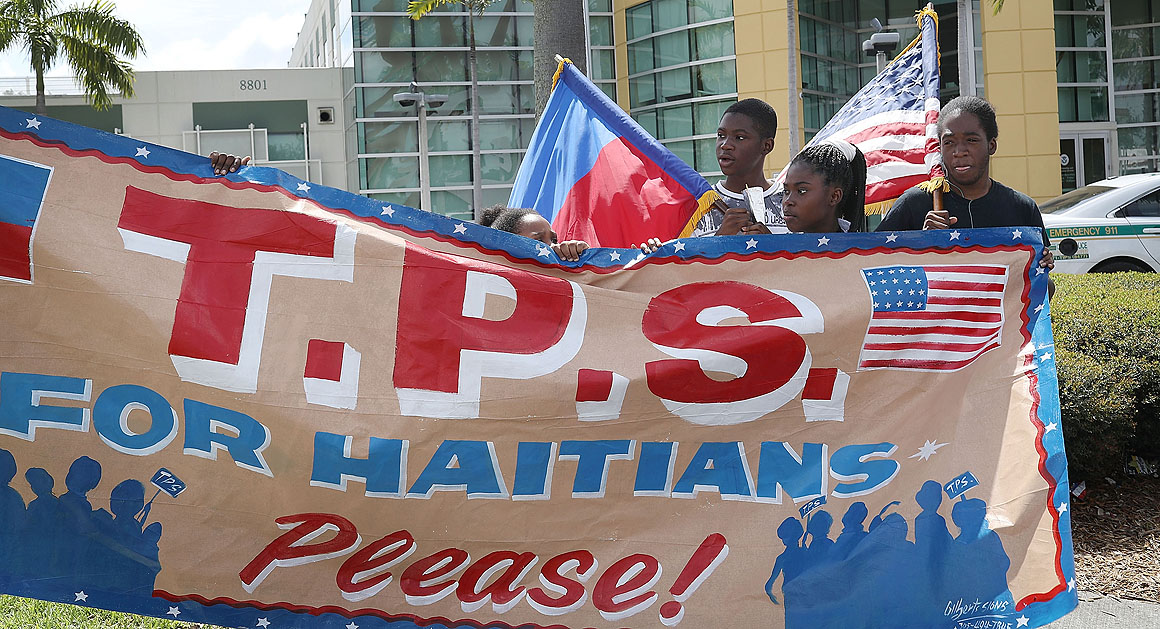
For Haitian nationals, TPS has been extended repeatedly since the devastating 2010 earthquake in Haiti. While the original humanitarian impulse behind the program was understandable, the continued renewal of TPS more than a decade later raises an important policy question: when does “temporary” stop being temporary?
Supporters of ending or significantly reforming TPS for Haitians argue that the program has drifted far from its original purpose. What began as a short-term humanitarian response has effectively evolved into a long-term immigration status for tens of thousands of people. Critics say this undermines the credibility of immigration law by transforming an emergency program into a semi-permanent residency pathway without congressional authorization.
Another argument focuses on policy consistency. The United States maintains numerous legal immigration channels—from employment-based visas to family reunification programs—yet TPS exists outside those traditional frameworks. When the program is extended repeatedly, it can create the perception that humanitarian protections are being used as a workaround to avoid broader immigration reforms that should instead be addressed directly by Congress.
Some analysts also argue that indefinite TPS extensions may unintentionally discourage long-term solutions for countries experiencing crises. If a program designed for short-term relief becomes permanent, it can reduce the urgency for international institutions and governments to address the underlying political and economic problems that caused the crisis in the first place.
There is also a domestic policy dimension. Immigration policy inevitably intersects with debates about labor markets, housing availability, and public services. Critics of prolonged TPS extensions argue that temporary programs should not become permanent fixtures without a broader national conversation about immigration levels, workforce needs, and integration policies.
At the same time, even many who support ending or scaling back TPS emphasize that the issue should be handled responsibly. People who have lived in the United States for years under legal protection have built families, careers, and communities. A sudden termination without transition plans could create serious humanitarian and economic disruptions. For that reason, some policy experts propose phased reforms—either transitioning long-term TPS holders into existing immigration categories or gradually winding down the program while providing clear timelines.
Ultimately, the debate over Haitian TPS highlights a broader challenge in American immigration policy: balancing humanitarian compassion with legal clarity and policy consistency. If TPS is to remain credible as an emergency measure, policymakers may need to reaffirm its temporary nature while also creating more transparent and durable solutions for those who have lived under the program for many years.
The discussion is not simply about one nationality or one crisis. It is about how the United States defines the boundary between humanitarian relief and long-term immigration policy—and whether programs designed for emergencies should evolve into permanent systems without legislative debate.
—Marcus Davis, B1Daily


 B1Daily
Leave a comment