
—Michale Lyles, B1Daily
Across the African continent, wealth inequality continues to widen even as the number of millionaires steadily grows. While the rise of affluent business elites in countries like Nigeria, South Africa, Kenya, and Ghana reflects expanding economic sectors and global investment, critics argue that this wealth boom has failed to produce meaningful improvements for the majority of Africans living in poverty.
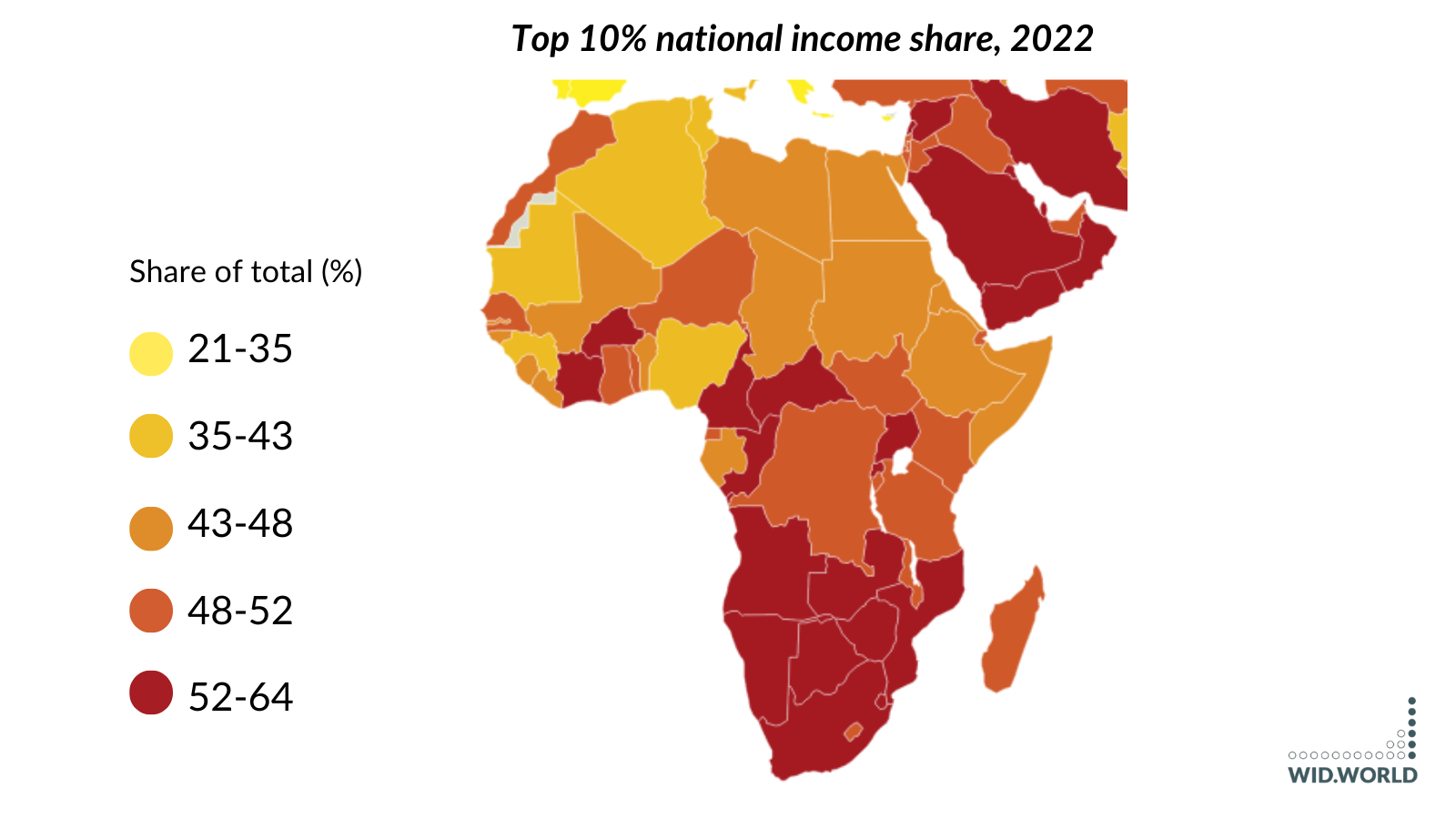
Over the past two decades, Africa has produced thousands of high-net-worth individuals through industries such as banking, telecommunications, oil, mining, and real estate. Billionaires and millionaires have become symbols of a rapidly modernizing continent. Yet the prosperity of these elites exists alongside persistent challenges: underfunded schools, limited healthcare access, infrastructure deficits, and high unemployment across large parts of the continent.
Many economists argue that Africa’s wealthy class has not yet developed the strong culture of large-scale philanthropic investment seen in some other regions. While there are notable exceptions—such as charitable foundations, scholarships, and development programs—the overall scale of elite reinvestment into public welfare remains relatively small compared to the continent’s vast needs.
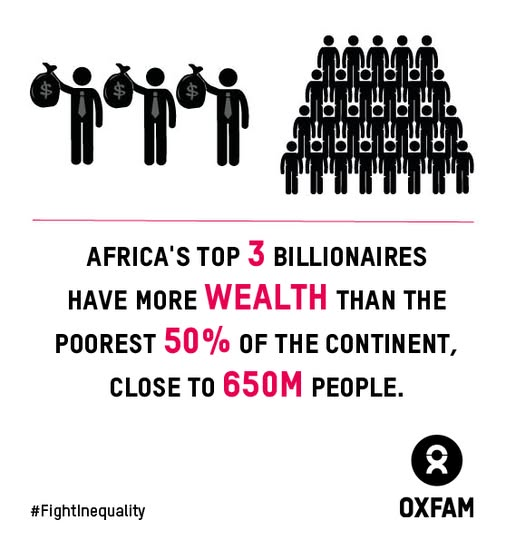
Critics say that in many African economies, wealth accumulation has been concentrated in sectors that do not necessarily generate broad employment or economic mobility. Resource extraction industries, financial services, and property speculation often produce immense personal fortunes but relatively limited widespread job creation. As a result, the benefits of economic growth may remain concentrated among small urban elites.
Another issue frequently raised is capital flight. Large amounts of wealth generated in Africa are sometimes invested abroad rather than reinvested domestically. Luxury real estate purchases in Europe, North America, and the Middle East are common among wealthy African elites. While such investments are not unusual for global high-net-worth individuals, critics argue that when capital leaves developing economies, it deprives those nations of funds that could otherwise support infrastructure, technology, and industry.
At the same time, Africa’s millionaires often operate within challenging political and economic environments. Corruption, weak institutions, unstable regulatory frameworks, and unreliable infrastructure can discourage large-scale domestic investment. Some wealthy individuals argue that structural government failures—not the absence of elite philanthropy—are the primary drivers of persistent poverty.
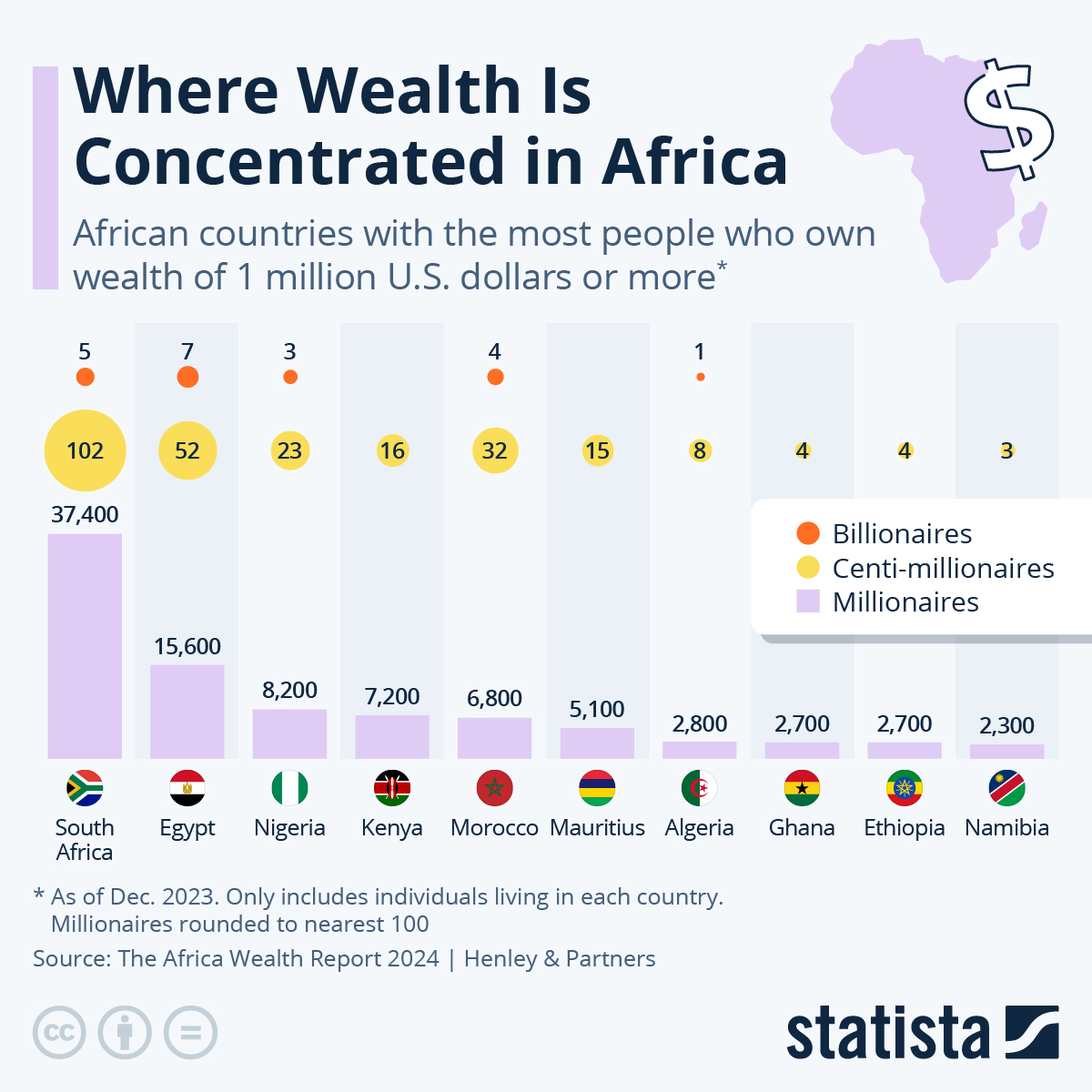
However, social critics increasingly question whether Africa’s wealthy class has done enough to use its influence to address those systemic problems. Wealth brings not only financial power but also political influence and public visibility. Many believe that Africa’s elites could play a far greater role in advocating for transparency, investing in industrial development, and funding long-term education initiatives that strengthen national economies.
The debate ultimately raises a deeper question about the social responsibility of wealth in developing societies. In countries where millions struggle to meet basic needs, the presence of extraordinary wealth inevitably invites scrutiny.
For Africa to fully realize its economic potential, many analysts argue that its growing class of millionaires must become more than symbols of success. They must become active partners in building stronger economies, investing in human capital, and supporting institutions that uplift entire populations rather than just small circles of privilege.
Until that shift occurs, the contrast between luxury wealth and widespread poverty will continue to shape the conversation about inequality across the African continent.
—Michale Lyles, B1Daily



 B1Daily
Leave a comment