—Terrence Dorner, B1Daily
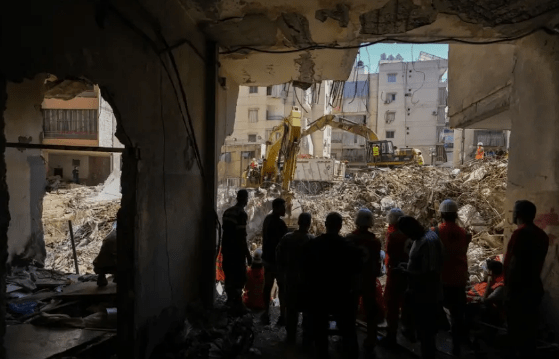
A wave of Israeli airstrikes across Lebanon has left more than 700 people dead and displaced hundreds of thousands, marking one of the deadliest escalations in the country in years. The bombardment has intensified fears of a broader regional conflict as tensions continue to rise between Israel and Hezbollah.
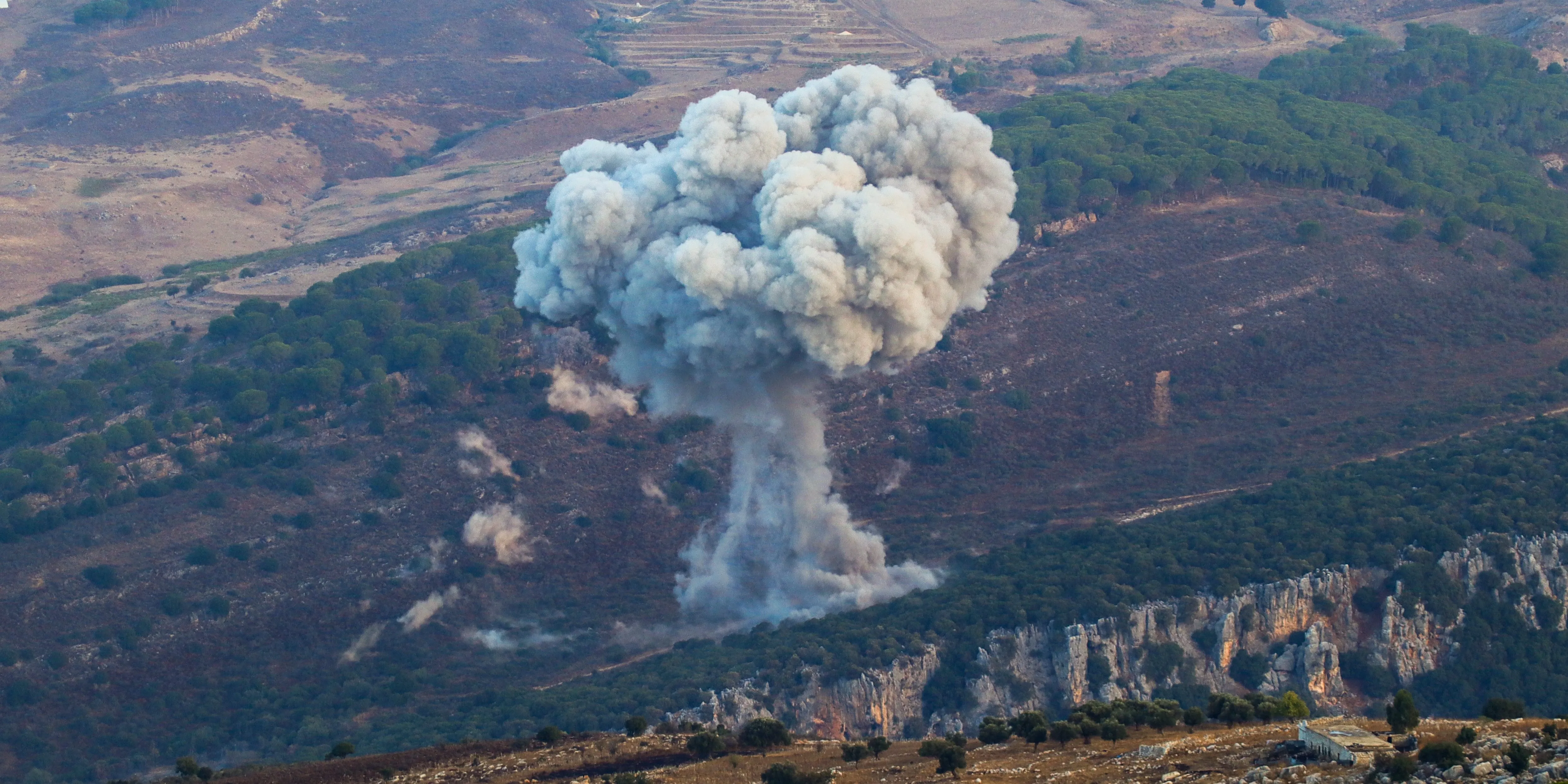
According to reports from Lebanese authorities and international observers, Israeli strikes have intensified across southern Lebanon and parts of the capital, Beirut. The attacks have killed hundreds of civilians, including children, while forcing large numbers of residents to flee their homes.
Entire neighborhoods have been devastated as airstrikes hit residential areas, infrastructure, and towns across southern regions of the country. In several communities, families reported fleeing overnight as bombs struck nearby buildings and roads, leaving towns partially deserted and creating a rapidly expanding humanitarian crisis.
Health officials and humanitarian groups warn that the death toll may continue to rise as rescue crews search damaged buildings and medical facilities struggle to cope with the growing number of casualties. Reports indicate that some strikes have also damaged healthcare facilities and emergency response infrastructure, complicating rescue efforts and medical treatment for the injured.
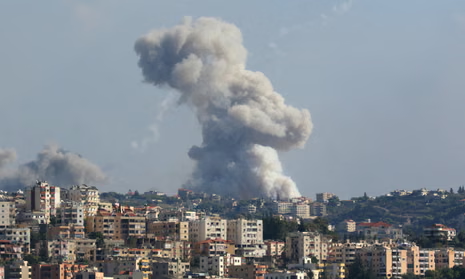
The escalation is tied to a broader confrontation between Israel and the Lebanese militant group Hezbollah. Hostilities increased after cross-border attacks and retaliatory strikes intensified, triggering a large-scale Israeli bombing campaign aimed at what officials describe as Hezbollah positions and military infrastructure.
However, the scale of the Israeli air campaign has drawn criticism from humanitarian organizations and international observers who say the strikes are causing widespread civilian casualties and displacement. Large numbers of residents from southern Lebanon have fled their homes, with many seeking safety in northern areas of the country or temporary shelters.
The government of Lebanon has struggled to manage the crisis while attempting to avoid deeper internal instability. Officials fear that direct involvement by the Lebanese military could spark political divisions within the country or escalate the conflict into a broader war.
Lebanon’s fragile political and economic situation has already been under severe pressure for years. Economic collapse, political gridlock, and infrastructure challenges have weakened the state’s ability to respond to large-scale crises. The current bombardment threatens to worsen those problems dramatically, pushing the country closer to a humanitarian emergency.
Meanwhile, the conflict shows few signs of slowing. Israeli leaders have signaled that military operations could continue as long as attacks from Hezbollah persist. At the same time, rising tensions across the Middle East have fueled concerns that the fighting could expand beyond the Israel-Lebanon border.
For civilians caught in the middle of the conflict, the immediate concern is survival. As airstrikes continue and displacement rises, families across Lebanon face an uncertain future while the region braces for the possibility of further escalation.
—Terrence Dorner, B1Daily


 B1Daily
Leave a comment