—Travis Luyindama, B1Daily
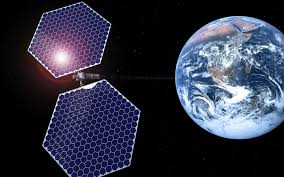
China is pushing the boundaries of renewable energy with an ambitious plan that could redefine how the world generates electricity. Often described as the “Manhattan Project of energy,” the initiative centers on building a massive 1-kilometer-wide solar array in space—an unprecedented attempt to harness the sun’s power on a global scale.
Unlike traditional solar farms on Earth, this project would operate in orbit above the planet. From this vantage point, the solar array would collect sunlight continuously, unaffected by weather, atmospheric interference, or the day-night cycle. This gives it a major efficiency advantage over ground-based systems.
A Leap Beyond Earth-Based Solar Power
One of the most striking aspects of the project is its potential output. Estimates suggest that a space-based solar array could be far more efficient than conventional solar panels on Earth due to constant exposure to sunlight.
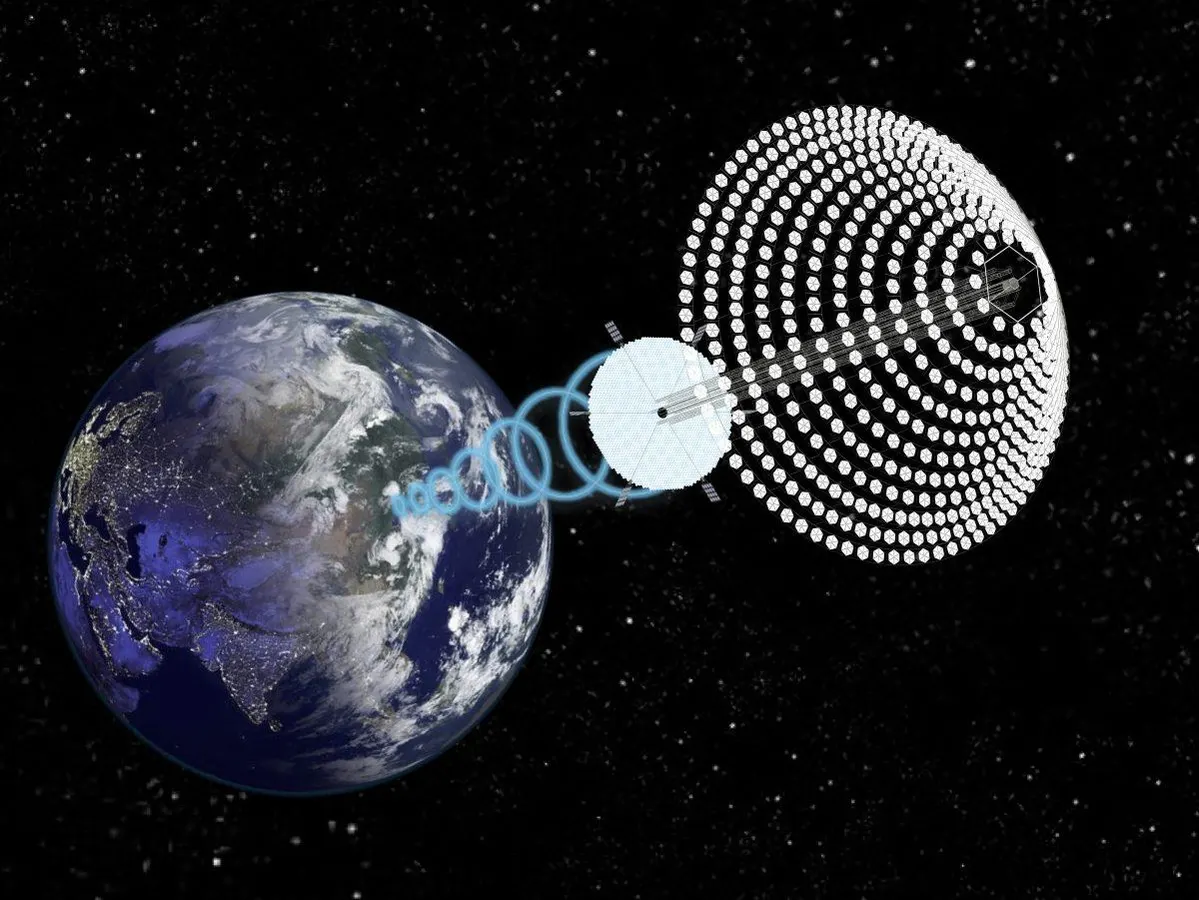
Even more significantly, projections indicate the system could generate an enormous amount of energy over time—potentially rivaling or exceeding the energy output derived from traditional fossil fuel sources. If realized, this would mark a major shift in how energy is produced and distributed globally.
The energy collected in space would be converted into microwaves or similar transmissible forms and beamed down to Earth, where receiving stations would convert it into usable electricity.
Why Space-Based Solar Matters
Traditional renewable energy systems face limitations. Solar panels only generate power during daylight hours, and their efficiency is reduced by clouds and atmospheric conditions. Wind energy depends on weather patterns. Both also require large areas of land.
Space-based solar power eliminates many of these constraints.
In orbit, solar collectors can operate nearly 24 hours a day, capturing uninterrupted sunlight. This creates the possibility of constant, reliable clean energy—something that has long been a challenge for renewable systems.
The environmental implications could be transformative:
- Reduced dependence on fossil fuels
- Lower global greenhouse gas emissions
- Consistent energy supply regardless of weather
- Reduced need for large-scale land use for solar farms
Engineering Challenges Ahead
Despite its promise, the project faces major technical and logistical challenges. Constructing a 1km-wide solar array in space would require advanced launch systems capable of transporting large amounts of material into orbit.
The structure would likely need to be assembled in space, requiring new innovations in robotics, engineering, and orbital construction. Additionally, safely transmitting energy from space to Earth presents its own set of challenges, including minimizing energy loss and ensuring safe, reliable delivery systems.
A Global Energy Turning Point?
If successful, China’s space solar project could mark a turning point in global energy production. It represents a shift from relying on Earth-bound energy systems to tapping into the virtually limitless power of the sun in space.
The comparison to the “Manhattan Project” reflects both the scale and potential impact of the initiative. Just as past technological breakthroughs reshaped global power structures, this project could redefine the future of energy, economics, and environmental sustainability.
As development continues, the world is watching closely. If China succeeds, space-based solar power may move from concept to reality—ushering in a new era of continuous, large-scale clean energy.
—Travis Luyindama, B1Daily



 B1Daily
Leave a comment