—Gus Aylen, B1Daily
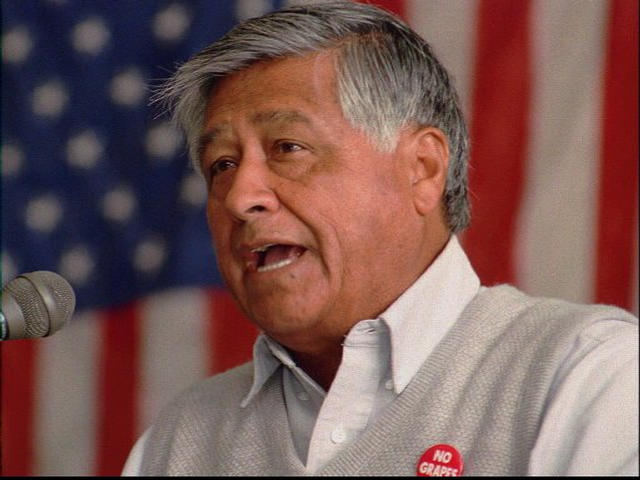
The name Cesar Chavez used to evoke reverence. The farmworker turned labor leader, the face of Latino empowerment, a symbol of resistance against exploitation. But beneath the hagiography lies a darker narrative, one that many in the Latino community have been reluctant to confront: allegations of sexual misconduct against Chavez, and broader cultural patterns that enable the grooming and hypersexualization of young girls.
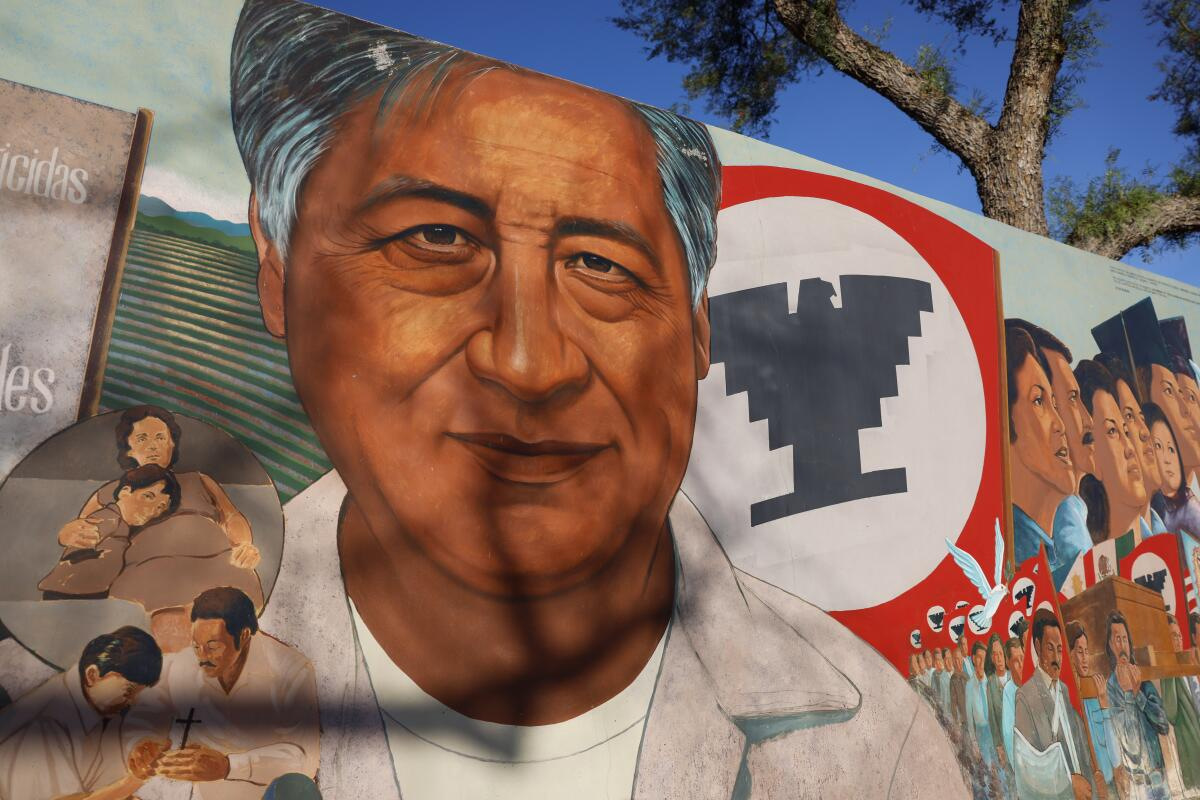
In the early 1990s, whispers surfaced from within the United Farm Workers (UFW), the organization Chavez co-founded. Former female staffers spoke of unwanted advances, coercion, and a culture of silence. One woman, Dolores Huerta, Chavez’s longtime ally, later acknowledged hearing complaints but admitted they were often dismissed as “distractions” from the movement. The UFW’s insular, patriarchal structure shielded Chavez from accountability, framing any criticism as betrayal.
This dynamic isn’t unique to Chavez. Latino communities, particularly in traditionalist households, often grapple with conflicting attitudes toward female sexuality. On one hand, girls are policed under the guise of respeto (respect) and familismo (family honor). On the other, they’re subjected to early sexualization, catcalled as mami at 12, told their curves are “too dangerous” for modest clothes, or thrust into quinceañeras that emphasize their transition from “girl” to “woman” in uncomfortably performative ways. The piropos (flirtatious street remarks) normalized in some Latino neighborhoods blur into harassment, while machismo discourages victims from speaking out.
Chavez’s alleged behavior reflects this duality: a man who fought for justice yet allegedly perpetuated exploitation behind closed doors. His defenders argue that focusing on these accusations undermines his achievements, but true progress demands honesty. The same culture that venerates abuelos and padres must also reckon with the fact that icons, like all people, are capable of harm.
The solution isn’t to discard Chavez’s legacy but to complicate it, to acknowledge that heroism and wrongdoing can coexist. And for Latino communities, it means confronting the uncomfortable truth: protecting girls requires more than consejos (advice) about modesty. It demands dismantling the systems that excuse predators in the name of tradition.
—Gus Aylen, B1Daily


 B1Daily
Leave a comment