—Matt Gwinta, B1Daily
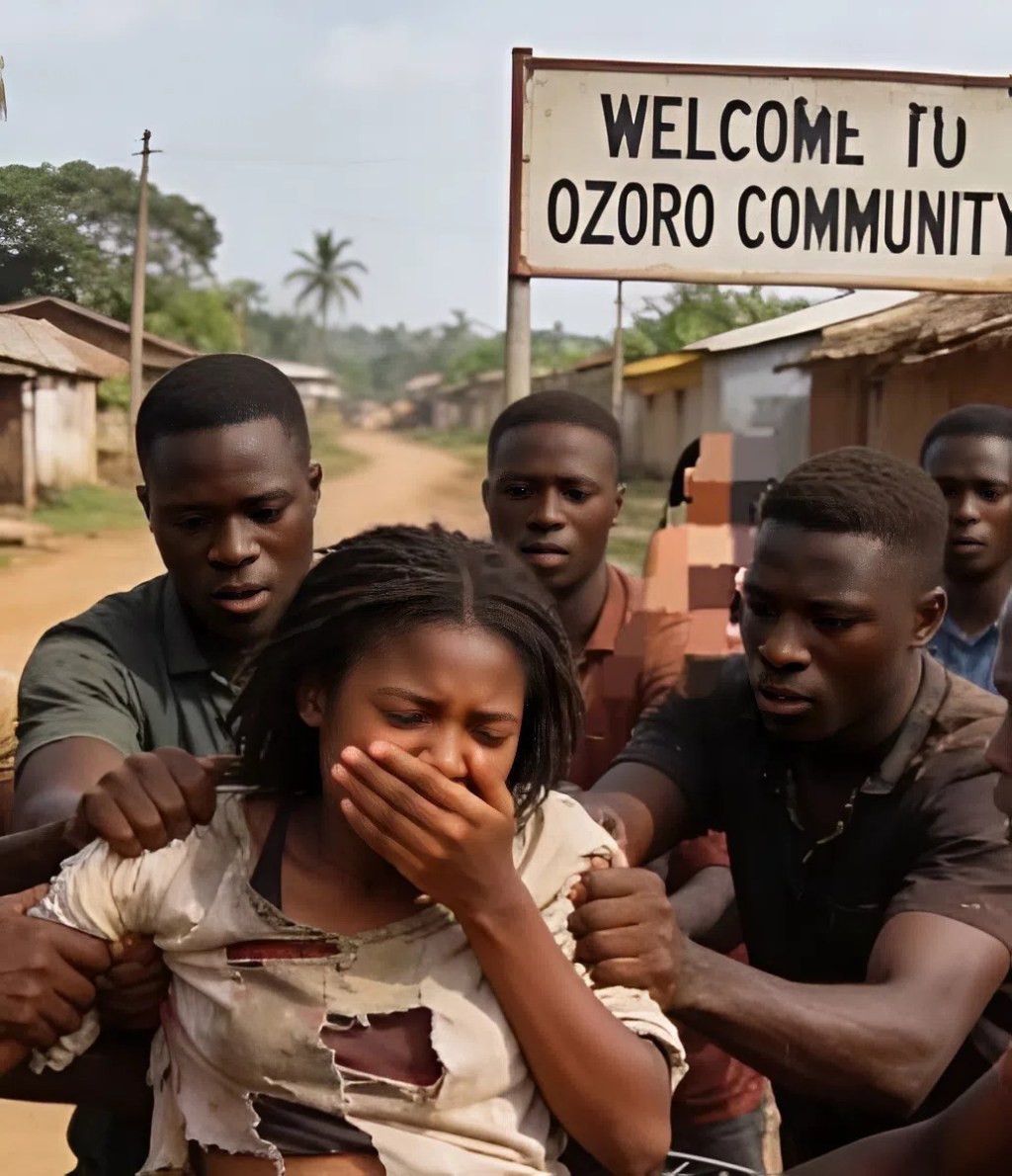
The Ozoro Delta in Nigeria is home to one of the most harrowing and lesser-known cultural practices in the world, the so-called “rape festival.” This annual event, shrouded in secrecy and justified under the guise of tradition, exposes a deep-rooted culture of systemic violence against women in certain African communities. While Africa is a vast continent with diverse cultures, the persistence of such brutal customs highlights a troubling pattern of gender-based oppression that continues to thrive under the banner of heritage.
The Ozoro Delta Rape Festival: A Nightmare Disguised as Tradition
The festival, which takes place in the Ozoro community of Delta State, involves young men publicly assaulting women as part of a ritualistic celebration. Survivors report being dragged into the streets, stripped, and violated by multiple assailants while onlookers cheer. Shockingly, local authorities often turn a blind eye, dismissing these acts as “cultural rites.” Victims who dare to speak out face ostracization, threats, or even further violence.
This practice is not an isolated incident but rather part of a broader tapestry of misogyny embedded in certain African traditions. From forced child marriages to female genital mutilation (FGM), women across the continent are subjected to atrocities justified by outdated customs. In many cases, resistance is met with accusations of betraying one’s heritage, leaving survivors trapped in cycles of abuse.
The Larger Culture of Abuse: Tradition vs. Human Rights
The rape festival is just one manifestation of a much larger issue, the normalization of violence against women in patriarchal African societies. Many communities still operate under rigid gender hierarchies where women are treated as property, their bodies policed, and their autonomy denied. Bride kidnapping, honor killings, and widow cleansing rituals persist in various forms, all under the protection of cultural relativism.
Even more disturbing is the complicity of women in upholding these systems. Older generations, conditioned by decades of indoctrination, often enforce these practices on younger girls, perpetuating the cycle. The psychological trauma inflicted is immeasurable, leaving survivors with lifelong scars while their perpetrators walk free.
The Fight for Change: Breaking the Silence
Despite the grim reality, grassroots movements led by African feminists are pushing back. Organizations like Women Against Rape and Exploitation (WARE) in Nigeria and pan-African campaigns against gender-based violence are challenging these norms. Social media has also amplified survivors’ voices, forcing global attention onto atrocities long ignored.

But change is slow. Governments often lack the political will to intervene in “cultural matters,” and international human rights groups tread cautiously to avoid accusations of neo-colonialism. Yet, the question remains: When does tradition cross the line into outright criminality?
Traditions Is No Excuse for Brutality
The Ozoro Delta rape festival is not culture, it is torture. No tradition that thrives on the subjugation of women deserves preservation. The time for passive tolerance is over. African societies must reckon with the dark legacy of gender violence, not as outsiders imposing values, but as communities demanding justice for their own.
Until then, the screams of Ozoro’s women will continue to echo, unheard, unheeded, and unanswered.
—Matt Gwinta, B1Daily


 B1Daily
Leave a comment