
—Michael Lyles, B1Daily
For decades, White-owned businesses have dominated the multi-trillion-dollar landscape of U.S. government contracts. From defense to infrastructure, federal, state, and local governments consistently award the lion’s share of contracts to companies with longstanding connections, capital, and influence—networks that have historically excluded Black entrepreneurs.
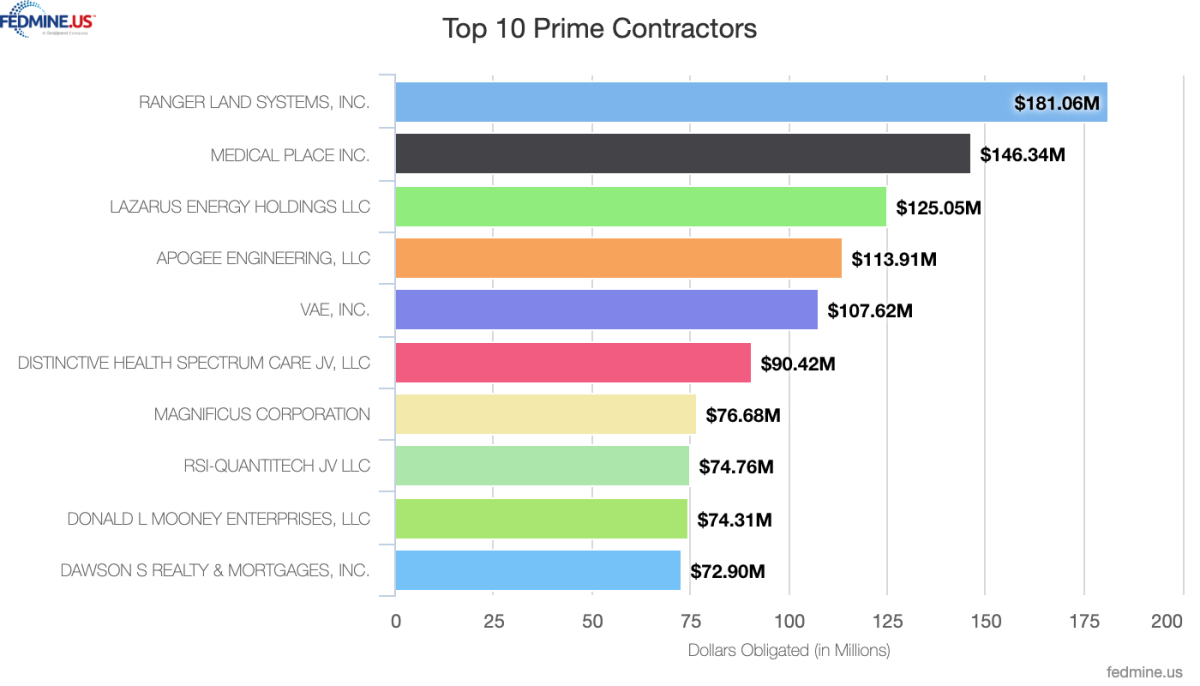
This isn’t just a business problem; it’s a racial and economic justice issue. Black Americans were systematically denied the same access to capital, networks, and education that fueled White wealth for centuries. That exclusion has lasting consequences: even today, Black-owned businesses are less likely to compete successfully for government contracts, not because of skill or innovation, but because the playing field has never been level.
According to federal contract data in the Fedmine platform, in FY 23, 5,371 Black-owned businesses won $9.99B in federal contracts, which is less than 1.3% of the $774B in total contracts that were awarded in FY 23. Interestingly, looking at historical data for the period FY 20-FY 23, the dollars awarded remain relatively constant at $9.5B, however, the total contracts awarded have seen a 12.4% growth from $689B in FY 20 to $774.6B in FY 23.

This inequity is at the heart of reparations claims. Advocates argue that reparations should extend beyond direct payments and include structural economic remedies. One critical piece is equitable access to government contracts. Granting Black-owned businesses priority or first access to certain contracts is not a handout; it’s a corrective measure that acknowledges historical exclusion and works toward economic parity.
Fair bidding practices, coupled with dedicated opportunities for Black entrepreneurs, could generate generational wealth, strengthen communities, and finally allow Black businesses to compete on an equal footing. Government contracts represent not just money, but access to markets, credibility, and the ability to scale operations—opportunities that were systematically denied to Black Americans for generations.
Granting Black-owned businesses priority or first access to certain contracts is not a handout; it’s a corrective measure that acknowledges historical exclusion and works toward economic parity.
Reparations, in this sense, are about creating lasting structural change. They are about dismantling the monopoly White America has maintained on government contracts and giving Black businesses the tools, access, and opportunities to thrive in spaces they were historically barred from entering. True reparations are not charity—they are justice.
Black Americans deserve a seat at the table of opportunity, and for too long, that table has been reserved for White-owned businesses. Ensuring fair access to government contracts isn’t just a policy proposal—it’s a moral imperative, a step toward righting centuries of economic exclusion, and a foundational part of the broader conversation about reparations.
—Michael Lyles, B1Daily


 B1Daily
Leave a comment