—Travis Luyindama, B1Daily
The tech world is witnessing a strange inversion of priorities. Gaming, once the beating heart of the GPU industry, is being quietly sidelined as artificial intelligence devours the very resources that made modern graphics possible. At the center of this shift is Nvidia, the company that helped define the GPU era, now reportedly scaling back or halting portions of its graphics card production due to a global memory shortage fueled by the AI boom.
This isn’t a manufacturing hiccup. It’s a structural shift.
The Memory Bottleneck No One Saw Coming
Graphics cards don’t just run on silicon cores. They rely heavily on high-performance memory, particularly VRAM and High Bandwidth Memory (HBM), to process massive workloads. AI systems, especially large language models and generative tools, demand enormous amounts of this same memory.
And they don’t just demand it. They consume it at industrial scale.
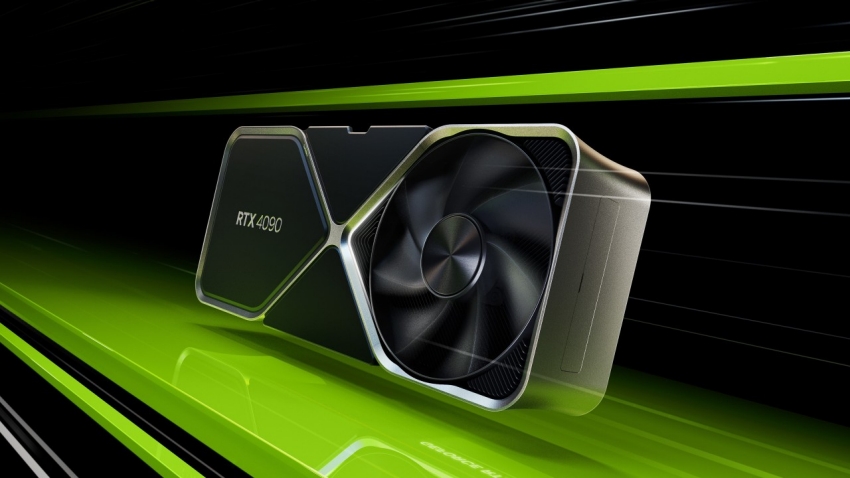
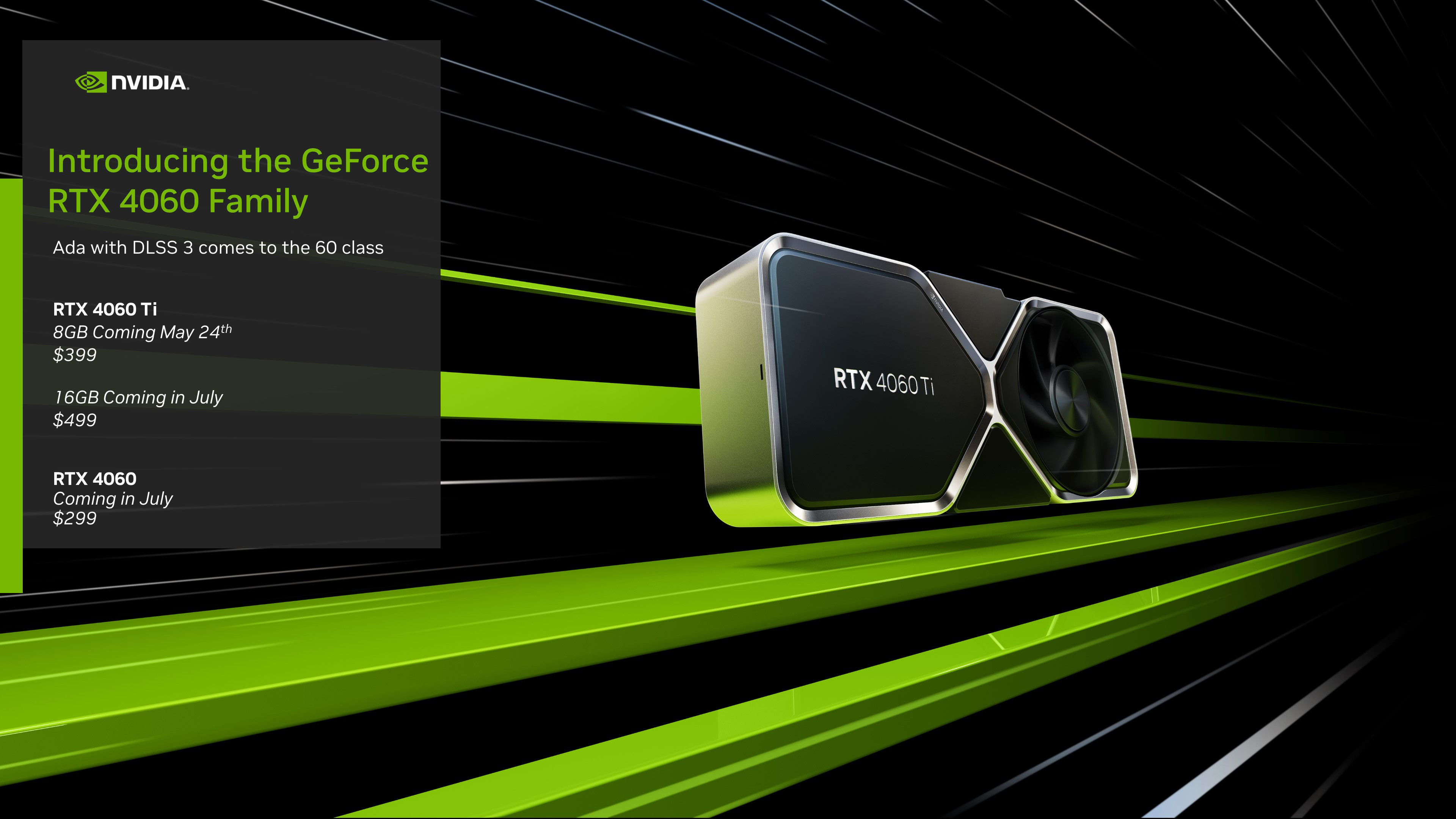
The result is a supply crunch where memory manufacturers are prioritizing AI data centers over consumer hardware. Major memory producers have effectively sold out capacity for AI-focused chips, leaving consumer GPU production starved of a critical component. Reports indicate that Nvidia has been forced to cut production of its RTX 50 series GPUs by as much as 30–40%, with some models delayed or effectively paused.
In extreme cases, Nvidia is even skipping an entire cycle of new gaming GPU releases, something the company hasn’t done in decades.
Why AI Gets Priority
From a business perspective, the decision is almost inevitable.
AI chips command far higher margins than consumer GPUs. A single data center contract can be worth more than millions of individual gaming graphics cards. For Nvidia, redirecting limited memory supply toward AI accelerators isn’t just strategic, it’s financially irresistible.
Think of it like a power grid during a blackout. Hospitals stay lit. Arcades go dark.
Gaming GPUs, once the flagship product, are now competing with trillion-dollar AI ambitions for the same raw materials.
The Ripple Effects: Scarcity, Price Spikes, and Delays
For consumers, the consequences are already unfolding:
- GPU prices are rising due to constrained supply
- Mid-range cards are becoming harder to find at retail
- Launch timelines are slipping or disappearing altogether
- OEMs and PC builders face increasing uncertainty in supply chains
Even outside GPUs, the effects are spreading. The same AI-driven demand is contributing to shortages in CPUs, SSDs, and other critical components, signaling a broader hardware crunch across the industry.
This is no longer just a GPU problem. It’s a system-wide squeeze.
A New Era: AI First, Consumers Second
What’s happening with Nvidia is a preview of a larger transformation in tech. The industry is reorganizing itself around AI infrastructure, and consumer hardware is no longer the priority it once was.
For decades, gaming pushed innovation in graphics. Now AI is rewriting the rules, absorbing resources, dictating supply chains, and reshaping product roadmaps.
The GPU, once a tool for rendering virtual worlds, has become the engine of machine intelligence.
And in that transition, gamers are being pushed to the back of the line.
The Big Question
The real question isn’t whether this shortage will end. It’s whether consumer hardware will ever regain its former importance.
Because if AI demand continues to grow at its current pace, this may not be a temporary disruption.
It may be the new normal.
—Travis Luyindama, B1Daily



 B1Daily
Leave a comment