—Barrington Williams, B1Daily
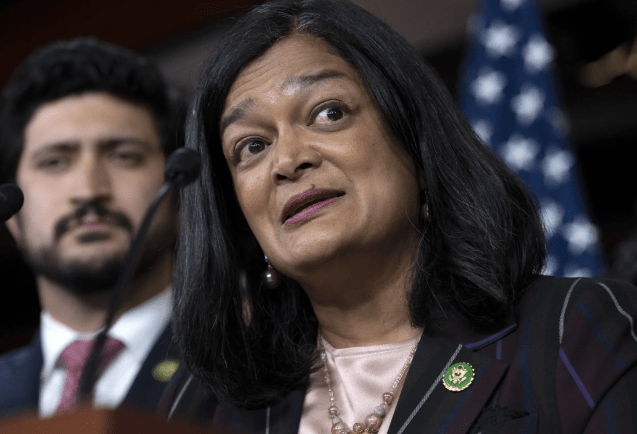
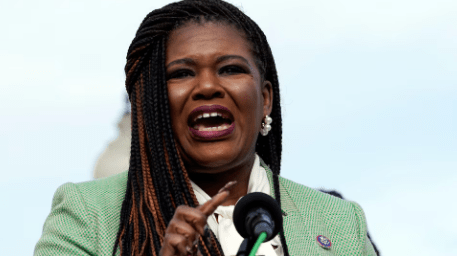
In recent weeks, Democratic lawmakers have stepped firmly into the spotlight, holding press conferences and public events centered on immigration enforcement and the actions of U.S. Immigration and Customs Enforcement (ICE). Framed as a moral response to aggressive federal crackdowns, these appearances have emphasized protecting immigrant communities, demanding accountability, and condemning what lawmakers describe as heavy-handed tactics.
At one such press conference earlier this year, Democratic officials and immigrant advocacy groups gathered to denounce what they called “brutality and violence” tied to ICE operations, calling for sweeping reforms and even leadership changes within the Department of Homeland Security. Similarly, party leaders have pushed for “dramatic changes” to ICE, including stricter oversight, body cameras, and limits on enforcement practices.
These efforts come amid heightened national tension over immigration policy, as expanded enforcement actions have reshaped communities and fueled fear across the country.
But while Democrats have been highly visible on immigration, critics argue that this advocacy reveals a deeper imbalance. The same urgency and coordination, they say, are often absent when it comes to issues disproportionately affecting Black Americans, including economic inequality, crime, education gaps, and systemic disparities that persist across generations.
This perceived disconnect has led some observers to question whether political priorities are being shaped more by optics and coalition politics than by a consistent, across-the-board commitment to all constituencies.
To supporters, the answer is straightforward: immigration enforcement has escalated rapidly under current federal policies, demanding immediate attention. They point to reports of deaths in ICE custody and controversial enforcement tactics as justification for urgent action.
To critics, however, the contrast is harder to ignore. They argue that while press conferences are quickly organized to address immigration raids or detainee conditions, there is far less public urgency when Black communities face crises such as violence, displacement, or economic decline.
The debate ultimately reflects a broader tension within American politics, one that is less about a single press conference and more about competing expectations. Who gets prioritized, when, and how visibly?
For now, Democrats continue to position themselves as vocal opponents of aggressive immigration enforcement. But as the political stage fills with microphones and flashing cameras, the question lingers in the background like a quiet drumbeat: advocacy for whom, and at what cost?
—Barrington Williams, B1Daily

 B1Daily
Leave a comment