—Vanessa Edwards, B1Daily
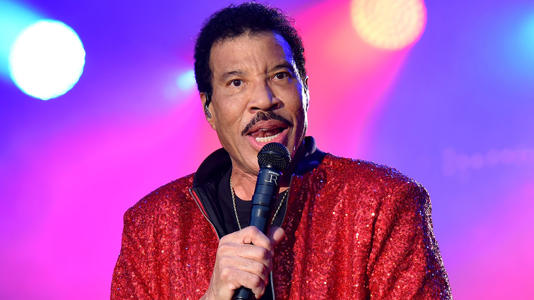
In the glittering theater of fame, where applause is currency and attention is oxygen, Lionel Richie has issued a blunt reminder to a new generation of stars: you cannot crave the spotlight while resenting the crowd that creates it.
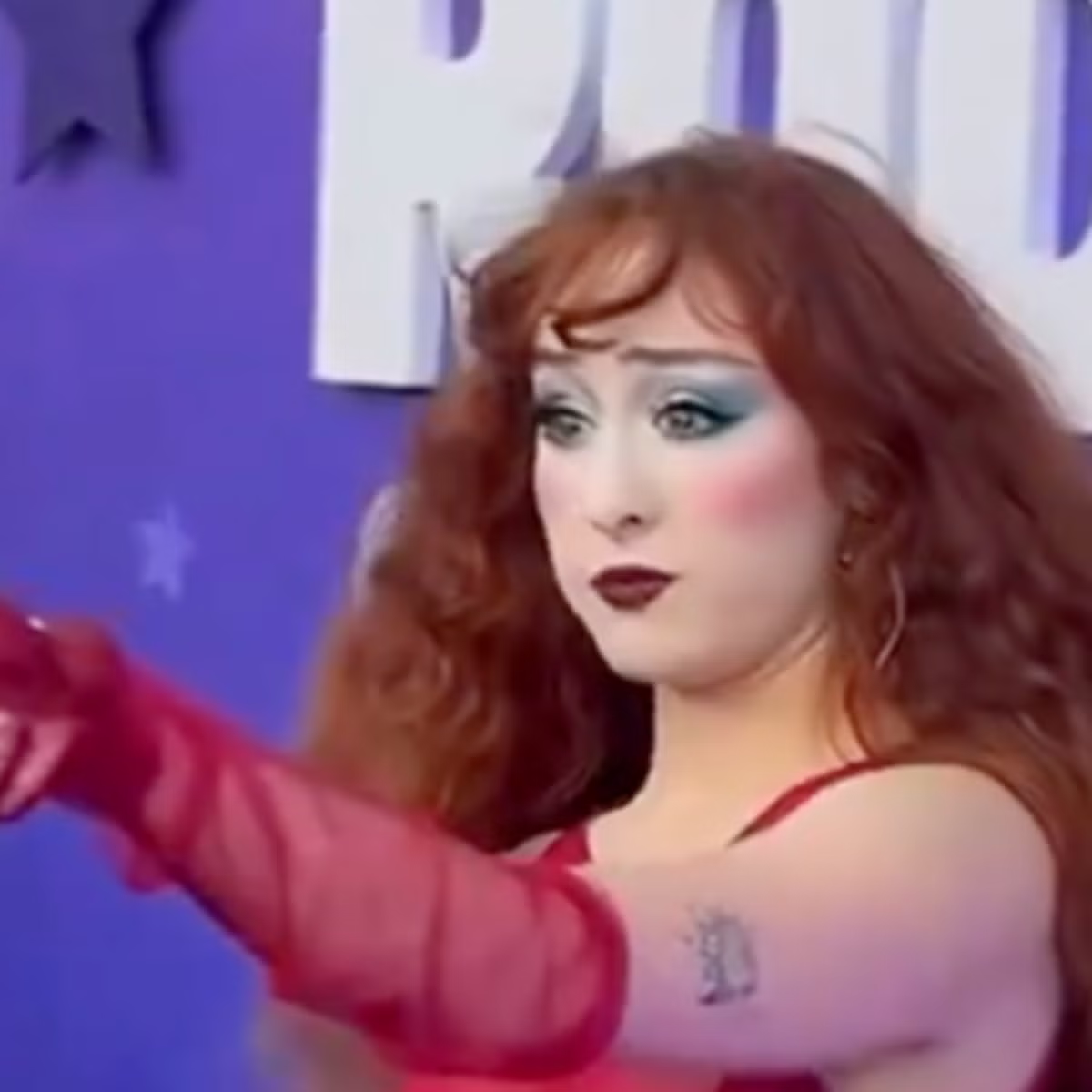
Richie’s remarks come amid the escalating backlash surrounding Chappell Roan, whose name has been pulled into controversy following an alleged incident involving a young fan and a security guard in Brazil. According to reports, the situation left the child shaken, even as Roan denied direct involvement and insisted she was unaware of the encounter.
But this isn’t just about one artist or one moment. It’s about a widening fracture between celebrities and the very people who elevate them.
The “Look at Me” Paradox
Richie distilled the contradiction with surgical precision: many entertainers spend years begging to be seen, only to recoil once the world finally looks. He framed it as a fundamental miscalculation of fame itself, warning that success without human connection is a hollow pursuit.
His message was simple but sharp-edged: if you don’t like people, fame isn’t for you.
It’s a philosophy forged in a different era of celebrity, one where personal interaction wasn’t optional branding but essential survival. Richie’s reputation, built on small gestures and everyday kindness, reflects a time when word-of-mouth could make or break a career long before algorithms took over.
A New Generation, A New Tension
The Roan controversy highlights a modern dilemma. Today’s stars operate in an environment where fans are not just admirers but constant presences, amplified by social media and blurred boundaries. Parasocial relationships have turned casual listeners into emotionally invested participants, sometimes crossing into invasive behavior.
Roan herself has pushed back against that reality, previously calling out harassment and questioning the expectation that public figures must always be accessible.
And she’s not wrong.
Fame in 2026 is less a stage and more a surveillance grid, where every interaction is recorded, dissected, and broadcast. The demand for constant engagement can feel less like admiration and more like entitlement.
Where Responsibility Meets Reality
Still, Richie’s warning cuts through the noise because it speaks to something older and more durable than social media: reciprocity.
Fans build careers. They stream the music, buy the tickets, defend the artist online, and transform individuals into icons. In return, they expect at least a baseline of acknowledgment, a flicker of humanity in the exchange.
As one account of the Brazil incident underscores, the outrage wasn’t just about what allegedly happened, but who it happened to: a child.
That detail turned a routine celebrity controversy into a moral flashpoint.
The Cost of Coldness
Richie also pointed to an unforgiving truth: reputations travel faster than ever. A single negative interaction can ripple across the internet in minutes, reshaping public perception overnight.
In that sense, fame today behaves like glass, dazzling but fragile. One crack, and the reflection changes.
The warning is less about politeness and more about survival. Celebrities who consistently alienate their supporters risk eroding the very foundation of their success.
The debate sparked by Chappell Roan isn’t going away because it taps into a deeper question: what do public figures owe the public?
The answer, if Lionel Richie is to be believed, is not perfection, nor constant access, but something far simpler and harder to fake: respect.
Because in the end, fame is not a solo act. It’s a crowded room. And how you treat the people in it determines whether they keep cheering… or quietly walk away.
—Vanessa Edwards, B1Daily


 B1Daily
Leave a comment