—Kerry Hill, B1Daily
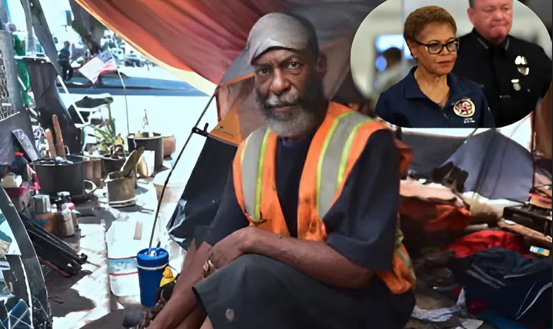
In a city where tents stretch like unplanned neighborhoods and underpasses double as shelter, leadership is measured not by promises, but by visible change. For many in Los Angeles, that change has yet to arrive under Karen Bass.
When Bass took office as mayor of Los Angeles, she inherited a homelessness crisis years in the making. But as months have stretched into years, critics argue the results have fallen far short of the scale of the problem.
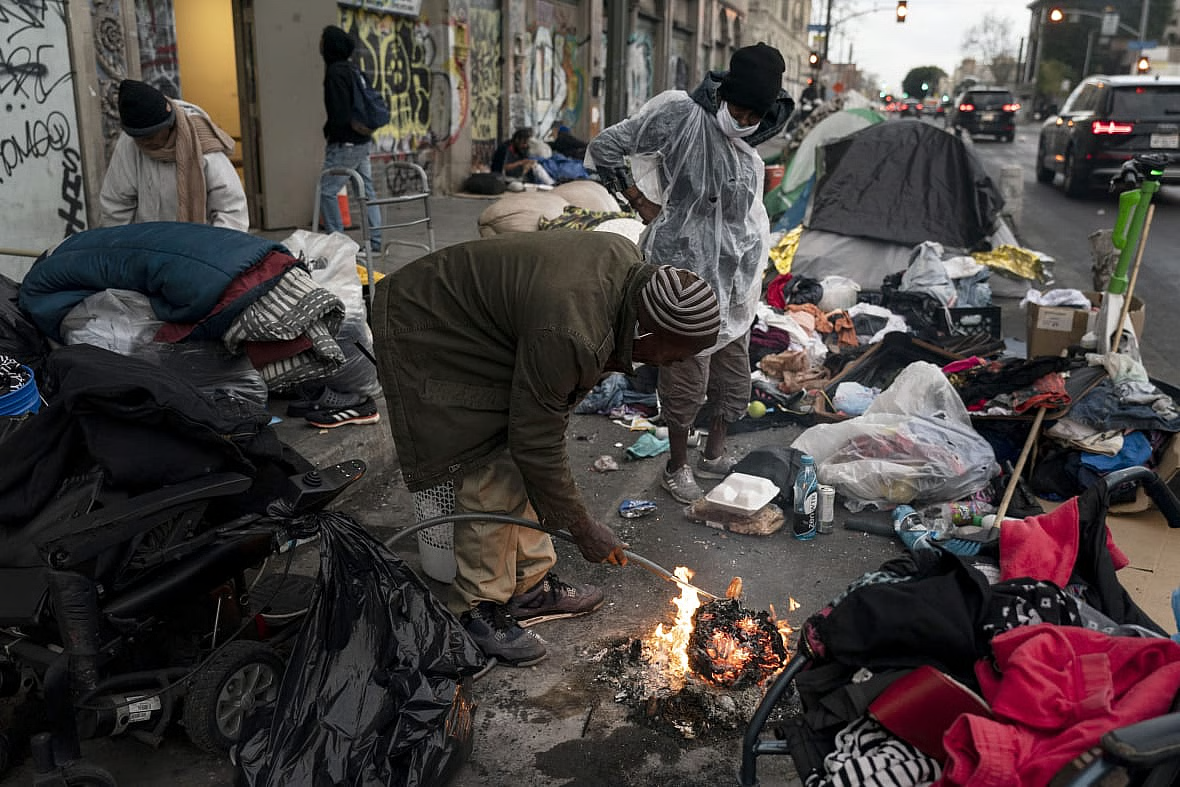
Encampments persist. In some areas, they’ve simply shifted rather than disappeared, a kind of municipal shell game where visibility is managed more than conditions are solved. The deeper structural issues, housing shortages, mental health services, and economic displacement, remain stubbornly intact, like roots untouched beneath trimmed weeds.
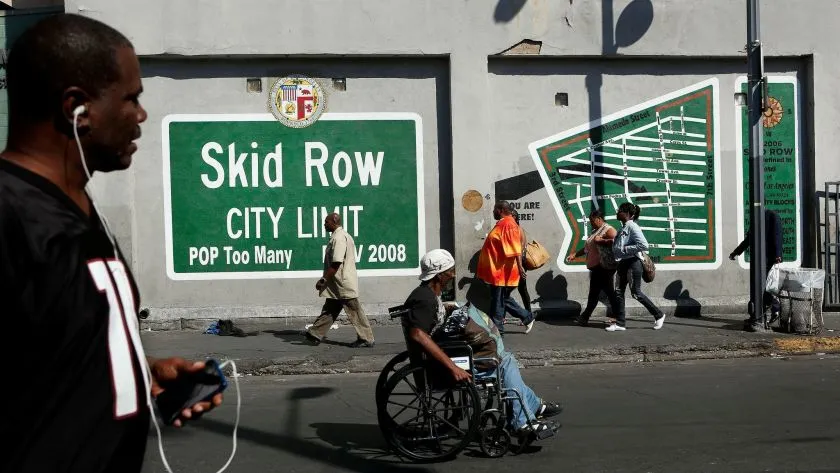
Among Black grassroots voices in the city, the frustration carries a sharper edge. There is a growing sentiment that Bass, once seen as a representative of Black political advancement, has drifted from the specific needs of Black Angelenos who continue to face disproportionate rates of homelessness. Critics point to long-standing disparities in housing access, income, and community investment that have yet to see targeted, transformative solutions.
What fuels the anger further is the perception of uneven priorities. Some community voices argue that city resources appear more readily mobilized for migrant and undocumented populations seeking housing assistance, while Black residents, particularly those born and raised in Los Angeles, feel sidelined. Whether fully accurate or not, perception in politics is its own reality, and this one is spreading.
To those critics, the issue isn’t just policy. It’s allegiance. The word “sellout” has begun to surface in grassroots conversations, a heavy label that reflects a belief that political leadership has become more responsive to broader coalition optics than to the foundational communities that helped build that power.
Supporters of Bass counter that homelessness is a universal crisis requiring broad, inclusive solutions, not siloed approaches. They argue that helping any vulnerable population ultimately strengthens the entire system. But for critics, that argument rings hollow when specific communities continue to bear disproportionate burdens without targeted relief.
The political danger here isn’t just policy failure. It’s erosion of trust.
Because in a city as vast and complex as Los Angeles, no mayor can solve homelessness overnight. But what communities watch for is direction, priority, and evidence that their struggles are not being quietly deprioritized behind closed doors.
Right now, for many, that confidence is slipping.
And in politics, once the ground beneath you starts to shift, even the strongest mandates can begin to feel uncertain.
—Kerry Hill, B1Daily


 B1Daily
Leave a comment