—Kerry Hill, B1Daily
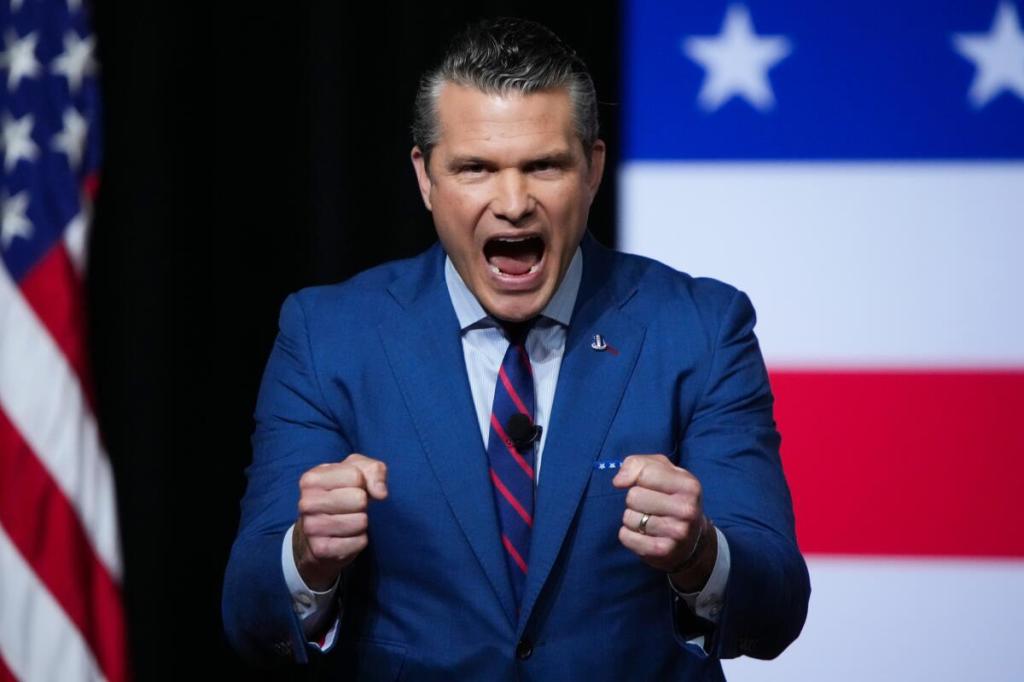
The controversy surrounding Pete Hegseth is less a sudden storm and more a familiar script playing out on a larger stage.
Recent reports allege that Hegseth blocked the promotions of four Army officers, including two Black men, from advancing to one-star general despite longstanding records of service and qualification. What made the move especially controversial wasn’t just the decision itself, but how it was carried out. Instead of approving or rejecting the full promotion list as is customary, Hegseth reportedly singled out specific officers for removal, raising alarms about politicization and potential bias.
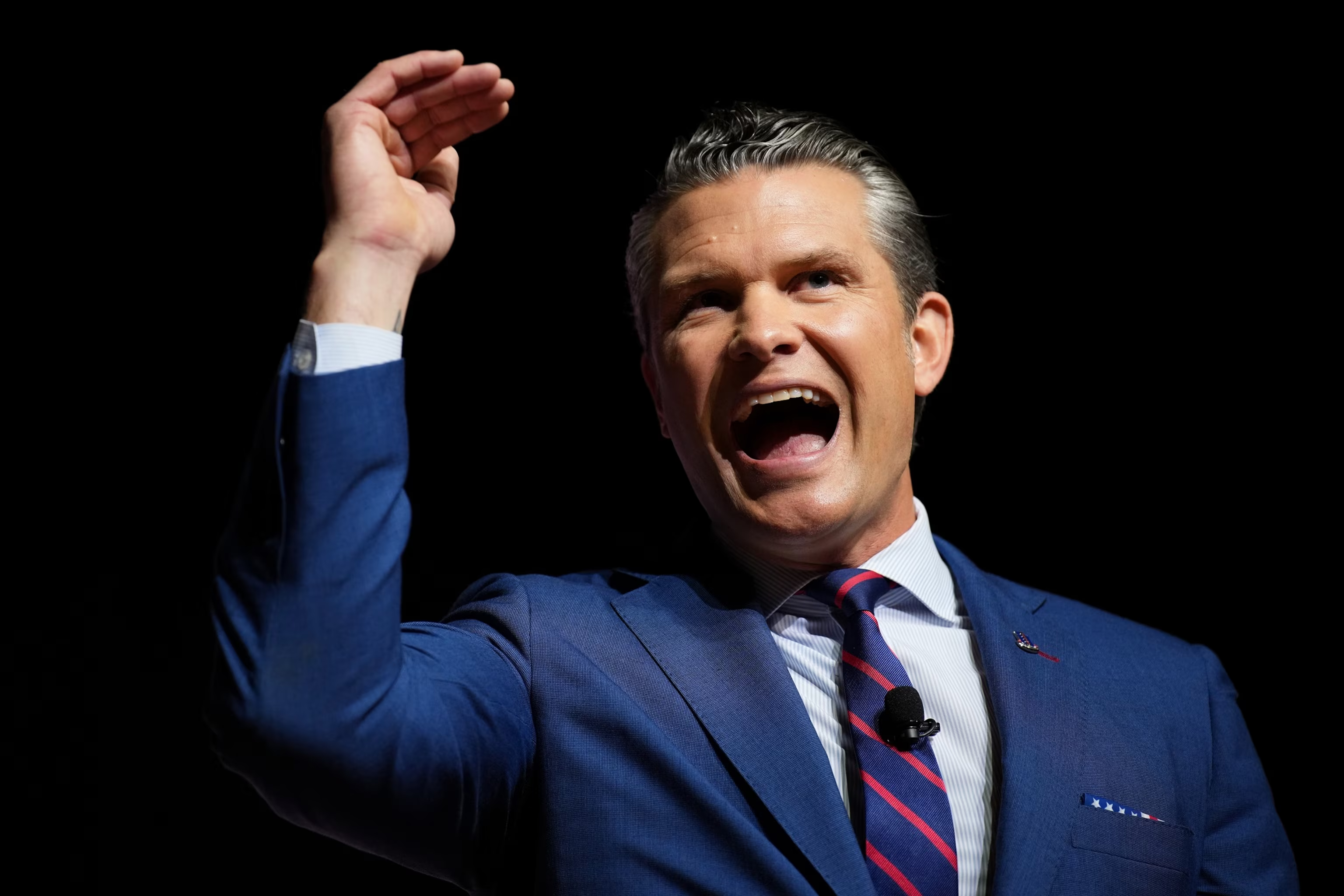
Critics inside and outside the military have pointed to this as part of a broader pattern. Allegations have also surfaced that opposition existed within his circle to elevating Black leadership in visible roles, including resistance to a Black female officer taking on a prominent ceremonial command position. While Hegseth and Pentagon officials deny any racial bias, insisting promotions are strictly merit-based, the optics tell a different story to many observers.
That perception doesn’t exist in a vacuum. Hegseth has built a public persona around aggressively opposing what he calls “woke” policies in the military, often targeting diversity and inclusion efforts. His own writings and policy moves have consistently framed DEI initiatives as threats to military effectiveness, a stance that critics argue often translates into hostility toward Black advancement within the ranks.
This is where the controversy sharpens. For many Black Americans, the issue isn’t just one set of promotions. It’s the cumulative weight of actions, rhetoric, and policy decisions that appear to sideline Black leadership while dismantling the frameworks designed to address historical exclusion. When promotions are blocked, histories erased, and diversity initiatives stripped away, it creates a pattern that’s hard to dismiss as coincidence.
Politically, the implications stretch beyond the Pentagon. Incidents like this feed into a long-standing critique of the Republican Party’s relationship with Black voters. Despite periodic outreach efforts, moments like these reinforce the perception that Black concerns, particularly around equity and representation, are either minimized or actively opposed.
The result is a widening gap. Not just ideological, but emotional and historical. Trust, once fractured, doesn’t rebuild easily, especially when actions appear to confirm long-held suspicions.
For Republicans, the challenge is clear but unresolved: you cannot court a community while simultaneously supporting policies and figures that many within that community view as dismissive or hostile to their advancement.
And for Black Americans watching this unfold, the question isn’t complicated. It’s the same one that echoes across generations:
Who is actually fighting for us, and who just says they are?
—Kerry Hill, B1Daily


 B1Daily
Leave a comment