—Michael Lyles, Kerry Hill B1Daily
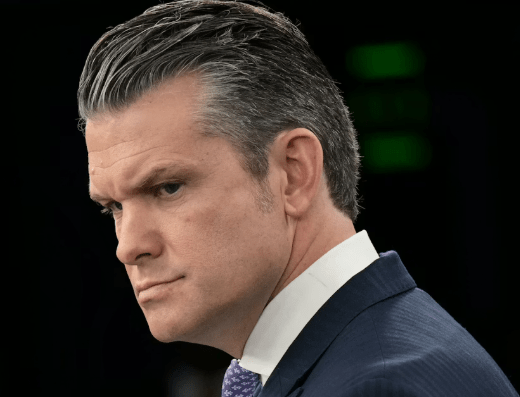
As the United States’ conflict with Iran unfolds, Defense Secretary Pete Hegseth is facing a storm of scrutiny over allegations that a financial broker linked to him attempted to make a multimillion-dollar investment in defense companies just before military action began.
At the center of the controversy is a report, first revealed by the Financial Times and widely circulated across major outlets, claiming that a broker associated with Hegseth—operating through Morgan Stanley—contacted BlackRock in February to explore investing heavily in a defense-focused exchange-traded fund. The fund reportedly included major military contractors such as Lockheed Martin and Northrop Grumman, companies that typically stand to benefit from increased wartime spending.
The timing has raised immediate red flags. The inquiry into the investment reportedly occurred just weeks before the United States, alongside Israel, launched strikes on Iran in late February, escalating into a broader military conflict.
Allegations of Insider Knowledge
Critics argue that if Hegseth or his associates had advance knowledge of impending military action, any attempt to invest in defense stocks could constitute a serious breach of ethics—or even insider trading. The situation has intensified broader concerns about whether high-ranking officials with access to classified military plans are positioned to financially benefit from those decisions.
While there is no confirmed evidence that Hegseth personally directed or approved the attempted investment, the mere possibility has fueled calls for investigation. Notably, the reported transaction never went through, allegedly because the specific fund was not yet available to Morgan Stanley clients at the time.
Still, watchdog groups and critics say intent matters just as much as execution when it comes to potential corruption tied to wartime decisions.
Pentagon Denial and Pushback
The Pentagon has responded forcefully, denying the allegations in their entirety. Officials have labeled the report “false and fabricated” and have demanded a formal retraction.
According to Pentagon spokesperson Sean Parnell, neither Hegseth nor any representative acting on his behalf sought to make such an investment. The Department of Defense has maintained that all actions taken by the Secretary comply with ethical and legal standards.
However, the denial has not fully quieted concerns. The lack of detailed transparency—combined with the reliance on unnamed sources in the original reporting—has left the public with more questions than answers.
A Broader Pattern of Concern
The controversy arrives in an already tense environment. The Iran conflict, sometimes referred to as “Operation Epic Fury,” has been accompanied by other unusual financial signals, including large speculative bets placed shortly before military action.
To critics, the Hegseth allegations fit into a larger pattern: markets moving in ways that appear uncannily aligned with U.S. military decisions.
Even beyond this specific incident, Hegseth has faced prior scrutiny over his handling of sensitive information and decision-making as Defense Secretary, adding fuel to concerns about judgment and accountability at the highest levels of national security.
The Stakes
If proven, the implications would be enormous. Insider trading tied to military action would represent not just a financial crime, but a fundamental breach of public trust—turning war into a vehicle for private gain.
For now, the situation remains unclear:
- Allegations: A broker linked to Hegseth explored a major defense investment before the Iran strikes
- Evidence: Based on reporting citing anonymous sources; no completed transaction
- Denial: The Pentagon categorically rejects the claims as false
As calls for investigation grow louder, the question hangs in the air like smoke after a battlefield strike: was this coincidence—or something far more calculated?
—Michael Lyles, Kerry Hill B1Daily
 B1Daily
Leave a comment