—Terrence Dorner, B1Daily
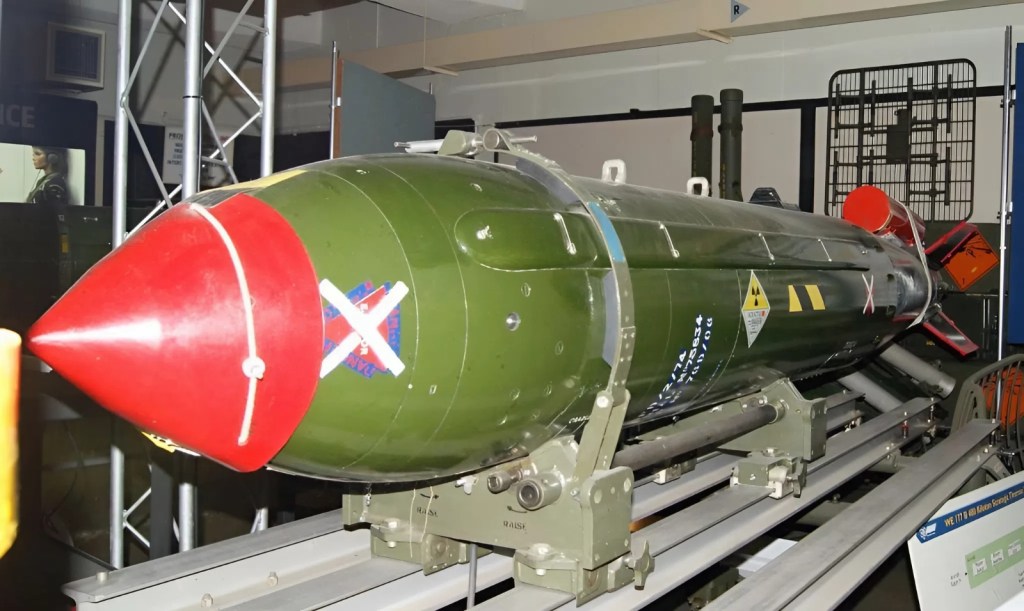
There are secrets, and then there are stage-whisper secrets everyone hears but politely pretends not to. Israel’s nuclear program belongs squarely in the latter category, an “open secret” that has shaped Middle Eastern geopolitics for decades without ever being formally acknowledged.
The Policy of Silence
Unlike declared nuclear powers, Israel has long maintained a doctrine of deliberate ambiguity. Officials neither confirm nor deny the existence of nuclear weapons, a stance often summarized in a carefully worded phrase: Israel will not be the first to “introduce” nuclear weapons into the Middle East.
It’s a linguistic tightrope. One that allows possession without admission.
This policy, sometimes called nuclear opacity, has given Israel strategic advantages while avoiding the diplomatic consequences that come with open declaration.
Dimona: The Heart of the Program
At the center of this quiet capability is the Negev Nuclear Research Center, commonly referred to as Dimona. Built in the late 1950s with French assistance, the facility has long been suspected by international analysts to be the core of Israel’s nuclear weapons development.
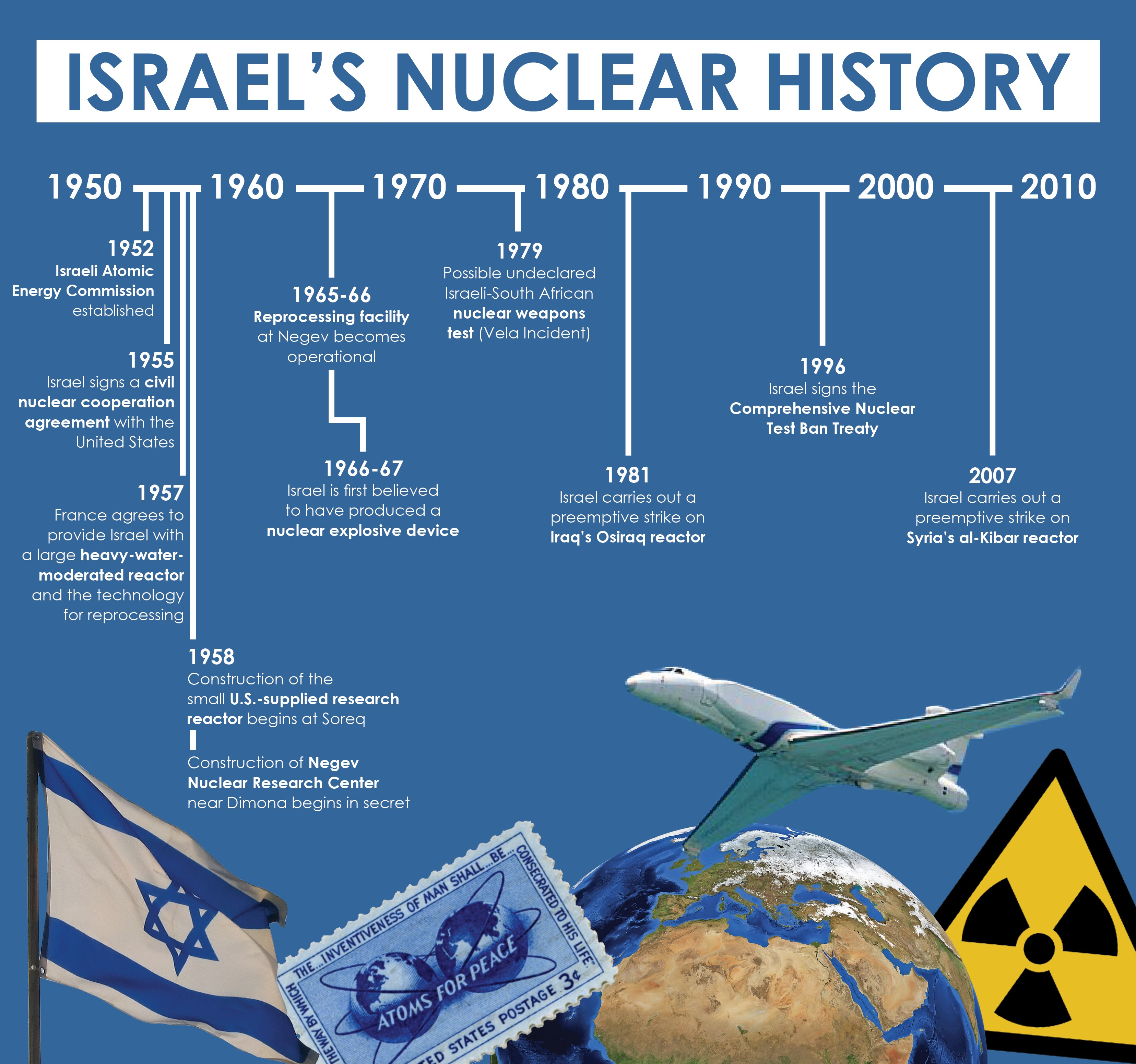
Satellite imagery, intelligence assessments, and decades of reporting all point in the same direction: Dimona is not just a research center, but a production hub.
Israel, for its part, has never publicly confirmed that claim.
Mordechai Vanunu and the Leak That Wasn’t Supposed to Happen
If Israel’s nuclear program is an open secret today, much of that is due to one man: Mordechai Vanunu.
In 1986, Vanunu, a former technician at Dimona, provided photographs and detailed descriptions of the facility to the Sunday Times. His revelations suggested that Israel had developed a sophisticated nuclear arsenal, potentially including thermonuclear weapons.
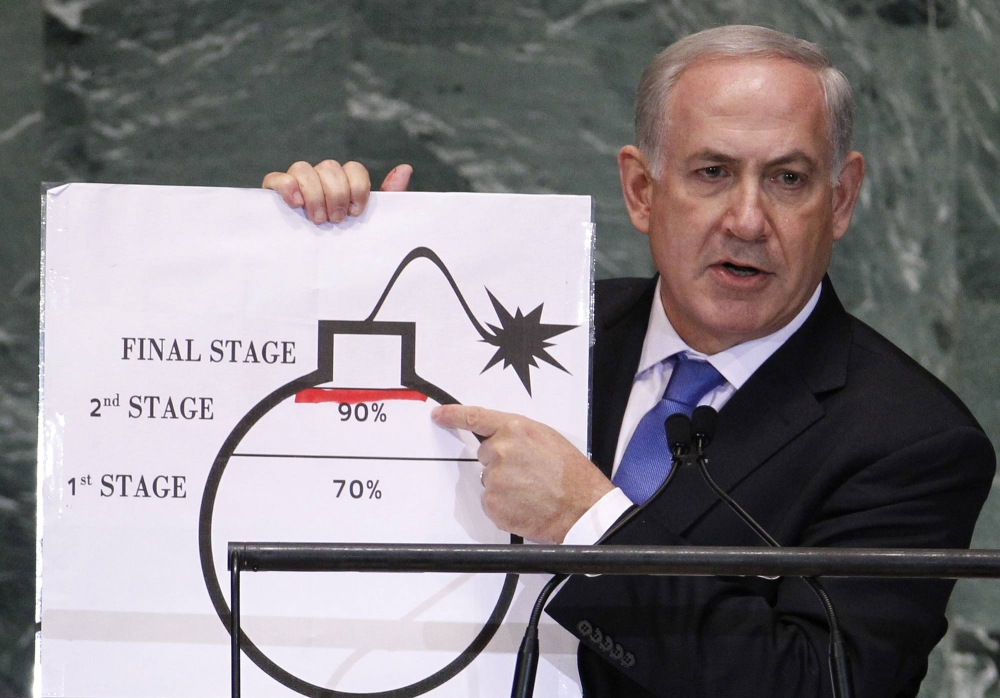
The response was swift and dramatic. Vanunu was lured out of the UK by Israeli intelligence, abducted, and returned to Israel, where he was tried and imprisoned for 18 years.
His disclosures were never officially validated. But they were never convincingly disproven either.
Global Consensus Without Confirmation
Today, most independent analysts estimate that Israel possesses dozens, possibly hundreds, of nuclear warheads, along with delivery systems that include aircraft, ballistic missiles, and submarine-launched platforms.
Organizations like the International Atomic Energy Agency acknowledge the broader regional implications but face a unique limitation: Israel is not a signatory to the Nuclear Non-Proliferation Treaty (NPT), meaning its nuclear facilities are not subject to the same inspection regimes as countries that have agreed to the treaty.
The result is a peculiar global consensus. Governments rarely say it outright, but few seriously dispute it.
Strategic Logic: Deterrence Without Declaration
Israel’s approach is rooted in deterrence. Surrounded by adversaries for much of its history, the country has sought to ensure that any existential threat would carry unbearable consequences.
But why not just admit it?
Because ambiguity serves multiple purposes:
- It deters enemies without provoking them into escalation
- It avoids triggering regional nuclear arms races, at least overtly
- It allows allies, particularly the United States, to maintain diplomatic flexibility
In essence, Israel’s nuclear posture is a carefully calibrated shadow: visible enough to warn, hidden enough to deny.
A Double Standard Debate
Israel’s undeclared arsenal has also fueled accusations of double standards in global nuclear policy.
Countries like Iran face intense scrutiny, sanctions, and international negotiations over their nuclear ambitions. Meanwhile, Israel’s capabilities remain outside formal international frameworks.
Critics argue this undermines the credibility of nonproliferation efforts. Supporters counter that Israel’s unique security environment justifies its exceptional status.
Either way, the contrast is impossible to ignore.
Israel’s nuclear program is less a secret than a shared understanding, one maintained through silence rather than deception.
It exists in that rare space where everyone knows, no one says, and the consequences of breaking the illusion may be greater than sustaining it.
In global politics, some truths are too powerful to announce.
So they linger instead, just beneath the surface, shaping history without ever officially existing.
—Terrence Dorner, B1Daily



 B1Daily
Leave a comment