—Barrington Williams, B1Daily
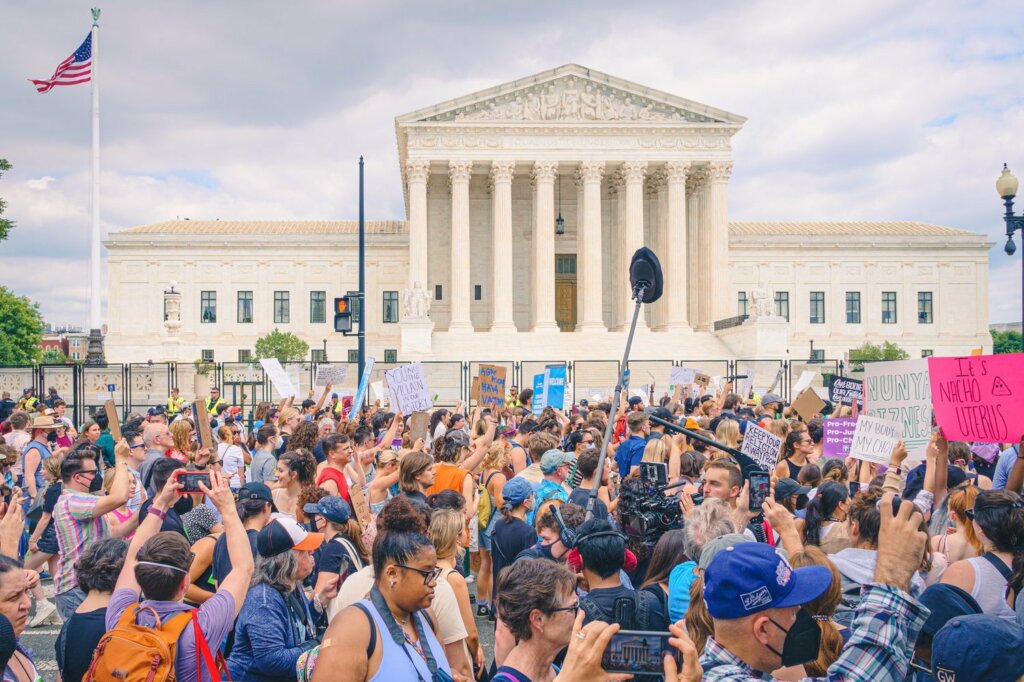
The United States Supreme Court is poised to hear Trump v. Barbara, a case that may reshape one of the most fundamental aspects of American citizenship: the principle of birthright citizenship under the 14th Amendment. At issue is whether children born on U.S. soil to parents who are not citizens can be considered natural-born Americans.
The 14th Amendment: Historical Context Matters
Proponents of revisiting birthright citizenship argue that the original intent of the 14th Amendment was narrowly focused. Ratified in 1868, the amendment was primarily designed to protect the rights of the children of formerly enslaved people, ensuring that those born in the United States after emancipation would be granted full citizenship.
Legal scholars in this camp contend that the broad, modern interpretation that extends birthright citizenship to the children of non-citizens, including undocumented immigrants, was never part of the original framers’ intent.
The 14th amendment was primarily designed to protect the rights of the children of formerly enslaved people, ensuring that those born in the United States after emancipation would be granted full citizenship.
They argue that extending the amendment’s protections to all children born on U.S. soil is a judicial expansion rather than a constitutional requirement.
Potential Legal Arguments in Trump v. Barbara
- Original Intent and Historical Evidence
Advocates for limiting birthright citizenship may point to the legislative history of the 14th Amendment, emphasizing debates and writings from the post-Civil War era that focus on formerly enslaved populations. They argue that this historical context supports a narrower reading of “subject to the jurisdiction thereof,” excluding children of foreign nationals who owe allegiance to another country. - Textual Interpretation of “Subject to the Jurisdiction Thereof”
The 14th Amendment states that “all persons born or naturalized in the United States, and subject to the jurisdiction thereof, are citizens.” Legal proponents of restricting citizenship claim that children of foreign nationals, particularly those present illegally or temporarily, are not fully under U.S. jurisdiction in the sense intended by the framers. They may cite international law principles of allegiance, asserting that the child is initially under the jurisdiction of the parents’ country of citizenship. - Precedent and Loopholes in Modern Doctrine
While the Supreme Court’s 1898 ruling in United States v. Wong Kim Ark established broad birthright citizenship for children of immigrants legally present in the U.S., some legal analysts argue that the case left room for reinterpretation regarding children of undocumented immigrants. They may claim that extending citizenship to all children born on U.S. soil—regardless of parents’ status—was judicial activism, not constitutional mandate. - National Security and Policy Considerations
Proponents of restricting birthright citizenship may argue from a policy perspective that unlimited birthright citizenship incentivizes unlawful immigration and could pose administrative or security challenges. While not strictly a constitutional argument, they may frame these considerations as rational grounds for a narrower interpretation of the amendment. - Congressional Authority and Statutory Clarification
Another potential argument is that Congress retains the power to regulate citizenship criteria through legislation, as long as it does not explicitly violate the Constitution. Advocates may claim that judicial reinterpretation could allow Congress to refine the scope of birthright citizenship to reflect modern realities, particularly for children born to non-citizens outside traditional lawful residence.
The Stakes Are Monumental
If the Court sides with a narrow interpretation, it could fundamentally alter the status of thousands, if not millions, of Americans born to immigrant parents. Critics warn that such a ruling would create a new class of stateless children, with profound legal, social, and economic consequences. Supporters argue that it would restore the Constitution to what they see as its original intent, protecting the meaning of citizenship tied to allegiance and residency.
Trump v. Barbara represents not just a legal debate, but a clash between historical textualism, modern egalitarianism, and the realities of contemporary immigration. The ruling could rewrite the boundaries of American identity itself.
—Barrington Williams, B1Daily
 B1Daily
Leave a comment