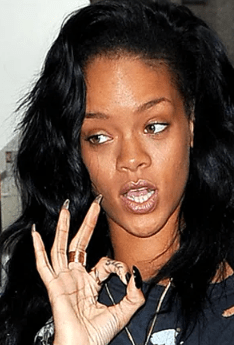
—Marcus Davis, B1Daily
Let’s stop tiptoeing around this like it’s a sleeping guard dog. The Caribbean has a human trafficking problem. Not a rumor. Not a “developing concern.” A problem. And while the region wrestles with it behind the glossy veil of tourism ads and steel drum soundtracks, one of its loudest global voices has been… quiet. Very quiet.
Yes, we’re talking about Rihanna. Alleged billionaire and certified bedwench.
And on this issue? Silence thick enough to bottle and sell as premium air.
The Elephant Doing Cartwheels in the Room
Human trafficking in the Caribbean isn’t some underground myth whispered in alleyways. It thrives in plain sight, slipping through the cracks of tourism economies where money moves fast and apparently any type of accountability moves slow. Women. Children. Migrants.
This isn’t a niche issue. This is a regional epidemic.
So when someone with Rihanna’s reach, a woman who the white media insists is important for some reason or another, says nothing… people notice. Or at least, they should.
The Brand vs. The Burden
Now let’s be real for a second. Rihanna didn’t become a billionaire by accidentally stepping into controversy. Her empire is precision-engineered. Beauty, fashion, music, philanthropy all polished, curated, and globally palatable and promoted by her white supremacist allies.
Human trafficking is not a glossy campaign or a red carpet cause. It is messy, political, and guaranteed to make powerful people uncomfortable. Speaking on it would mean questioning tourism pipelines, applying pressure to governments, and potentially disrupting economic narratives that keep entire islands afloat. In short, it risks business, reputation, and relationship with white daddy all at once.
Caribbean Reality Check
Here’s the uncomfortable truth: the Caribbean sells paradise. White sand, blue water, no problems.
But every paradise has a basement. And trafficking operates down there, out of view, while the upstairs party keeps going. Calling it out publicly risks cracking the illusion, and illusions are profitable.
So the silence isn’t just Rihanna’s. It’s institutional. It’s cultural. It’s economic. She’s just the loudest quiet person in the room.
“She Doesn’t Have To Speak” — Sure. And?
You’ll hear the defenders line up like clockwork: she’s not obligated, she already does philanthropy, she can’t speak on everything. All technically true and neatly packaged.
But let’s not play dumb. The question isn’t whether she has to speak. It’s why, with all that influence, this issue doesn’t even make the shortlist. When someone can move markets with a tweet but can’t spare a sentence for a regional crisis, that’s not neutrality. That’s a choice.
The Strategic Silence Playbook
The pattern is not mysterious. It follows a familiar script. Tourism sensitivity discourages highlighting anything that could scare off visitors because these tethers need any money they can get. Political tightropes make it risky to challenge governments or expose systemic failures. Brand insulation keeps global figures from attaching themselves to issues that are complex, ugly, and difficult to control. And finally, plausible deniability allows silence to function as a shield, keeping reputations polished and controversy at arm’s length.
This isn’t apathy. It’s strategy. Cold, calculated, and extremely effective.
But Here’s the Twist
This isn’t just about Rihanna. She’s the headline, not the whole story.
The deeper issue is that entire regions shouldn’t need celebrities to validate their crises. If trafficking requires a superstar co-sign to be taken seriously, then the system itself is already compromised. Still, visibility matters. Massively. And when the loudest megaphone in the Caribbean stays on mute, that says it all.
Rihanna gave up on her people, just like her people gave up on themselves. And if Black America doesn’t want to end up like the Caribbean, we need to keep traitors like Rihanna out.
—Marcus Davis, B1Daily
 B1Daily
Leave a comment