—Marcus Davis, B1Daily
There’s something almost cinematic about this political moment. A seasoned economist writes a warning decades ago, files it neatly into the archives of American thought… and then history circles back like a boomerang with a grudge.
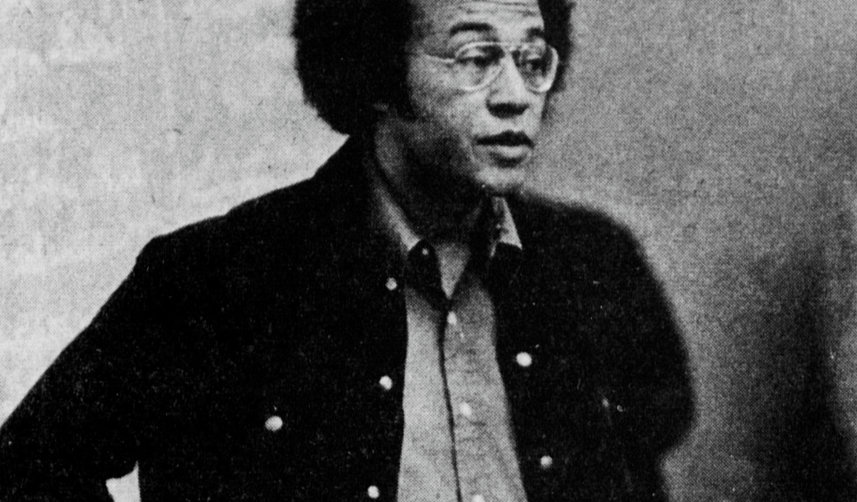
The economist? Donald J. Harris.
The daughter? Kamala Harris.
The issue? Immigration, labor, and who bears the cost when policy meets reality.
And the tension between those three elements is impossible to ignore.
The Warning That Aged Into Controversy
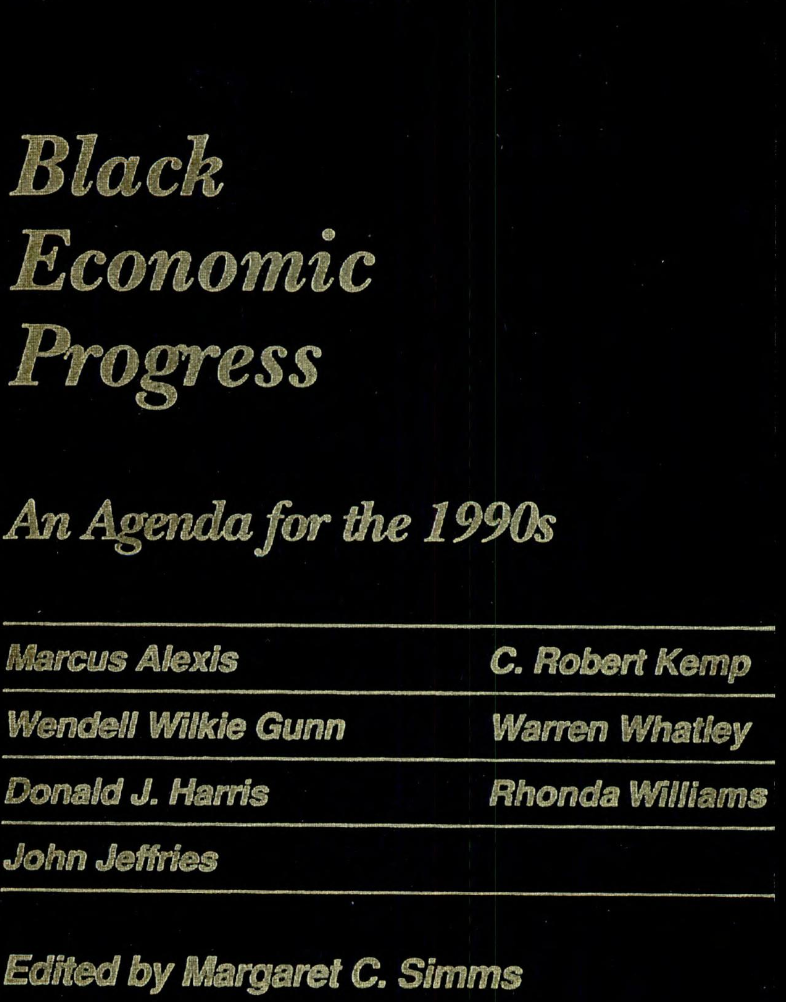
Back in 1988, Donald Harris co-authored an economic analysis that didn’t mince words. He argued that changes to U.S. immigration policy had increased the flow of low-skilled labor, intensifying job competition at the bottom of the economic ladder. The result, he wrote, was a “particularly serious problem for blacks,” who were disproportionately represented among low-skilled workers.
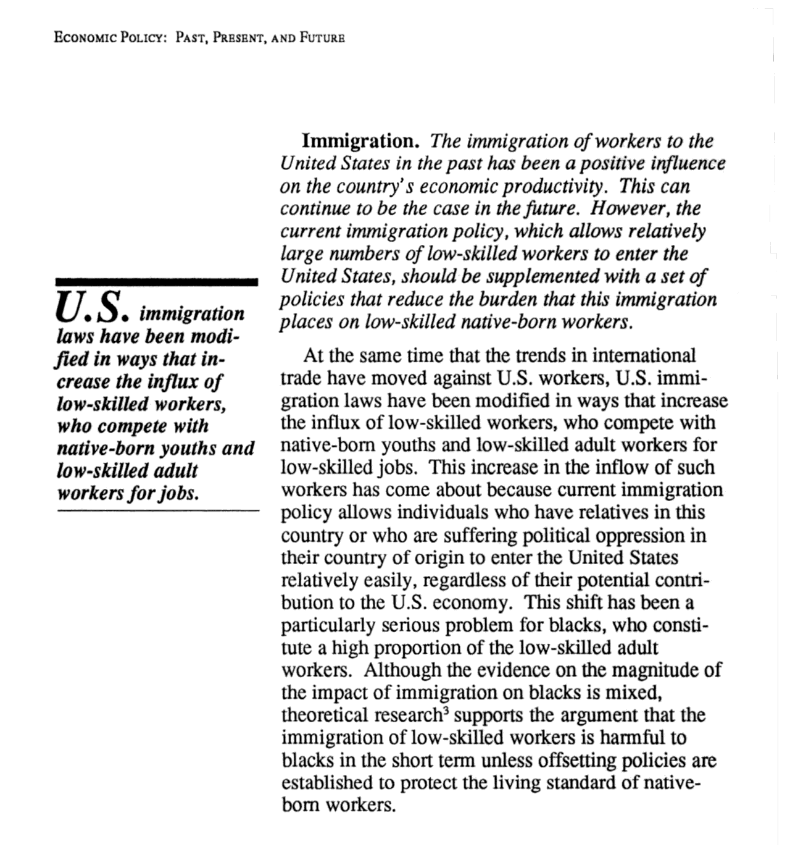
Strip away the politics, and what remains is a classic supply-and-demand argument. When the labor pool expands rapidly at the lower end, wages tend to stagnate or fall. The people already standing in that economic lane feel the squeeze first.
This wasn’t a fringe talking point. It was a structural critique grounded in labor economics.
The Rift Between Theory and Policy
Fast forward to today, and Kamala Harris stands on the opposite side of that argument, supporting pathways to citizenship and broader immigration reforms.
That contrast is more than generational. It reflects two fundamentally different lenses:
- One sees immigration primarily through an economic competition framework
- The other views it through humanitarian, demographic, and political integration
The friction between those views is where this debate lives.
And it’s not just academic. It’s political dynamite.
The Uncomfortable Question
If immigration can increase competition for low-wage jobs, and if Black workers are statistically overrepresented in those sectors due to historical inequities, then a hard question emerges:
Who absorbs the impact?
Even critics of the “immigration harms Black workers” argument acknowledge a key truth: Black workers have historically faced higher unemployment and lower wages due to structural barriers.
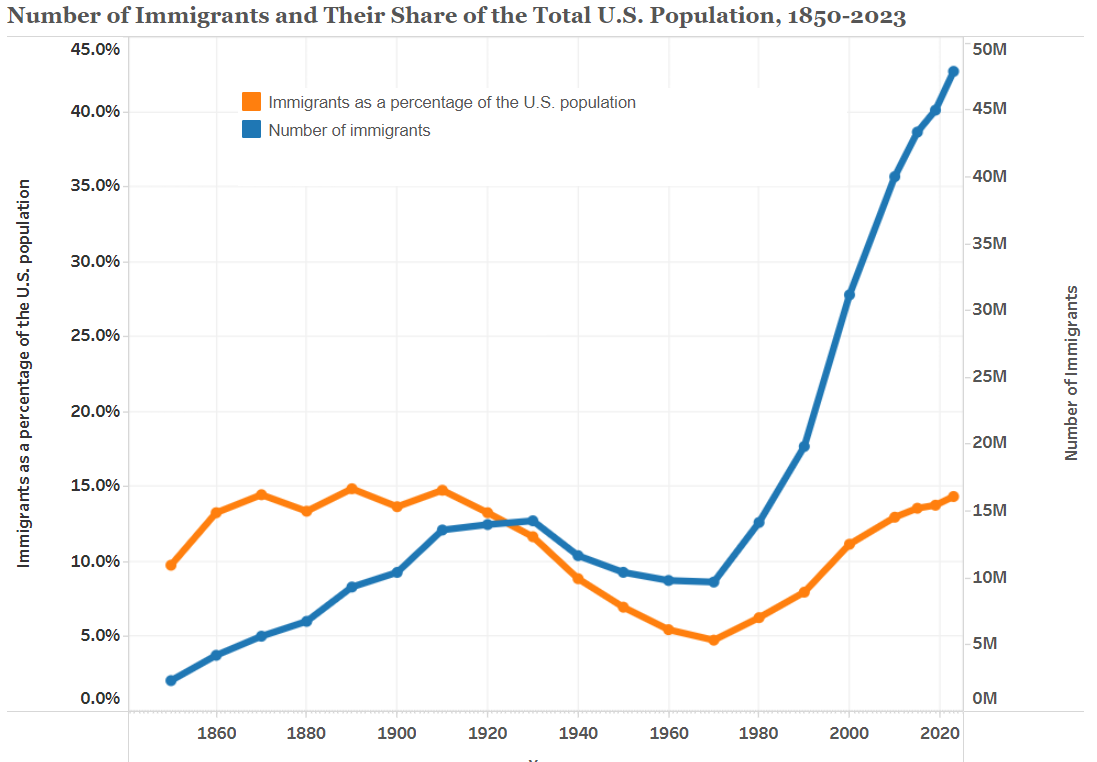
That reality complicates the conversation. It doesn’t automatically validate one policy position over another, but it does make dismissing the concern intellectually lazy.
Donald Harris wasn’t arguing from emotion. He was describing a pressure point in the labor market.
Politics and Selective Listening
Modern politics has a curious habit. It amplifies voices that fit the narrative and quietly shelves those that don’t.
When immigration is framed as purely beneficial, economic trade-offs often disappear from the conversation. When it’s framed as purely harmful, its economic contributions vanish just as quickly.
But the truth lives in the tension.
And that tension becomes sharper when the critique comes from inside the house.
Donald Harris is not a talk show pundit or a campaign surrogate. He is a Jamaican-born economist who built his career studying development and inequality.
Which makes his warning harder to wave away.
A Broader Pattern
This isn’t just about one family or one policy disagreement. It reflects a broader fracture in American political discourse, particularly around Black economic priorities.
Some voters increasingly view immigration through a zero-sum lens, especially in working-class communities where economic mobility already feels like climbing a greased ladder in the rain.
Others reject that framing entirely, arguing that immigration fuels growth, innovation, and long-term prosperity.
Both arguments exist. Both have evidence. And both are often deployed selectively depending on the audience.
The Real Debate We’re Avoiding
The real issue isn’t whether immigration is “good” or “bad.” That’s too blunt a tool for a complex machine.
The real issue is distribution.
- Who benefits from immigration?
- Who bears the costs?
- And who gets ignored in the policy calculus?
Donald Harris, decades ago, pointed to one answer.
Whether his daughter’s policy vision accounts for that concern is a question voters, not historians, will ultimately decide.
—Marcus Davis, B1Daily


 B1Daily
Leave a comment