—Pratima Gadal, B1Daily
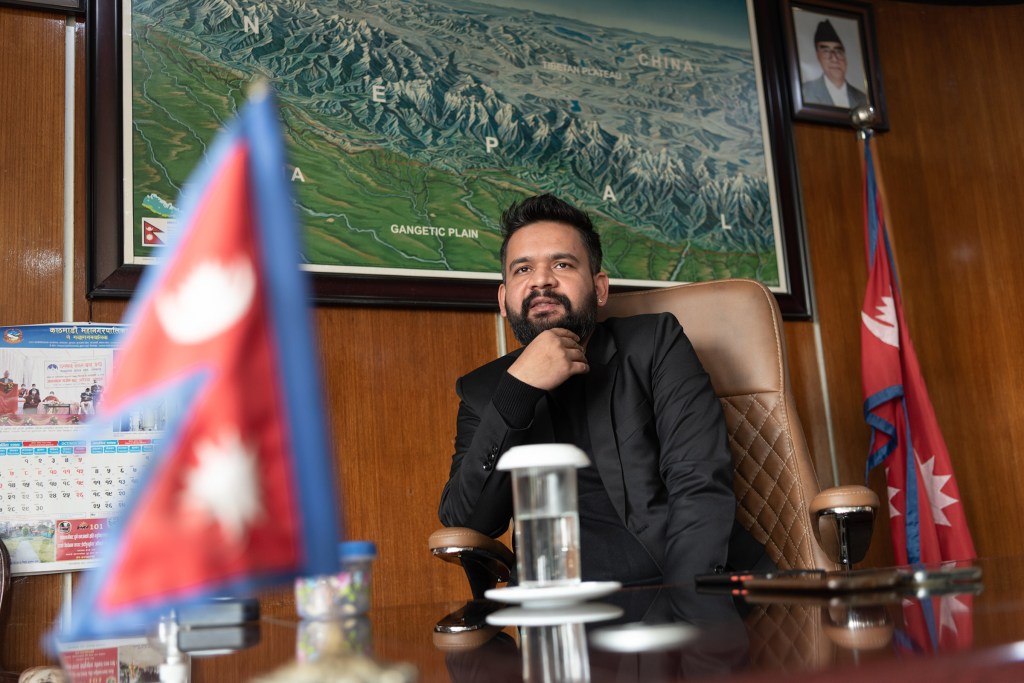
Nepal has taken a step that few governments dare to take, issuing a formal apology to the country’s Dalit community for centuries of caste-based discrimination. Prime Minister Balendra Shah delivered the statement in a move that is being hailed as historic, not just for the acknowledgment itself but for what it signals about the future of justice and reparations in the country. This is more than symbolic; it is an admission that systemic harm was done, and it sets the stage for concrete measures to address that harm.
Dalits, who make up roughly 20 percent of Nepal’s population, have long faced social exclusion, economic marginalization, and outright violence under the shadow of a caste system that once labeled them “untouchable.” Laws banning caste discrimination have existed for years, but enforcement has been uneven, and the scars of generational oppression remain. The Prime Minister’s apology represents the first time the state has openly acknowledged its role in perpetuating these injustices, a moment that activists have described as long overdue.
The apology carries weight because it opens the door to restoration and, potentially, reparations. Recognition of harm creates a moral and political imperative for material compensation. While Nepal has not yet announced specific financial measures, the very act of admitting wrongdoing shifts the conversation from abstract acknowledgment to tangible repair. The announcement comes amid broader reform efforts aimed at social inclusion and justice for marginalized communities, signaling that the government intends to go beyond mere words.
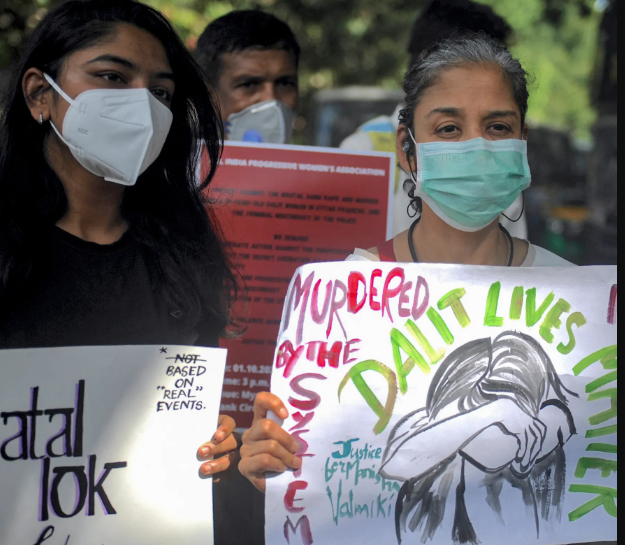
This gesture also reverberates beyond Nepal’s borders. In neighboring India, where caste discrimination remains deeply entrenched, Dalit activists and policymakers are taking note, seeing Nepal’s move as a precedent for their own struggles. It is a reminder that historic apologies can have ripple effects, influencing regional attitudes toward long-standing injustices.
Prime Minister Shah’s decision did not occur in a vacuum. His rise to power followed widespread protests, anti-corruption movements, and a generational demand for accountability, and the apology is part of a broader attempt to signal a break from entrenched systems of discrimination. The government is asserting that it is willing to confront its past openly, even as implementing meaningful change remains a challenge.
Apologies are simple to announce but difficult to act on. Experts and media commentators have emphasized that real change will require consistent enforcement of anti-discrimination laws, expanded access to education and employment, and accountability for those who continue to perpetuate caste-based oppression. Recognition is the first step; the hard work of dismantling systemic inequality is just beginning.
Nepal’s formal apology to Dalits is a line drawn in the sand. It transforms caste discrimination from a social issue that can be ignored to a state-sanctioned injustice that must be addressed. By admitting historical wrongdoing, the government has laid the groundwork for future reparations and structural reforms. How far that door opens, and what the state does next, will determine whether this apology becomes a historic turning point or a symbolic gesture without follow-through.
—Pratima Gadal, B1Daily


 B1Daily
Leave a comment