—Gus Aylen, B1Daily
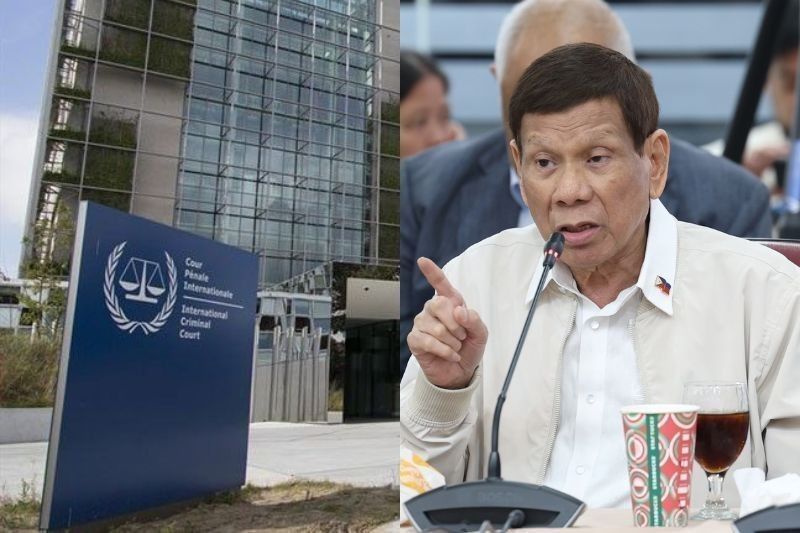
The clock is ticking in The Hague, and for Rodrigo Duterte, April 22 isn’t just another date. It’s a legal crossroads where power, accountability, and political mythology collide head-on.
The International Criminal Court has set that day to rule on Duterte’s challenge to its jurisdiction, a move that could either stall the case against him or slam the door shut on one of his final legal escape routes. ()
Let’s strip this down to what it really is.
Duterte’s defense hinges on a technical argument with massive implications. His legal team insists that because the Philippines formally withdrew from the ICC in 2019, the court no longer has authority over him. It’s a clean argument on paper. Sovereignty. Withdrawal. Case closed.
Except it’s not.
The ICC already rejected that logic once. Judges ruled that the court still maintains jurisdiction over alleged crimes committed while the Philippines was still a member, meaning the timeline matters more than the exit. ()
And that timeline is soaked in controversy.
Duterte’s “war on drugs” wasn’t a policy. It was a campaign that critics say blurred the line between law enforcement and sanctioned violence. Prosecutors allege thousands of civilians were killed, with some estimates stretching into the tens of thousands, as the crackdown unfolded across the country. ()
So when his legal team argues jurisdiction, they’re not just debating paperwork. They’re trying to redraw the boundaries of accountability itself.
Here’s where the economics of power enter the frame.
For years, Duterte governed with a kind of iron-fisted populism that prioritized control over scrutiny. That model works domestically, where institutions can be bent, delayed, or politically influenced. But the ICC operates in a different ecosystem. It’s slower, colder, and far less interested in charisma. It deals in documentation, timelines, and legal thresholds.
And that’s why April 22 matters.
If the Appeals Chamber upholds jurisdiction, Duterte remains firmly within the ICC’s reach, and the case inches closer to full trial. If it doesn’t, the entire prosecution risks unraveling, setting a precedent that leaders can sidestep international accountability simply by exiting treaties at the right time.
That’s the global implication.
But zoom in closer, and this becomes a story about something more familiar: power refusing to answer questions.
Duterte built his brand on defiance. Defiance of critics. Defiance of international pressure. Defiance of human rights narratives that clashed with his hardline image. Now, that same defiance is being tested in a courtroom where rhetoric doesn’t carry weight.
Only evidence does.
And here’s the uncomfortable reality for his supporters and critics alike: this case was never just about one man. It’s about whether state leaders can weaponize policy without consequence, then retreat behind legal technicalities when the bill comes due.
April 22 won’t deliver a final verdict on guilt or innocence.
But it will answer a more foundational question.
Can power outrun accountability, or does it eventually run out of road?
The ICC is about to decide.
—Gus Aylen, B1Daily



 B1Daily
Leave a comment