—Michael Lyles, B1Daily
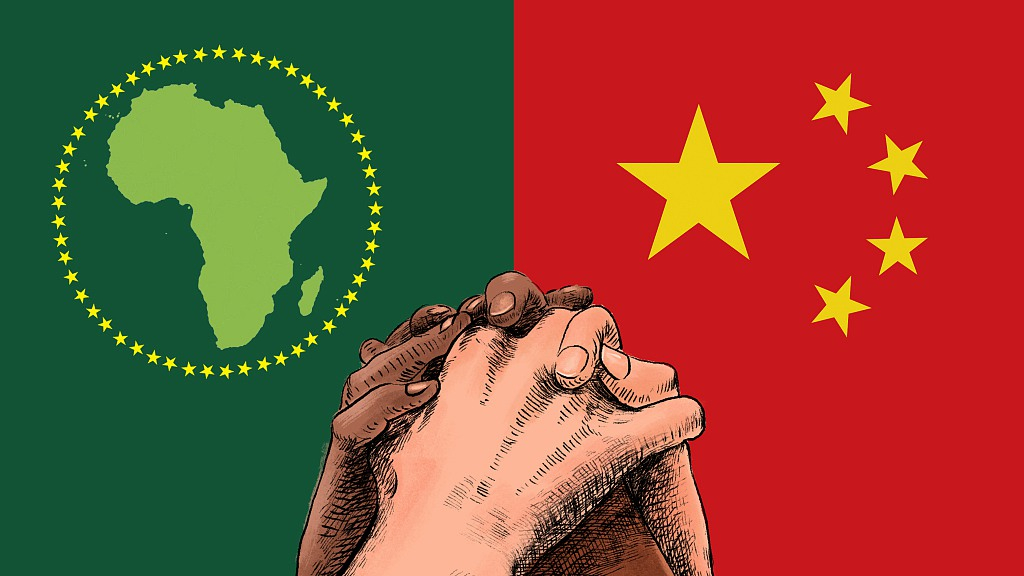
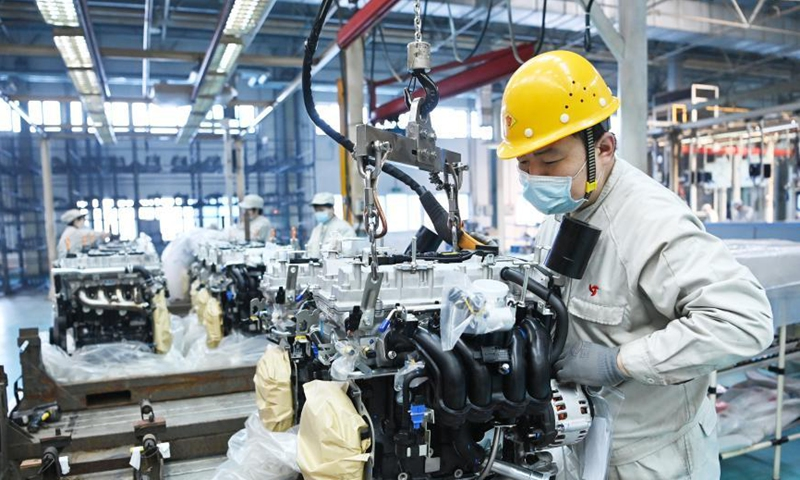
China, a single nation, commands more manufacturing capacity than the entire continent of Africa. Not more than a region. Not more than a bloc. More than fifty-plus countries combined. That’s not just a gap, it’s an economic canyon.
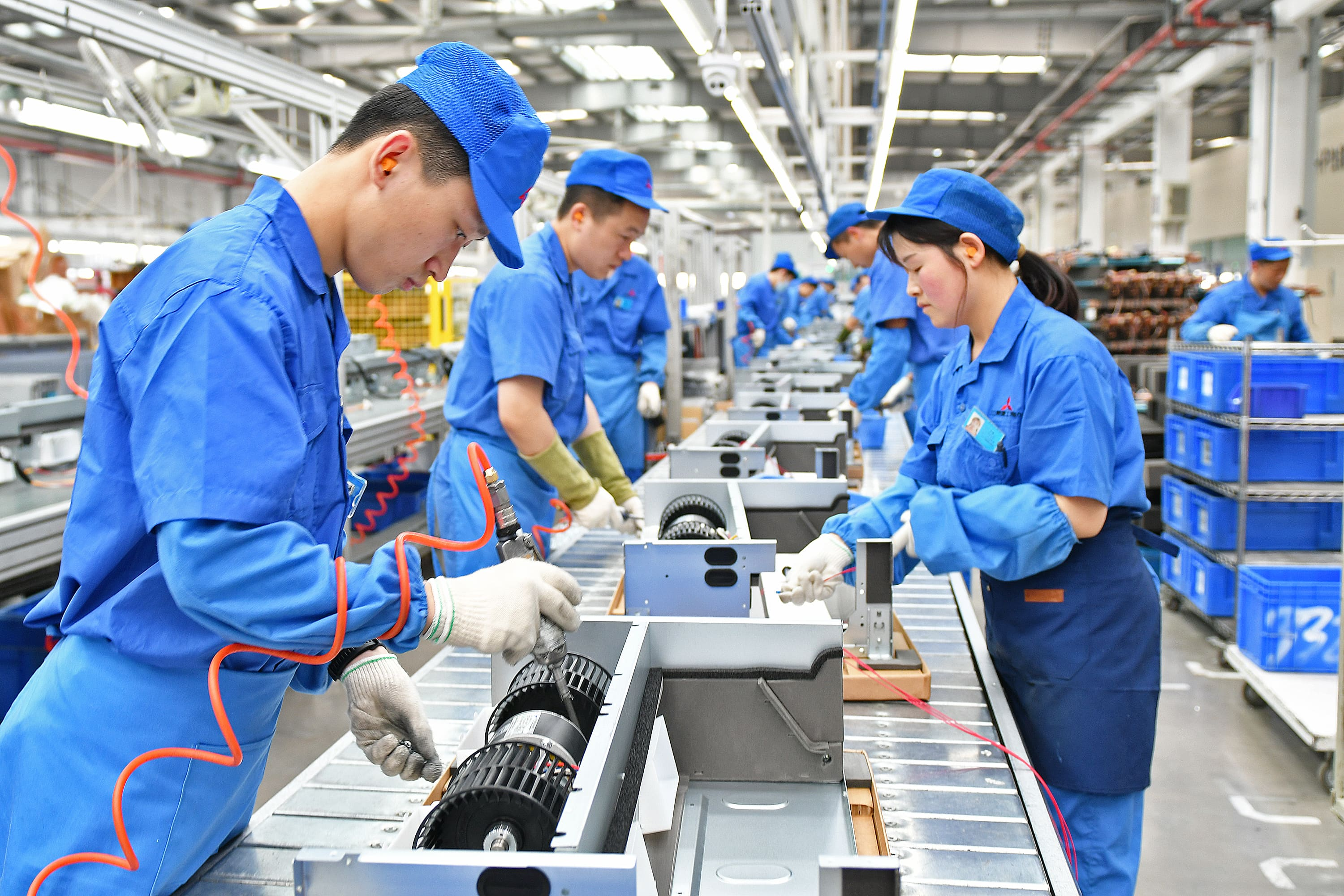
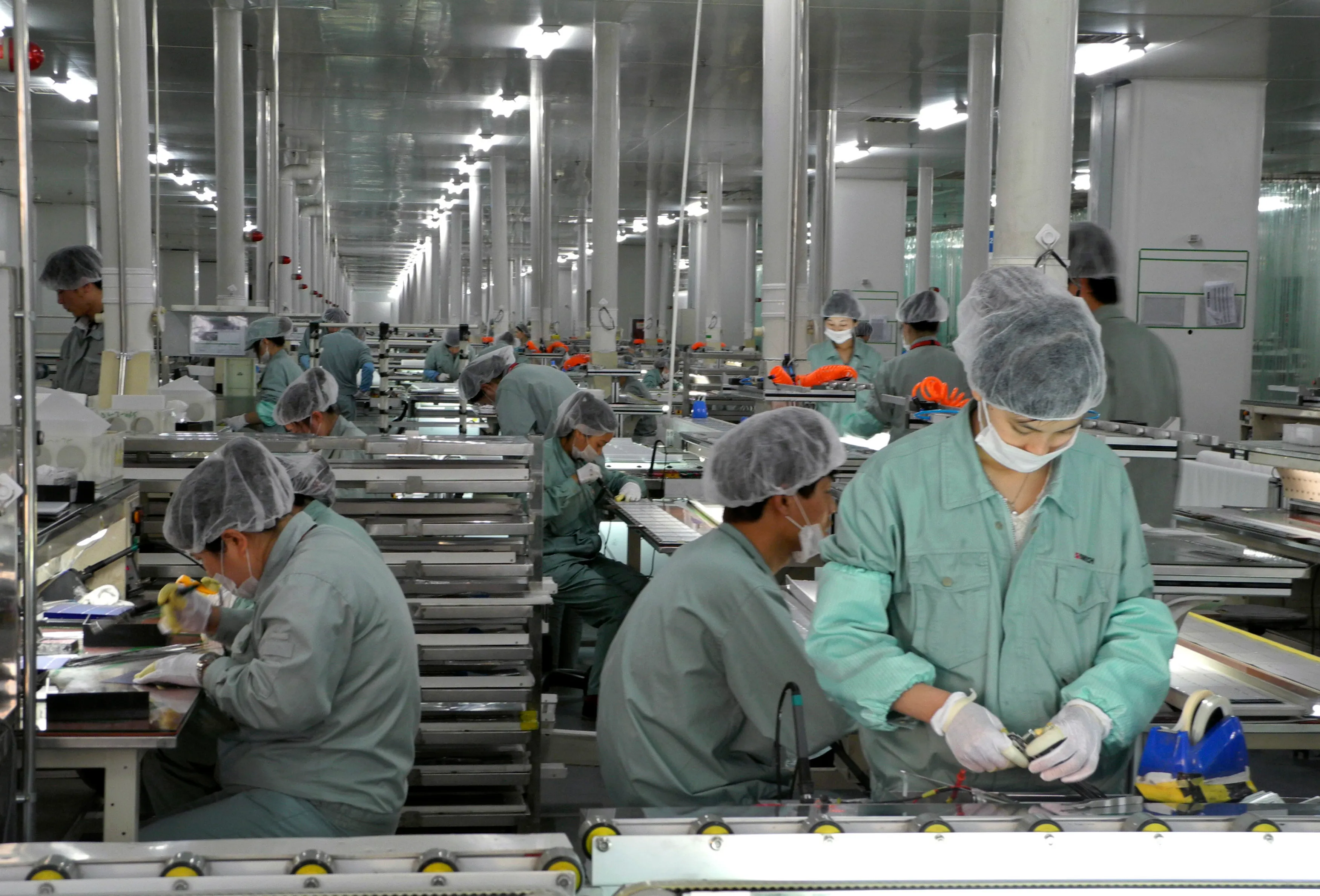
China didn’t stumble into this dominance. It engineered it with the precision of a well-tuned assembly line. For decades, Beijing treated manufacturing not as one sector among many, but as the backbone of national power. Special economic zones became experimental labs for capitalism with Chinese characteristics. Infrastructure wasn’t debated, it was deployed at scale. Ports, highways, rail systems, and power grids formed an industrial nervous system capable of moving raw materials in and finished goods out with relentless efficiency.
Meanwhile, Africa’s story is more fragmented. The continent is rich in raw materials, labor potential, and demographic momentum, but its manufacturing ecosystem often resembles a patchwork rather than a unified engine. Many nations remain locked in extractive economic models, exporting raw commodities only to import finished goods at a premium. It’s the economic equivalent of selling flour and buying back bread at ten times the price.
China, a single nation, commands more manufacturing capacity than the entire continent of Africa.
From a systems perspective, the difference lies in integration. China built vertically and horizontally aligned supply chains. Components are sourced domestically or within tightly linked regional networks, assembled in clusters, and shipped through world-class logistics corridors. Africa, by contrast, frequently faces disjointed supply chains, inconsistent energy access, and regulatory fragmentation that turns even simple manufacturing processes into logistical marathons.
Energy alone tells part of the story. Industrial production feeds on reliable electricity, and China built power generation capacity like it was laying bricks. In many African nations, power shortages and grid instability act as silent production killers, shutting down factories before they can scale. You can’t run a 24-hour manufacturing cycle on a flickering grid.
Labor dynamics further complicate the equation. Africa has a young and rapidly growing workforce, a potential demographic dividend. But without large-scale industrial absorption, that workforce remains underutilized. China, during its rise, synchronized labor migration from rural to urban areas with factory expansion, effectively turning population into productivity.
There’s also the gravitational pull of global supply chains. Multinational corporations didn’t just choose China for low wages; they chose it for predictability, infrastructure, and ecosystem density. Once supply chains anchor in a region, they tend to stay, creating a feedback loop where success breeds more success. Africa, despite its potential, is still fighting to become that anchor point.
Ironically, China’s dominance now presents both a challenge and an opportunity for Africa. Rising labor costs in China and geopolitical tensions are pushing companies to diversify manufacturing bases. This “China plus one” strategy could open doors for African economies willing to industrialize aggressively. But opportunity without execution is just theory wearing a suit.
The path forward for Africa isn’t to mimic China line for line, but to internalize the core lesson: manufacturing scale is built, not wished into existence. It requires coordinated policy, massive infrastructure investment, regional trade integration, and a willingness to prioritize long-term industrial growth over short-term political wins.
Because until that shift happens, the global economy will continue to echo with the same imbalance, one nation producing at a scale that an entire continent has yet to match. And in economics, scale isn’t just power.
—Michael Lyles, B1Daily



 B1Daily
Leave a comment