—Barrington Williams, B1Daily
In the late 1960s, when America’s cities were cracking under the weight of unrest, neglect, and inequality, something remarkable began to hum through the streets of Pittsburgh. It wasn’t just the wail of sirens. It was the sound of a revolution on wheels.
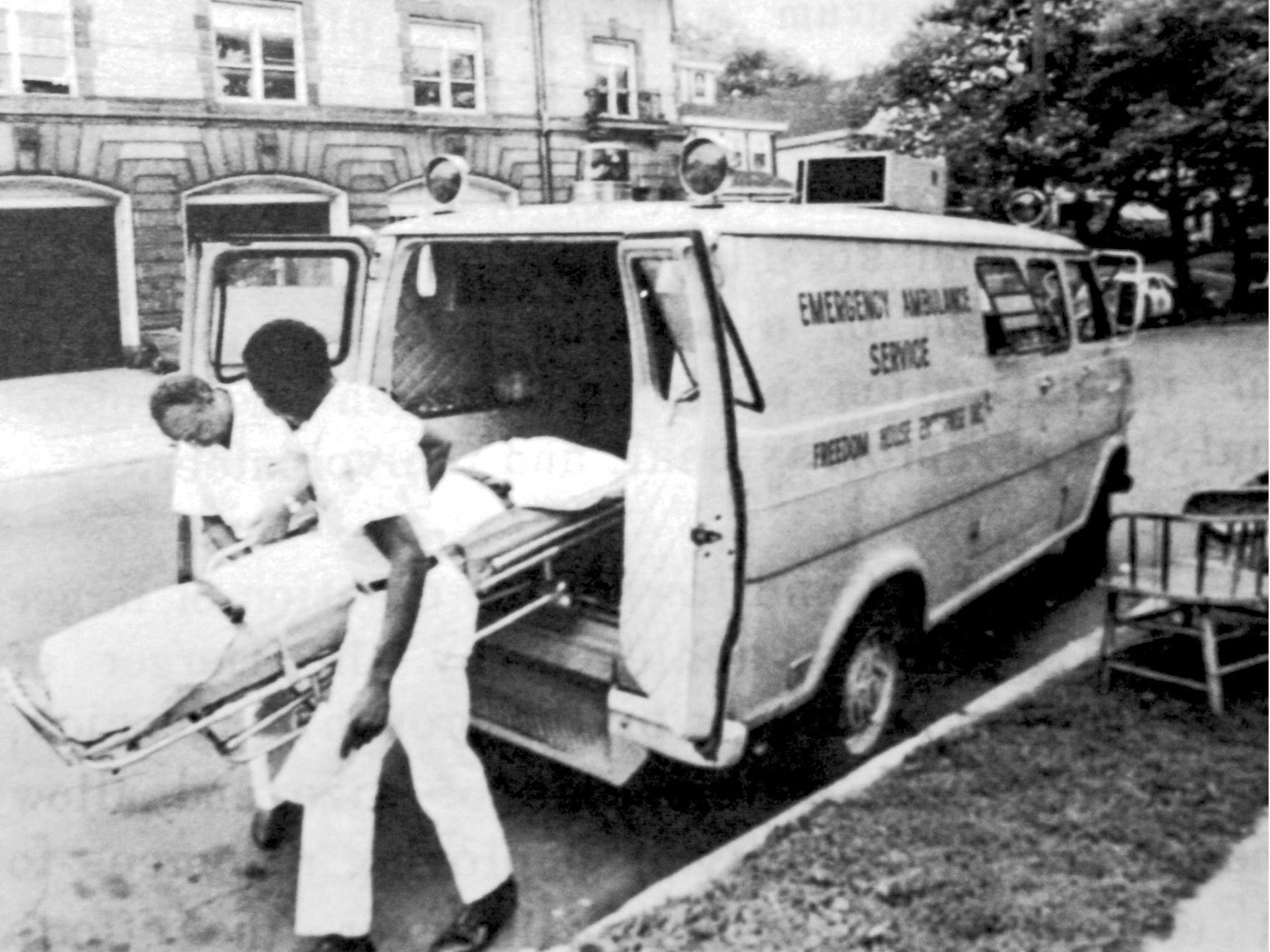
The Freedom House Ambulance Service didn’t just respond to emergencies, it redefined what emergency care even meant. Before its arrival, ambulance services across much of the United States were, bluntly, a mess. In many cities, the job fell to funeral homes or minimally trained drivers whose role was closer to transport than treatment. If you got hurt, your odds depended less on medicine and more on luck.
Freedom House changed that equation with precision and purpose.
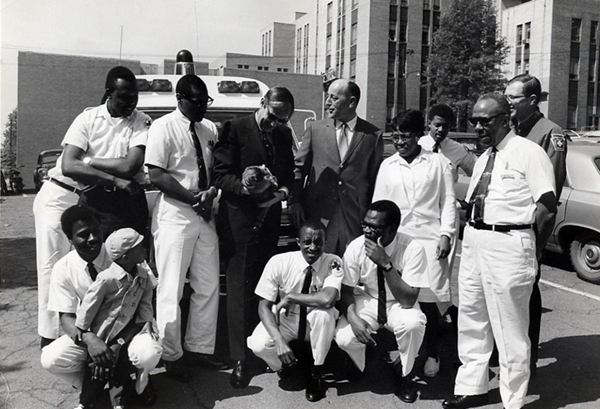
Staffed largely by Black men from underserved neighborhoods, many of whom had been shut out of traditional employment opportunities, the program did something radical. It trained them to become some of the most skilled emergency medical technicians in the country. Not basic responders. Elite ones. They learned advanced life support techniques, cardiac care, airway management, and trauma response at a level that was virtually unheard of at the time.
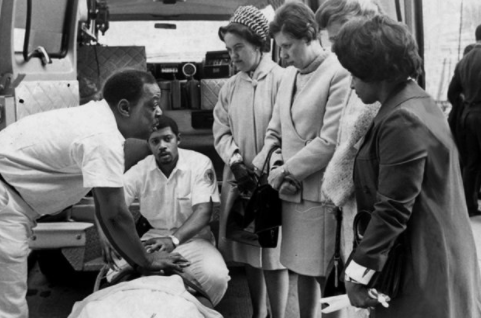
This wasn’t accidental. The program was shaped with guidance from medical innovators, including Peter Safar, whose vision for modern resuscitation and emergency care found a real-world testing ground in these crews. What emerged was not just a service, but a prototype for the modern EMS system.
And here’s the part that still echoes.
These Black EMTs weren’t just keeping pace with national standards. They were setting them. They brought medical care directly to the scene, stabilizing patients before they ever reached a hospital. Today, that sounds obvious. Back then, it was revolutionary. They turned ambulances into mobile treatment units, shrinking the distance between crisis and care.
For Black America, the impact ran deeper than innovation. In an era when systemic racism limited access to both quality healthcare and meaningful employment, Freedom House stood as proof of concept and defiance rolled into one. It showed that given resources and training, Black communities could not only meet the highest standards, but exceed them.
It also challenged dangerous narratives. These were men often dismissed by society, now performing high-stakes medical interventions under pressure, saving lives in neighborhoods that had long been underserved and overlooked. They weren’t just responding to emergencies; they were rewriting expectations.
For the broader United States, the ripple effects were massive. The Freedom House model influenced the development of paramedic programs nationwide. Standards improved. Training expanded. The idea that emergency responders should deliver immediate medical care became foundational. Modern EMS systems owe a quiet but profound debt to those early crews navigating Pittsburgh’s streets.
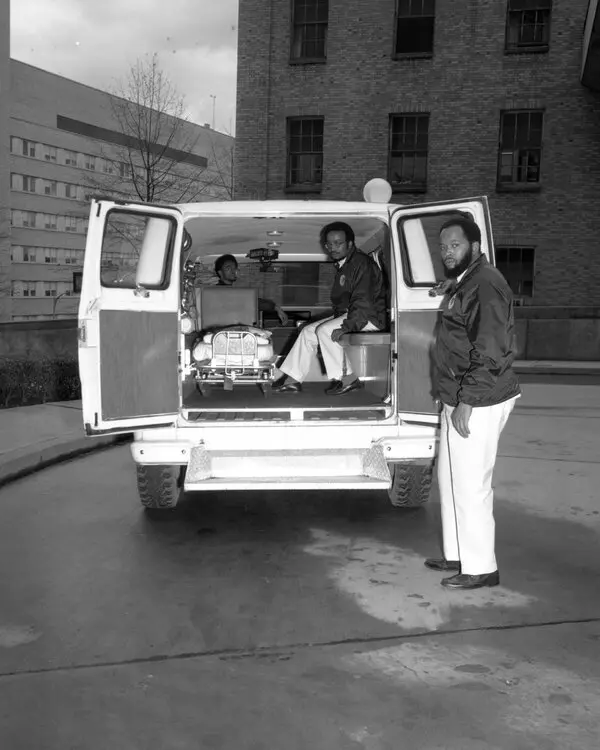
And yet, like many groundbreaking Black-led initiatives, Freedom House didn’t receive the institutional support it deserved. Despite its success, it was eventually shut down in the mid-1970s as the city transitioned to a new EMS system. Progress, it seems, was welcome, but not always the people who created it.
Still, its legacy refuses to fade.
Every time an ambulance arrives equipped with trained paramedics ready to stabilize a patient on the spot, there’s a thread that leads back to Freedom House Ambulance Service. Every life saved through rapid, skilled intervention carries a whisper of that original blueprint.
This wasn’t just a medical milestone. It was a cultural one. A statement that innovation doesn’t belong to one group, one institution, or one narrative. It can emerge from the margins and reshape the center.
The sirens that once echoed through Pittsburgh didn’t just signal emergencies. They signaled a shift, one that proved Black ingenuity could not only survive in America’s toughest conditions, but redefine the systems meant to save us all.
—Barrington Williams, B1Daily


 B1Daily
Leave a comment