—Barrington Williams, B1Daily
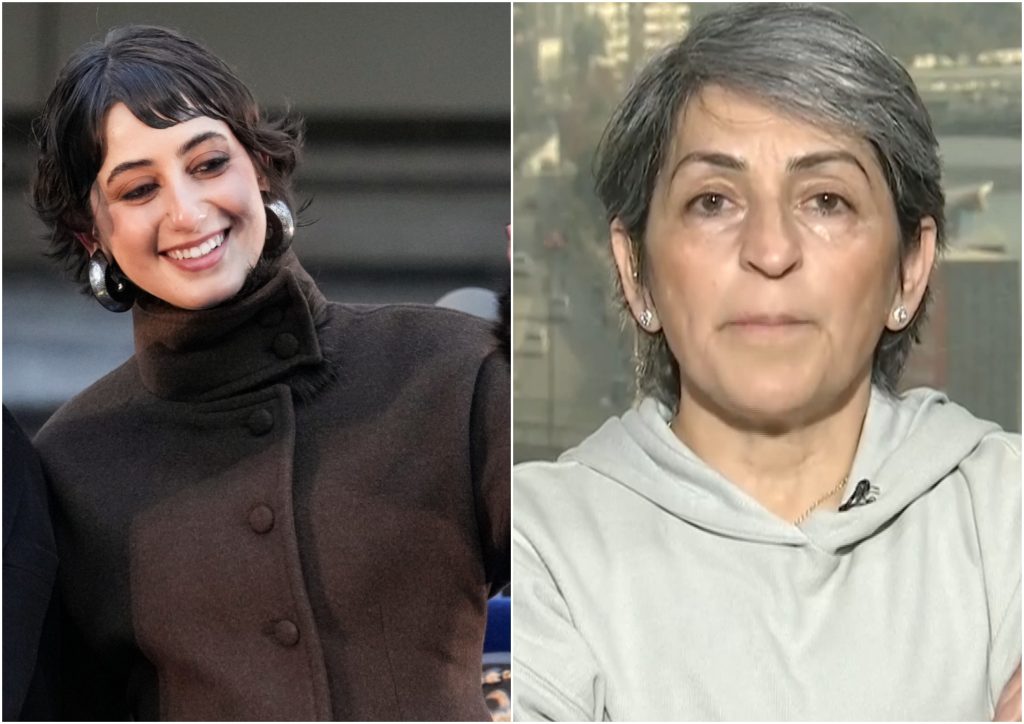
The backlash surrounding Rama Duwaji has now crossed borders, and not metaphorically. Reports that Israel has barred her entry over alleged antisemitic rhetoric mark a sharp escalation in a controversy that has been simmering for weeks. But if anyone expected contrition to follow consequence, they’re still waiting. And waiting. And waiting.
Because here’s the part that refuses to fade into the background noise: more than a month after being called out for using the n-word, Duwaji has yet to issue anything resembling a real apology. Not a clarification. Not a “taken out of context” post. Nothing. Silence, in this case, isn’t neutral. It reads like defiance dressed up as avoidance.
From a public accountability standpoint, this is where the situation curdles. Allegations of antisemitic speech serious enough to prompt action from a foreign government would already be a reputational earthquake. Layer on top of that an unresolved racial slur controversy, and you don’t just have a crisis, you have a pattern that critics argue speaks louder than any press statement ever could.
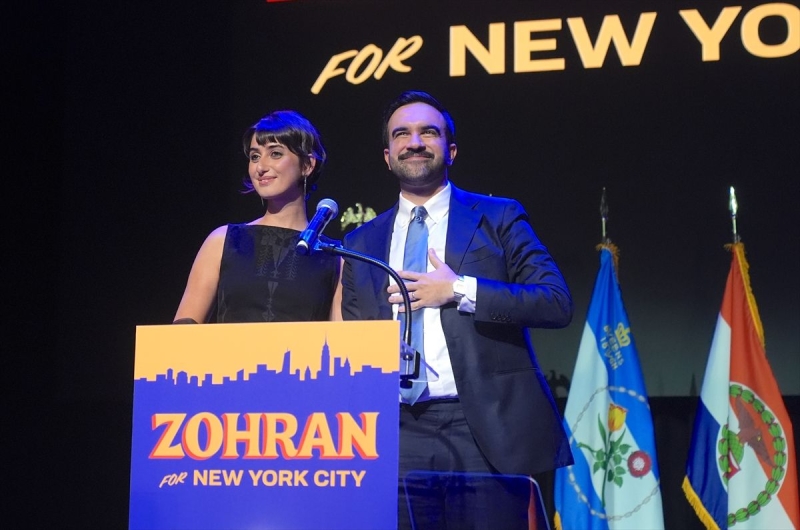
And then there’s Zohran Mamdani, whose name continues to surface in the discourse, not for what he’s said, but for what he hasn’t. In the ecosystem of modern political and activist circles, silence can function like an endorsement by omission. For observers expecting a clear stance or condemnation, the absence of one has only intensified scrutiny.
Supporters of Duwaji may frame the situation as a clash of political speech and international sensitivities. Critics, however, see something less abstract and far more direct: a refusal to take responsibility when lines are crossed. And in an era where public figures are expected to navigate complex cultural and social landscapes with at least a baseline level of awareness, that refusal lands with a thud.
There’s also a broader tension at play here, one that keeps resurfacing in different forms. The line between advocacy and rhetoric isn’t just philosophical, it has real-world consequences. Countries respond. Platforms react. Audiences remember. Words, once released, don’t just disappear into the digital ether. They calcify into reputation.
What makes this moment particularly combustible is the layering of controversies without resolution. The alleged antisemitic remarks, the travel ban, the unresolved use of a racial slur, and the conspicuous silence from allies all stack into a narrative that feels less like a misstep and more like an ongoing refusal to engage with accountability.
And that’s the crux of it. This isn’t just about what was said. It’s about what hasn’t been said since. No apology. No reckoning. Just a growing list of consequences and a louder chorus of voices asking the same question: how long can silence substitute for responsibility before it becomes the loudest statement of all?
—Barrington Williams, B1Daily

 B1Daily
Leave a comment