—Terrence Dorner, B1Daily
In the scrublands and fractured frontlines of Burkina Faso, the language of war has grown dangerously imprecise.
What the ruling junta calls counterterrorism, many on the ground describe as something else entirely. Entire Fulani communities are being treated not as civilians in a conflict zone, but as suspects by default, their villages turned into targets under a doctrine that blurs security with suspicion.
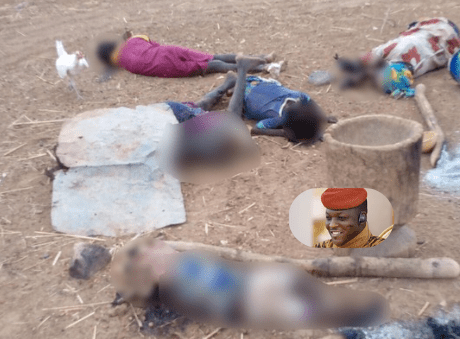
Since the 2022 coup that elevated Ibrahim Traoré, the state’s military posture has hardened into a relentless campaign against insurgent groups tied to the broader Jihadist insurgency in Burkina Faso. But on the tactical level, that campaign has increasingly drifted into a pattern of operations that resemble collective punishment, particularly against the Fulani, a largely pastoral ethnic group long stigmatized by authorities as sympathetic to jihadist factions.
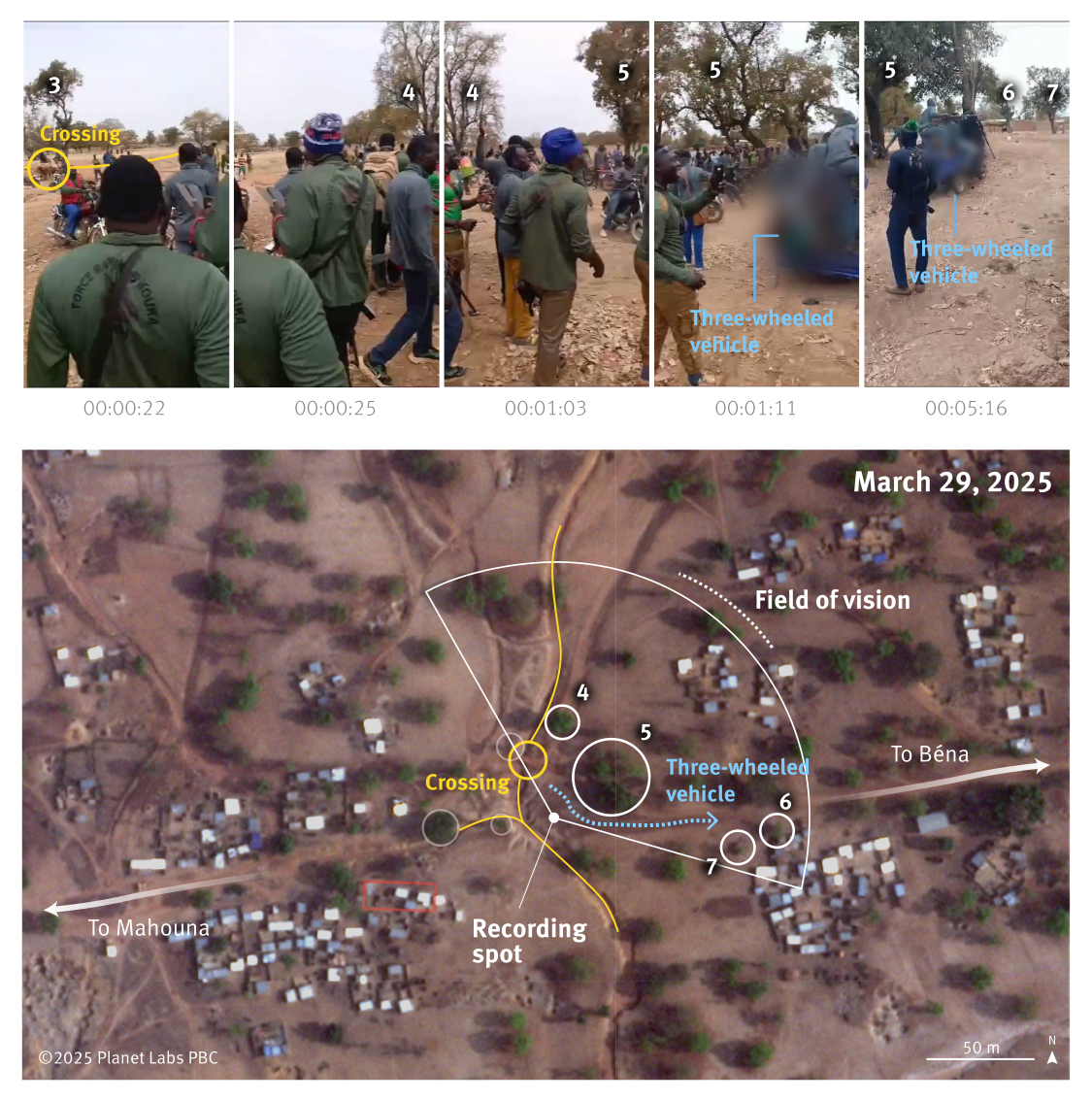
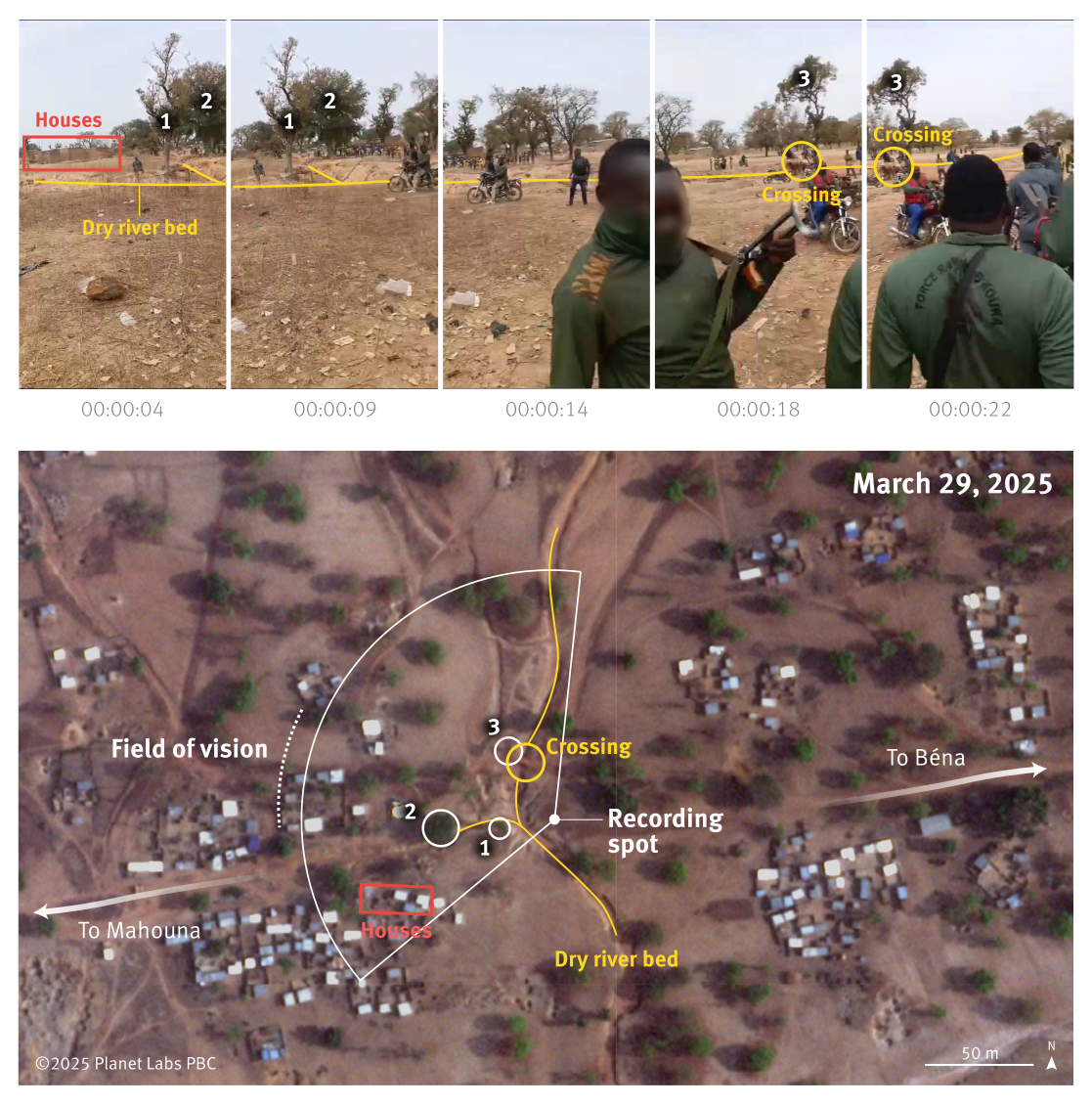
The mechanics of these operations are stark. Units from the national army, often supported by irregular militias known as Volunteers for the Defense of the Homeland, sweep into rural zones flagged as insurgent-adjacent. Intelligence is frequently thin, built on rumor, ethnicity, or proximity rather than verifiable threat assessment. What follows, according to multiple human rights investigations, is not targeted engagement but wide-area violence.
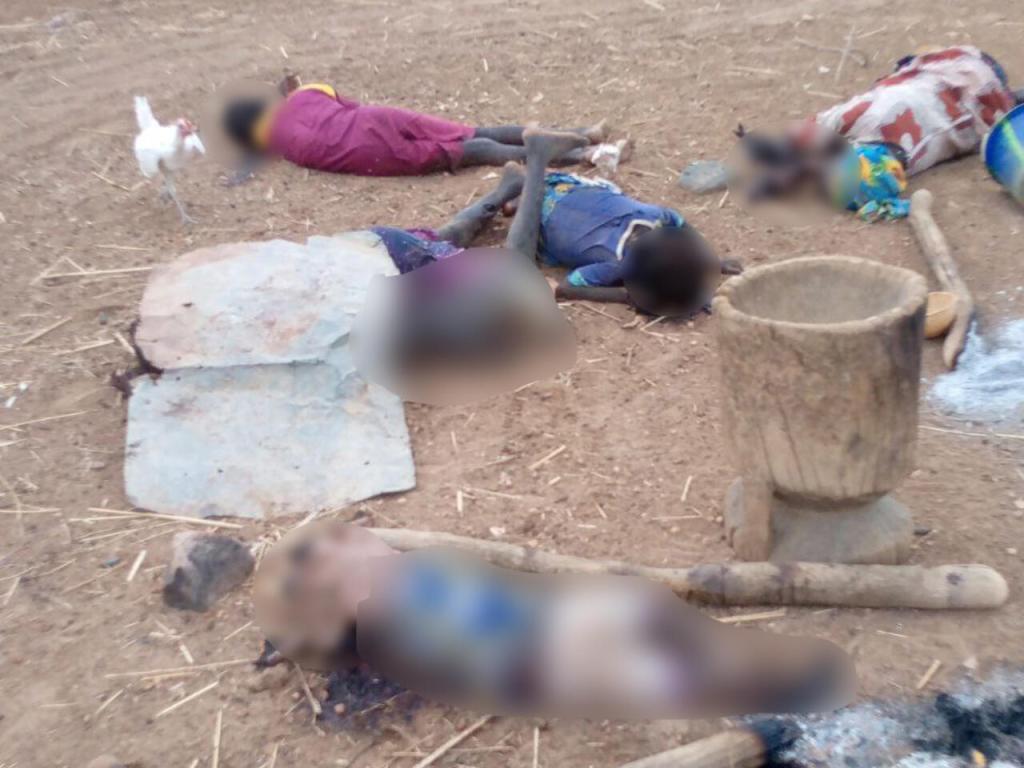
Villages are encircled. Men and boys are separated, accused, and executed. Homes are burned, livestock seized or slaughtered, and survivors scattered into displacement camps or deeper into contested terrain. The pattern has repeated itself across northern and eastern provinces with chilling consistency.
From a military analysis standpoint, this approach represents a collapse of distinction, one of the core principles of armed conflict that separates combatants from civilians. When that line dissolves, so does legitimacy. And without legitimacy, counterinsurgency becomes strategically self-defeating.
Because every operation that kills civilians undercuts the very objective it claims to serve.
The Fulani, already marginalized economically and politically, have found themselves pushed into an impossible calculus. Remain neutral and risk being targeted by state forces. Seek protection from insurgents and risk being labeled collaborators. In this environment, neutrality becomes a liability, and insurgent groups exploit that vacuum with precision, offering protection, however coercive, in exchange for allegiance.
This is how insurgencies grow. Not just through ideology, but through grievance.
Reports from organizations like Human Rights Watch have documented incidents where hundreds of civilians, many of them Fulani, were killed in single operations attributed to government forces. These are not isolated breakdowns in discipline. They are indicative of a broader operational posture that prioritizes territorial denial over civilian protection.
From a purely defensive perspective, it’s a blunt instrument in a conflict that demands surgical precision.
The junta’s defenders argue that the battlefield in Burkina Faso is uniquely complex, that insurgents embed within civilian populations, and that rapid, aggressive action is necessary to reclaim ground. There is truth in the difficulty of the terrain and the fluidity of the enemy. But difficulty does not nullify doctrine. If anything, it demands stricter adherence to it.
Because when a military begins to treat an entire ethnic group as a threat vector, it stops fighting an insurgency and starts manufacturing one.
Strategically, the consequences are already visible. Large swaths of the country remain outside effective government control.
Displacement has surged. Intelligence from local populations, once a critical asset in counterinsurgency, has dried up in areas where trust has been replaced by fear. The state, in trying to crush the insurgency, risks eroding the very foundation it needs to defeat it.
This is the paradox now defining Burkina Faso’s war.
A government that claims to be restoring security is, through its methods, destabilizing its own rear.
A military campaign aimed at eliminating jihadist threats is simultaneously feeding the conditions those groups thrive on. And a population caught in the middle, particularly the Fulani, is paying the price in lives, homes, and the quiet erosion of any remaining sense of safety.
History has seen this pattern before. Counterinsurgencies that abandon restraint rarely end in victory. They end in cycles, where each act of violence seeds the next.
In Burkina Faso, that cycle is no longer theoretical. It is unfolding in real time, village by village, decision by decision, with consequences that will outlast the current regime.
And in that unfolding, one truth becomes increasingly difficult to ignore.
You cannot secure a nation by turning its own people into the battlefield.
—Terrence Dorner, B1Daily

 B1Daily
Leave a comment