
—Marcus Davis, B1Daily
There is a hideous white supremacist operated pipeline in America that doesn’t get televised the way police shootings do, doesn’t trend the way elections do, but moves with a cold, mechanical precision all the same.
It begins in classrooms, winds through discipline systems, and too often ends behind locked doors where childhood is treated like a crime scene.
For Black children, that pipeline isn’t theoretical. It’s statistical. It’s lived.
Across the United States, Black youth are dramatically overrepresented in juvenile detention and secure facilities. Though they make up a small percentage of the youth population, they account for nearly half of those incarcerated in juvenile systems, and are over five times more likely to be locked up than their white peers.
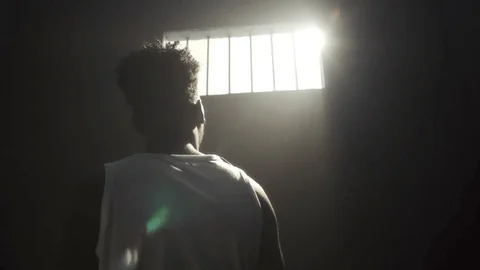
That disparity isn’t an accident. It’s architecture.
Inside these facilities, the conditions paint a picture that’s hard to square with the word “rehabilitation.” Federal investigations have uncovered environments where children are subjected to excessive force, prolonged isolation, and even sexual abuse. In some cases, solitary confinement stretches for days, children pepper-sprayed as a first response to misbehavior, their trauma compounded rather than treated.
This is not intervention. It’s containment.
And it starts earlier than most want to admit.
Pretrial detention, often used before a child is even formally adjudicated, accounts for the majority of juvenile detention admissions. Once inside, the consequences cascade. Youth who are detained are more likely to receive harsher sentences, more likely to be removed from their homes, and more likely to reoffend.
Detention doesn’t just reflect the system. It reshapes the child.
For Black youth, the system tightens faster and earlier. Studies show they are consistently more likely to be detained than white youth, even when controlling for similar offenses and circumstances. The result is a feedback loop where exposure to the justice system increases the likelihood of deeper involvement.
That loop has a name.
The school-to-prison pipeline.
It begins with disproportionate discipline in schools. Black students are more likely to be suspended, expelled, or referred to law enforcement for the same behaviors as their peers. Once labeled “problematic,” the system treats them accordingly. Minor infractions escalate. School discipline becomes criminalization. And eventually, the line between student and inmate dissolves.
By the time many of these children reach juvenile detention centers, they are no longer seen as kids in need of support. They are processed as risks to be managed.
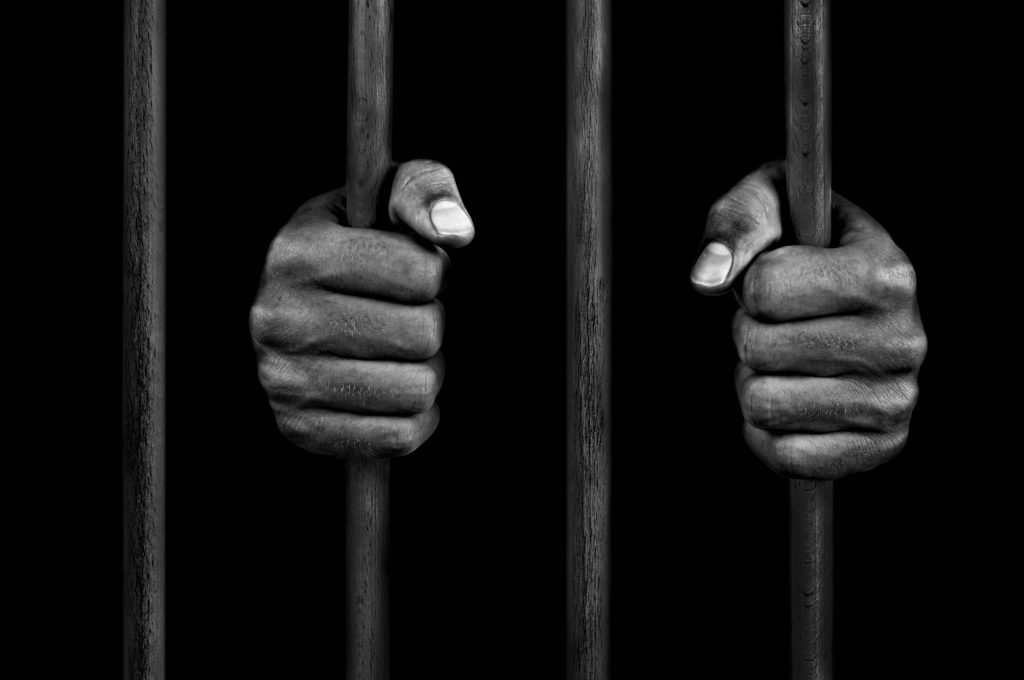
And the facilities themselves reinforce that transformation.
Locked units. Surveillance. Control over movement, speech, even silence. In many cases, access to education, mental health care, and basic developmental support is inconsistent or inadequate. Instead of addressing trauma, the system often deepens it, exposing youth to violence, isolation, and institutional neglect.
This is where the pipeline hardens into something permanent.
Because contact with juvenile detention significantly increases the likelihood of adult incarceration. What begins as a temporary placement can become a lifelong trajectory. A record. A stigma. A narrowed future.
The system doesn’t just punish behavior. It predicts destiny.
And for Black children, that prediction is far too often incarceration.
What makes this crisis especially dangerous is its normalization. It operates without the spectacle that forces accountability. No viral video. No singular moment. Just a steady flow of young lives being redirected, quietly, into cages dressed up as care.
There is no serious conversation about criminal justice reform that can ignore this foundation. Because the pipeline doesn’t start in adulthood. It starts in childhood, in classrooms, in courtrooms, in decisions made long before a child understands the consequences.
And by the time the system calls them offenders, it has already failed them as children.
—Marcus Davis, B1Daily




 B1Daily
Leave a comment