—Barrington Willams, B1Daily
In modern American politics, attention is currency. Where leaders choose to shine that spotlight often reveals as much as their policies themselves. And right now, few debates illustrate that tension more clearly than the competing narratives around immigration and domestic child welfare.
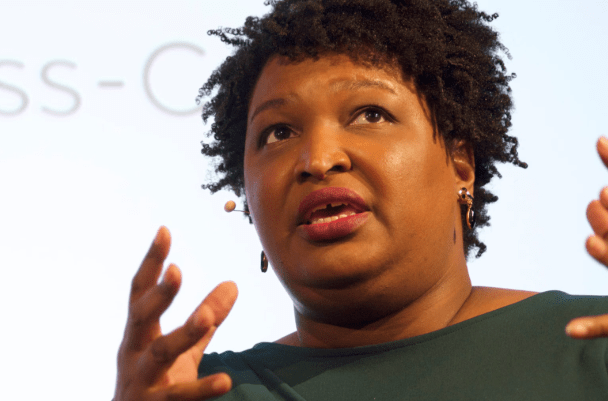
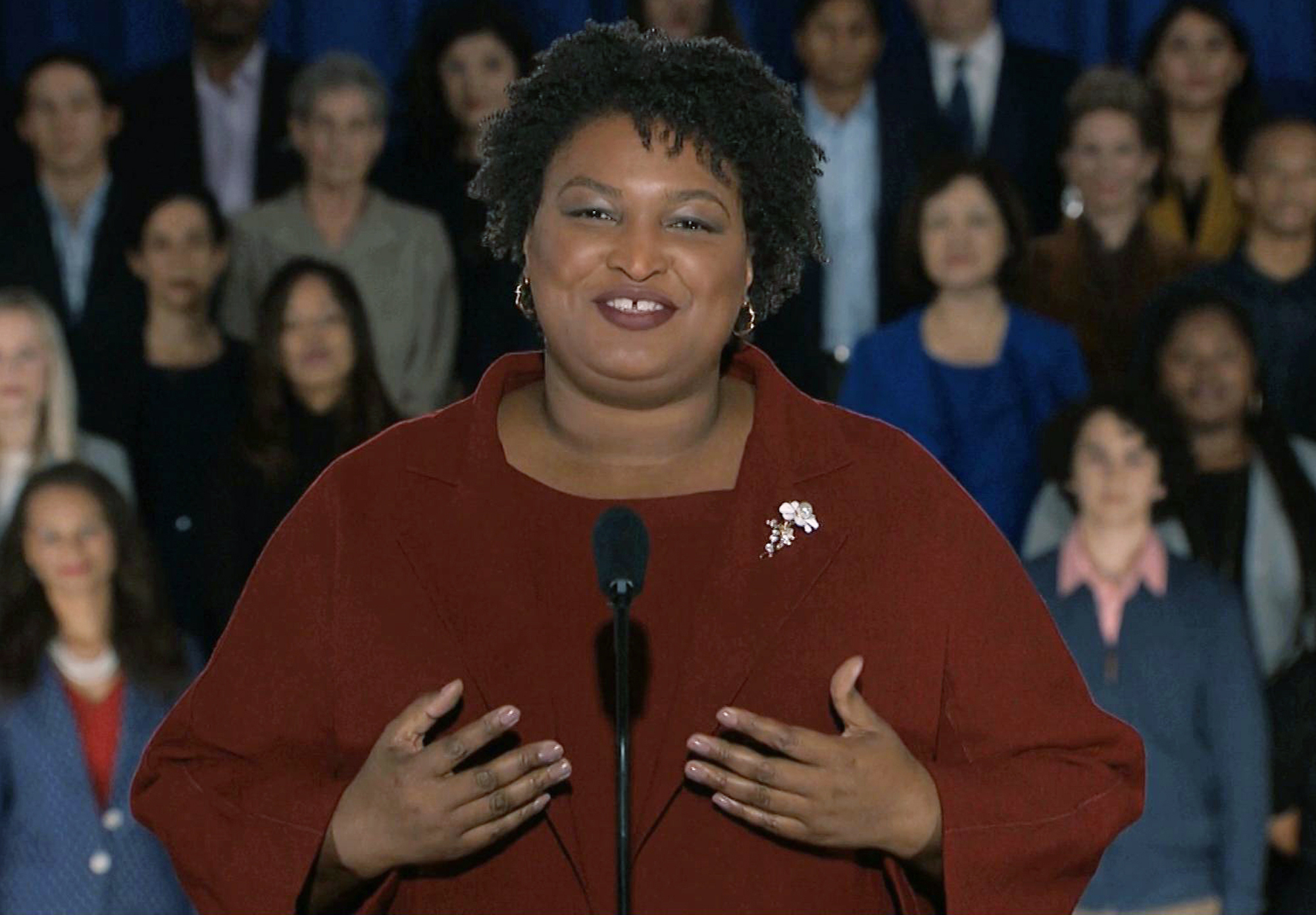
Stacey Abrams has recently been highly visible in advocacy surrounding migrant children held in U.S. detention facilities. In public statements and campaigns, she has described conditions in places like the Dilley, Texas detention center as “immoral” and called for urgent action to end child detention practices. These appearances, amplified across media and social platforms, position her squarely within a broader Democratic push to humanize immigration policy through the lens of children.
But politics is as much about omission as it is about emphasis.
Critics argue that while Abrams has been vocal on immigration-related child welfare, there is far less public attention from her camp directed toward systemic issues affecting children already inside the United States, particularly those in foster care systems. Across the country, and especially in Black communities, foster care remains a deeply strained institution, marked by underfunding, instability, and disproportionate representation of Black children.
That imbalance in attention has fueled a growing critique: that political energy is being selectively deployed.
To be clear, this is not a question of whether migrant children deserve advocacy. The documented conditions in detention centers have drawn concern from multiple human rights groups and policymakers. The issue is whether the political bandwidth devoted to one crisis inadvertently sidelines another that is equally urgent but less visible.
Because the numbers tell a sobering story.
Black children are overrepresented in foster care systems across the United States, often entering due to structural factors tied to poverty, housing instability, and limited access to social services. These are not isolated failures but systemic ones, unfolding quietly without the same national spotlight or viral urgency.
And that’s where the tension sharpens.
Political figures like Abrams operate within a landscape where visibility drives momentum. Immigration, particularly under contentious federal policies, offers a stage that is immediate, emotionally resonant, and nationally charged. Foster care reform, by contrast, is slower, more complex, and often buried in state-level bureaucracy.
One generates headlines. The other demands long-haul policy work.
Still, the perception gap matters.
For critics, the contrast raises uncomfortable questions about priorities. Why does one group of vulnerable children command national campaigns while another remains largely confined to policy reports and local advocacy? Is it strategy, optics, or simply the gravitational pull of whichever issue dominates the news cycle?
Supporters would argue that advocacy is not a zero-sum game, that addressing immigration injustices does not preclude concern for domestic systems like foster care. And in theory, that’s true. In practice, however, public attention and political capital are finite resources.
What gets emphasized shapes what gets addressed.
The broader issue here extends beyond any single figure. It reflects a political ecosystem where crises compete for visibility, and where some forms of suffering are more easily mobilized into action than others.
And in that competition, the quietest crises often lose.
—Barrington Willams, B1Daily

 B1Daily
Leave a comment