—Terrence Dorner, B1Daily
When the world’s most critical oil artery starts to tremble, markets flinch, militaries posture, and politicians reach for the loudest microphone they can find. The Strait of Hormuz isn’t just a narrow stretch of water. It’s a global pressure valve. And the moment it shows signs of instability or reopening under tension, the political temperature spikes right along with it.
Enter Donald Trump, who has never been one to whisper during a geopolitical storm.
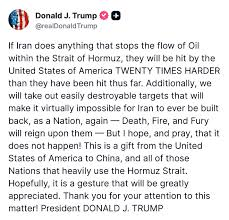
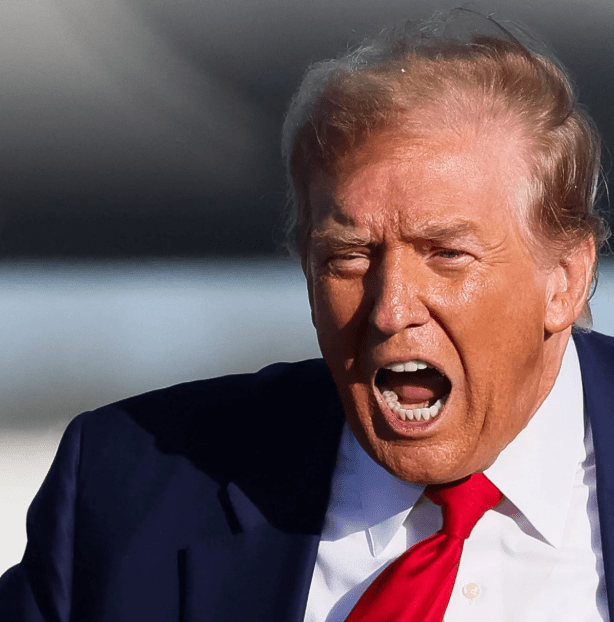
As reports circulated about renewed movement and strategic maneuvering around the Strait, Trump unleashed a barrage of statements that were less measured response and more political thunderclap. Framing the situation as a direct consequence of weak leadership, he painted a picture of chaos unfolding on the global stage, insisting that such instability would never have happened under his watch.
It was classic Trump. High voltage. No dimmer switch.
But beneath the rhetorical fireworks lies a very real strategic concern. The Strait of Hormuz handles roughly a fifth of the world’s oil supply. Any disruption, whether through conflict, blockade, or even the threat of either, sends shockwaves through global markets. Energy prices climb. Shipping costs spike. Economies far removed from the Middle East suddenly feel the squeeze.
That’s the kind of backdrop where political narratives sharpen into weapons.
Trump’s reaction wasn’t just about foreign policy. It was about positioning. By amplifying the stakes and framing the situation as a failure of current leadership, he’s tapping into a broader argument about strength, deterrence, and America’s role on the world stage. In his telling, unpredictability abroad is a symptom of softness at home.
Critics, however, see something else entirely.
They argue that this kind of escalation in rhetoric risks pouring gasoline on an already volatile situation. The Middle East doesn’t need more verbal brinkmanship, they say. It needs precision, diplomacy, and a careful calibration of power. In a region where miscalculations can spiral quickly, words matter. A lot.
And Trump’s words rarely arrive gently.
The deeper issue here isn’t just one man’s reaction. It’s how modern politics processes global crises. Events like tensions in the Strait of Hormuz are no longer just matters of statecraft. They’re instantly folded into domestic political battles, repackaged as talking points, and broadcast to millions in real time.
Geopolitics becomes theater. Strategy becomes slogan.
Meanwhile, the actual stakes remain stubbornly real. Any sustained disruption in the Strait could ripple across supply chains, strain alliances, and heighten the risk of direct confrontation involving major powers. This isn’t a cable news segment you can change the channel on. It’s a live wire running through the global economy.
And yet, the loudest voices often dominate the conversation.
Trump’s reaction, explosive as it was, reflects a broader shift in how crises are communicated and consumed. Less briefing room, more battlefield of narratives. Less nuance, more noise. In that environment, escalation doesn’t just happen on the water. It happens in the words.
And sometimes, the words travel faster than the ships.
—Terrence Dorner, B1Daily
 B1Daily
Leave a comment