—Kel McKnight, B1Daily
In a city where the rain doesn’t fall so much as it lingers, soaking sidewalks and spirits alike, something remarkable began to bloom. It didn’t arrive with a press conference or a polished logo. It showed up in quiet acts. A hand extended. A meal shared. A voice raised when silence had grown too comfortable.
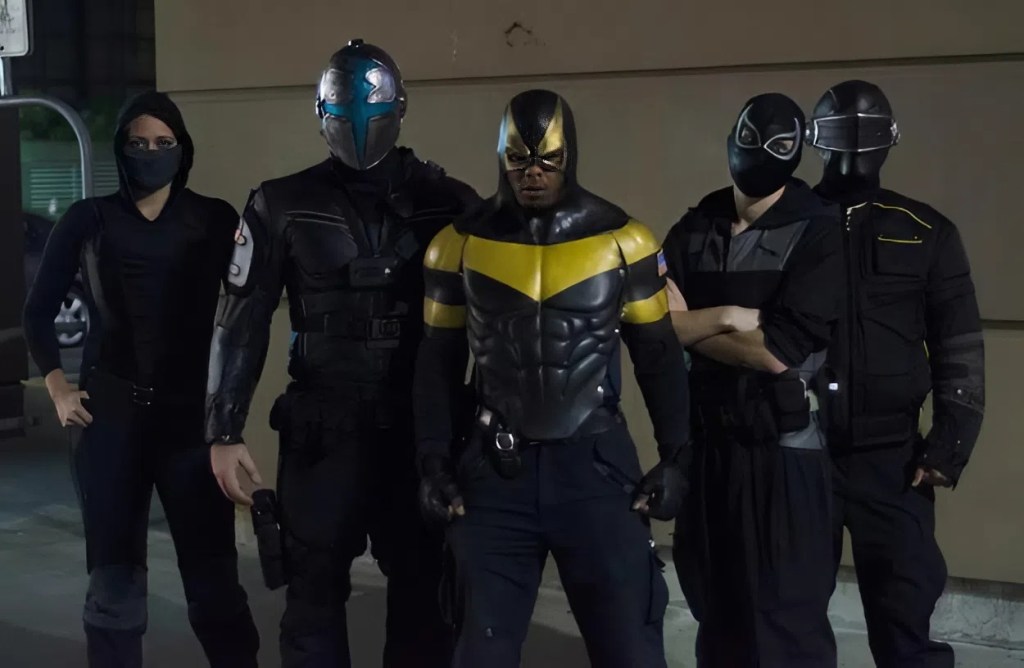
They came to be known as the Rain City Heroes.
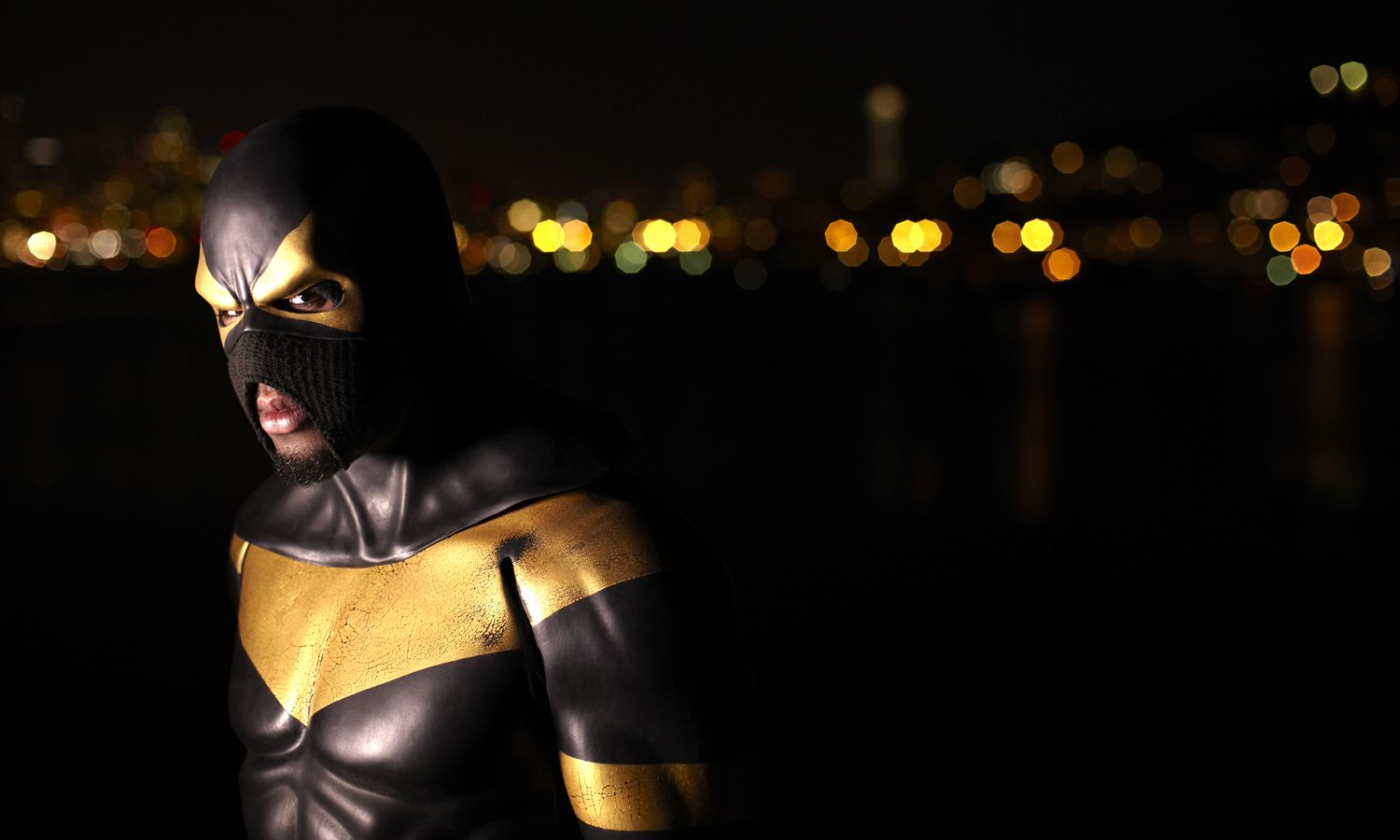
Not because they wore uniforms or claimed titles, but because they refused to look away.
The Rain City Heroes were never a single organization or a neatly packaged movement. They were neighbors who decided that “someone should do something” meant them. They were the ones stocking community fridges in the dead of night, organizing coat drives before winter tightened its grip, and checking on the elderly when the power flickered out. They moved like a current through the city, invisible until you felt the impact.
And the impact was undeniable.
What started as scattered acts of kindness began to stitch together something larger, something alive. Blocks that once felt isolated started to feel connected. People who had been reduced to statistics found themselves seen again, heard again, valued again. The Rain City Heroes didn’t just provide aid. They restored dignity.
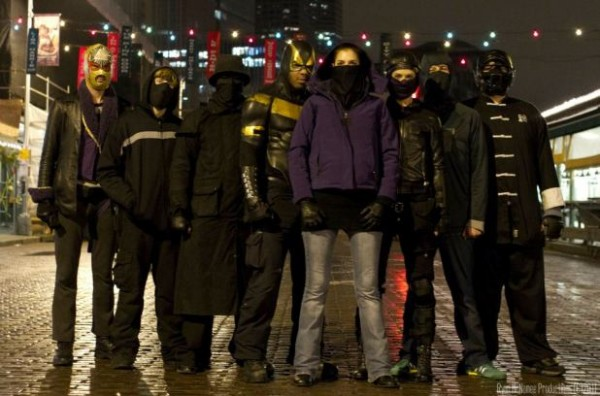
In neighborhoods long neglected by institutions that promised help but delivered delay, the Heroes became the infrastructure. Not the kind made of steel and concrete, but the kind built from trust. When systems faltered, they stepped in without waiting for permission. When bureaucracy stalled, they moved with urgency. They didn’t ask who deserved help. They asked who needed it.
That distinction changed everything.
Their presence reshaped how communities saw themselves. Instead of waiting for rescue, people began to recognize their own power. Mutual aid replaced quiet desperation. Strangers became collaborators. Entire streets started organizing, not out of crisis alone, but out of a newfound belief that collective action could rewrite their reality.
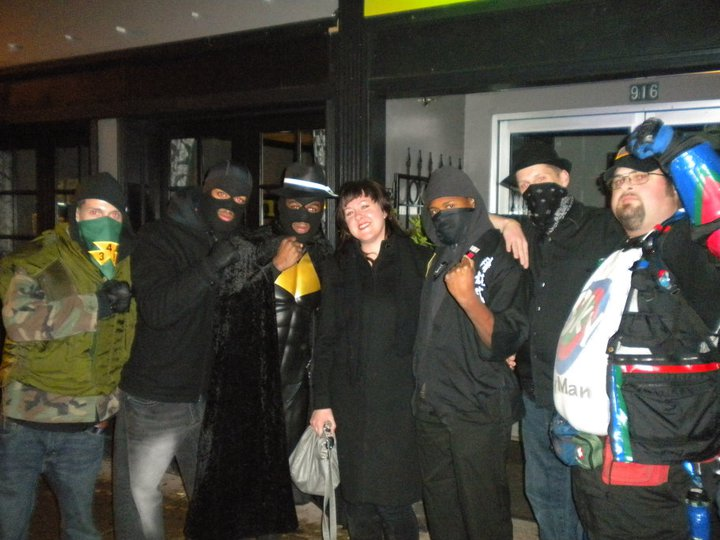
There’s something deeply human about what the Rain City Heroes accomplished. They proved that change doesn’t always roar. Sometimes it drips, steady and persistent, like rain carving new paths through stone. Over time, those small acts accumulated into something impossible to ignore.
Local leaders took notice. Policies began to shift, slowly at first, then with more intention. Community voices, once sidelined, started shaping decisions. It wasn’t a perfect transformation, but it was real. And it was driven not by power from above, but by pressure from below.
Of course, the work came with weight. Burnout hovered like a storm cloud. Resources were stretched thin. Not every effort succeeded. But even in those moments, the movement held. Because it was never about perfection. It was about presence.
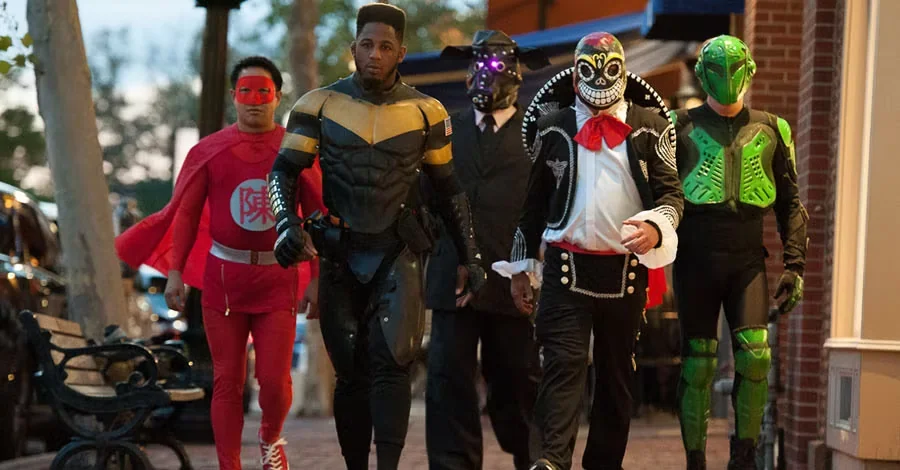
The Rain City Heroes didn’t fix everything. No movement can. But they altered the trajectory. They turned isolation into connection, scarcity into sharing, and despair into something dangerously close to hope.
And maybe that’s what makes them unforgettable.
They remind us that heroism isn’t reserved for the extraordinary. It lives in ordinary people who decide that the conditions around them are unacceptable and then do something about it. No spotlight required. No applause expected.
Just rain falling, and people rising to meet it.
—Kel McKnight, B1Daily
 B1Daily
Leave a comment