—Jaheim Rockwell
The code used to be written in silence. Not the quiet of peace, but the quiet of understanding. In the older chambers of hip hop, loyalty wasn’t a slogan slapped on a hoodie, it was oxygen. You breathed it or you suffocated. Somewhere along the timeline, that oxygen got diluted, replaced with something synthetic, something algorithm-friendly. Now the culture finds itself in a strange theater where the loudest voices often come with open case files.
Let’s stop dancing around it. Snitching didn’t just creep into rap, it got rebranded, monetized, and pushed to the front page.
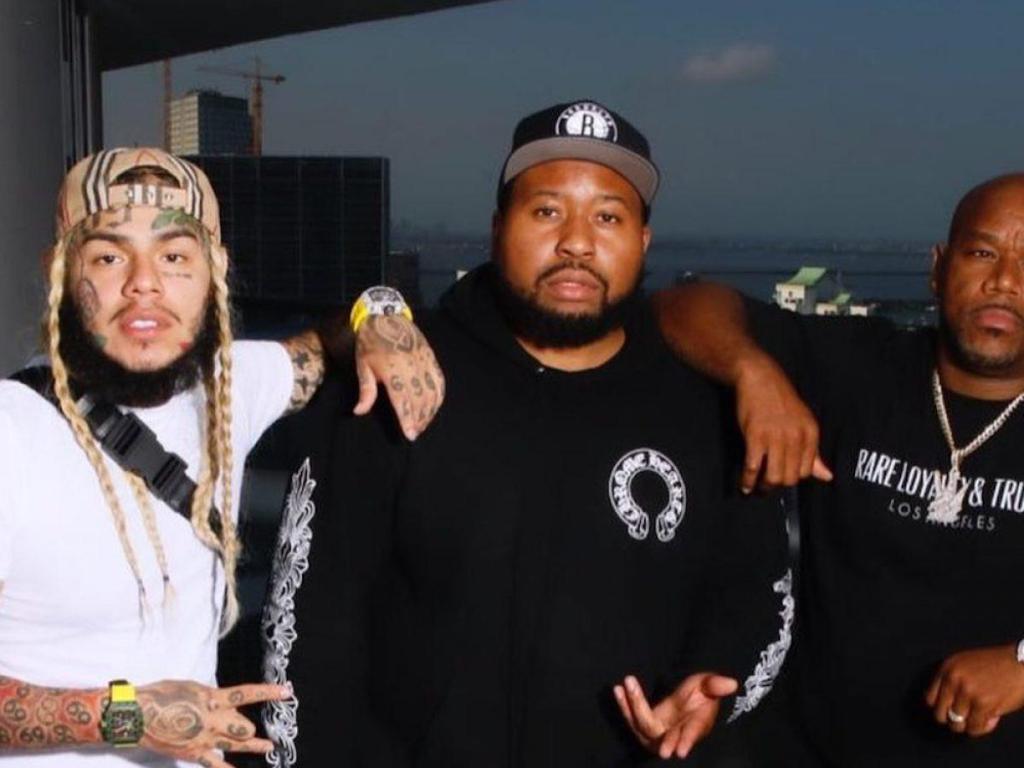
Figures like Wack 100 have turned street politics into podcast episodes, narrating behind-the-scenes conflicts like a play-by-play commentator. It’s no longer about codes, it’s content. Then there’s DJ Akademics, who built an empire off turning real-life street beef into consumable drama, where federal language and courtroom energy blend seamlessly with memes and livestreams. The streets used to whisper; now they trend.
And then comes the digital courthouse jester himself, Tekashi 6ix9ine. Once upon a time, cooperating with authorities would exile you permanently. Career over. Name erased. Instead, Tekashi returned louder, rainbow-haired and controversy-proof, as if notoriety itself had become a shield stronger than any street reputation. His survival didn’t just shock the culture, it rewired it. The message shifted from “never tell” to “just don’t get boring.”
Meanwhile, personalities like Poetic Flakko represent a new breed of media figure, one foot in commentary, the other in chaos. Information moves fast, but context moves slow, and in that gap, speculation becomes currency. The lines between reporting, instigating, and outright snitching blur into a murky gray where accountability struggles to breathe.
What changed? The streets didn’t vanish, but the internet built a second, louder street on top of it. A place where clout outweighs consequence, where exposure pays better than silence, and where the audience is always hungry for the next revelation. Hip hop, once rooted in coded language and layered storytelling, now wrestles with a culture that rewards unfiltered disclosure. The sacred and the sensational are sharing the same stage, and the crowd is cheering for both.
There’s also a generational fracture at play. Older heads see betrayal where younger fans see entertainment. To them, it’s not snitching, it’s “keeping it real” in a different currency. But that raises an uncomfortable question: if everything is content, what’s left that’s actually sacred?
The irony is thick enough to cut with a vinyl edge. A genre born from resistance, from navigating systems designed to trap and surveil, is now flirting with the very mechanisms it once dodged. Cameras everywhere. Conversations recorded. Conflicts monetized. The walls didn’t just get ears, they got Wi-Fi.
Hip hop isn’t dead, but it’s definitely arguing with itself in the mirror. One side still believes in codes, consequences, and a certain kind of honor. The other side is chasing visibility at any cost, turning private realities into public spectacle. And right now, the spectacle is winning.
The culture has always evolved, but this evolution feels less like growth and more like exposure therapy gone rogue. The question isn’t whether snitching became normalized. It’s whether the culture even agrees anymore on what snitching is.
—Jaheim Rockwell is an Atlanta based music producer, activist, and proud contributor to B1Daily News



 B1Daily
Leave a comment