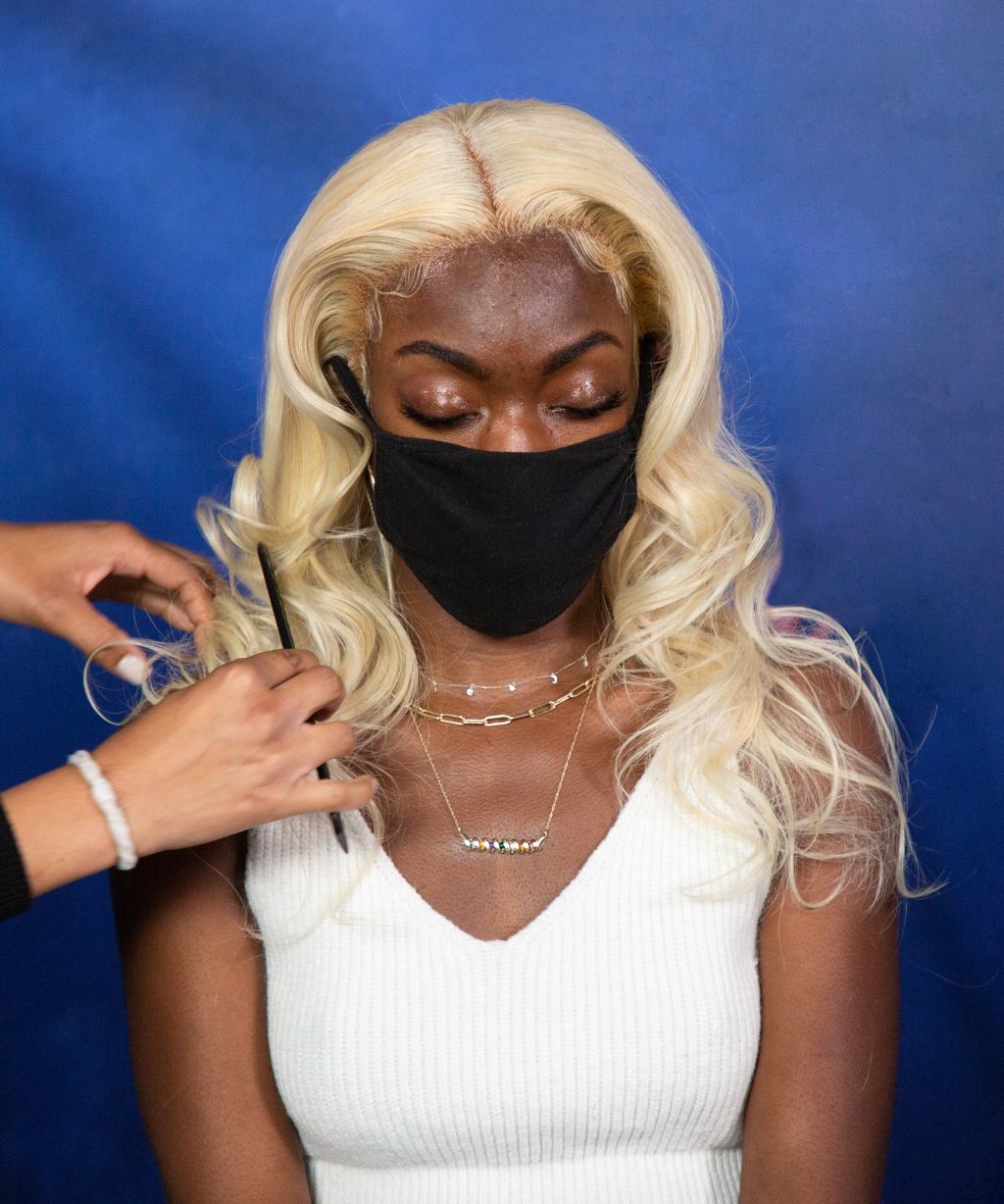
—Vanessa Edwards, B1Daily
For generations, Black women have been caught in a painful paradox, admiring the hair textures of other racial groups while harboring deep-seated resentment toward their own.
This phenomenon isn’t merely about preference; it reflects centuries of Eurocentric beauty standards that have conditioned Black women to view their natural hair as “unmanageable,” “unprofessional,” or simply “less beautiful.” Worse, this self-hatred doesn’t exist in a vacuum, it festers, spreading to younger generations and perpetuating a cycle of internalized racism that weakens the collective esteem of the Black community.
The Roots of Hair Jealousy
From childhood, many Black girls are taught that their coils, kinks, and curls are a burden. The media overwhelmingly glorifies straight, silky hair, while Black hair is either exoticized or deemed undesirable unless altered.
This conditioning leads many Black women to envy the effortless “acceptance” granted to women of other races, Asian women’s sleek strands, White women’s flowing waves, or even Latina women’s voluminous curls (which, unlike Black hair, are rarely policed in professional settings).
The jealousy isn’t just about aesthetics; it’s about power. Straight hair has historically been a passport to social mobility, while natural Black hair remains a political statement, one that many Black women feel forced to make or suppress depending on the environment. The frustration isn’t merely directed outward but inward, manifesting as shame when their own hair refuses to conform to these impossible standards.
The Transmission of Self-Hatred
This disdain doesn’t stop with individual women, it’s passed down like an heirloom. Mothers who grew up hating their own hair often pass those biases to their daughters, whether through subtle comments (“Her hair is so neat”) or overt actions (pressing a toddler’s hair into submission). Social media exacerbates the issue, with Black girls scrolling through endless videos of influencers with lace-front wigs or silk presses, further divorcing them from the beauty of their natural texture.
The result? A generation of Black girls who view their hair as a problem to be solved rather than a crown to be celebrated. The damage extends beyond vanity, it fractures self-worth, leaving young Black women more susceptible to depression, anxiety, and a perpetual feeling of inadequacy in a world that already devalues them.
Breaking the Cycle
The solution isn’t as simple as “just love yourself.” Systemic change is necessary, challenging workplace discrimination against natural hairstyles, diversifying beauty standards in media, and fostering early education about the cultural and historical significance of Black hair. Most importantly, Black women must confront their own internalized biases before passing them on.
Every time a Black woman relaxes her hair out of shame rather than choice, every time she scoffs at another Black woman’s natural fro while praising a wig mimicking another race’s texture, she perpetuates a legacy of self-destruction. Healing starts with honesty: Black hair is not the problem. The problem is a world, and a mindset, that refuses to see its beauty.
The future of the Black race depends on breaking this cycle. Because a people who hate themselves can never truly be free.
—Vanessa Edwards, B1Daily

 B1Daily
Leave a comment