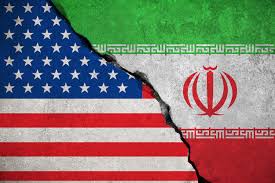
—Terrence Dorner, B1Daily
OPERATIONAL REPORT: TEMPORARY CEASEFIRE BETWEEN United States AND Iran
Classification: Strategic Assessment
Duration: 14-Day Conditional Ceasefire
Status: Active, Highly Fragile
I. SITUATION OVERVIEW
After approximately 40 days of sustained hostilities involving airstrikes, naval disruption, and regional proxy engagements, U.S. and Iranian leadership agreed to a two-week ceasefire brokered through Pakistan.
Key conditions include:
- Immediate suspension of U.S. and allied strikes on Iranian infrastructure
- Iranian commitment to reopen the Strait of Hormuz, a maritime artery carrying ~20% of global oil supply
- Initiation of diplomatic talks in Islamabad focused on nuclear policy and regional de-escalation
Despite the pause, both parties have made it clear:
this is not peace, it is a tactical timeout.
II. BATTLEFIELD DAMAGE ASSESSMENT (BDA)
U.S. / Allied Forces:
- 13 confirmed fatalities, ~370 wounded
- Sustained operational capability across Gulf bases
- Maintained air superiority throughout conflict
Iranian Forces:
- Significant degradation of military infrastructure
- Loss of strategic assets from sustained bombing campaigns
- Continued asymmetric capability via proxies (notably Hezbollah)
Strategic Environment:
- Strait of Hormuz intermittently disrupted
- Oil markets destabilized, then briefly stabilized following ceasefire announcement
- Ongoing Israeli operations in Lebanon complicating ceasefire integrity
III. RULES OF ENGAGEMENT (CEASEFIRE TERMS)
Observed Conditions:
- Suspension of direct U.S.–Iran strikes
- Conditional maritime reopening
- Diplomatic engagement window
Violations / Tensions:
- Iran alleges indirect violations via Israeli strikes in Lebanon
- Conflicting interpretations of ceasefire scope (Lebanon included vs excluded)
- Continued drone and proxy activity reported
Assessment:
The ceasefire lacks unified interpretation. This is a multi-theater conflict pause without synchronized command authority, increasing likelihood of collapse.
IV. INTELLIGENCE REPORTS (FIELD & ANALYTICAL)
Report A: Pentagon Internal Tone Split
- Civilian leadership declaring “victory”
- Military command urging caution, warning conflict may resume
Report B: Iranian Strategic Posture
- Public messaging: ceasefire ≠ war termination
- Forces remain “on trigger,” indicating readiness for rapid escalation
Report C: Diplomatic Fractures
- Discrepancies in nuclear negotiation language
- Iran pushing for recognition of enrichment rights
- U.S. maintaining hardline stance
Report D: Regional Instability
- Israel continuing independent operations
- Hezbollah engagement ongoing
- Gulf states urging long-term settlement
V. STRATEGIC ANALYSIS
This ceasefire resembles a reload phase, not a resolution phase.
Both sides achieved partial objectives:
- U.S.: degraded Iranian military capacity, forced negotiation window
- Iran: preserved regime stability, avoided catastrophic infrastructure strikes, maintained leverage via Hormuz
However, neither side achieved decisive victory.
The battlefield has shifted from kinetic warfare to negotiation brinkmanship under armed tension.
VI. PREDICTED OUTCOMES (POST-CEASEFIRE WINDOW)
Scenario 1: Ceasefire Collapse (High Probability)
Trigger Conditions:
- Continued Israeli strikes
- Dispute over nuclear enrichment terms
- Maritime disruptions in Hormuz
Outcome:
- Rapid return to air and naval conflict
- Expanded regional war footprint
- Oil prices spike sharply
Assessment: Most likely. The current ceasefire architecture is unstable.
Scenario 2: Extended Negotiation Phase (Moderate Probability)
Trigger Conditions:
- Temporary compliance on Hormuz
- Partial agreement on nuclear oversight
- External pressure from EU and Gulf states
Outcome:
- Ceasefire extended in increments
- War transitions into prolonged cold conflict
Assessment: Possible, but requires restraint historically absent in both parties.
Scenario 3: Major Escalation (Low but Severe Risk)
Trigger Conditions:
- Miscalculation or mass-casualty incident
- Direct strike on critical infrastructure or leadership
Outcome:
- Full-scale regional war
- Closure of Hormuz
- Global economic shock
Assessment: Low probability, catastrophic impact.
VII. FINAL COMMAND ASSESSMENT
This ceasefire is not peace. It is a pressure valve on a system still running hot.
Both United States and Iran are using this 14-day window to:
- Reposition assets
- Reassess strategy
- Test diplomatic leverage
The battlefield has gone quiet, but the war has not ended. It has simply changed uniforms.
—Terrence Dorner has worked in army intelligence for over 20 years and a proud contributor to B1Daily



 B1Daily
Leave a comment