—Jaheim Rockwell
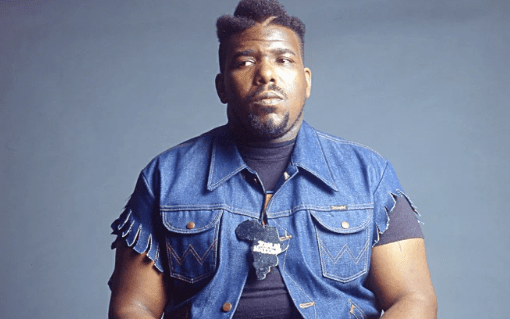
Afrika Bambaataa, one of the foundational architects of hip-hop culture, has died at the age of 67, closing a chapter on a figure whose influence helped shape the sound, style, and global identity of the genre. According to multiple reports, he passed away on April 9, 2026, in Pennsylvania due to complications related to cancer.
Born Lance Taylor in the Bronx, Bambaataa emerged from the raw, electric energy of 1970s New York, where block parties became laboratories for a new cultural language. Before the world knew “hip-hop” as a global force, he was already building its scaffolding through DJ sets, community gatherings, and a vision that fused music, identity, and social consciousness into a single pulsing circuit.
His creation of the Universal Zulu Nation in the early 1970s was more than an organization—it was a philosophy. Built around the mantra “Peace, Love, Unity, and Having Fun,” it sought to redirect street energy into creative expression, elevating DJs, breakdancers, graffiti artists, and MCs into a unified cultural movement.
Bambaataa’s breakthrough into wider recognition came with “Planet Rock” in 1982, a track that didn’t just ride the wave of hip-hop—it bent it. By weaving electronic influences from groups like Kraftwerk into Bronx-born rhythm science, he helped spark the electro-funk era and pushed hip-hop beyond its original borders into futuristic territory.
Throughout the 1980s, his presence expanded beyond music into activism, including participation in the anti-apartheid benefit project “Sun City,” which gathered an unlikely constellation of artists in protest against South Africa’s apartheid regime. His name became tied not just to sound, but to the idea that hip-hop could speak globally and politically.
Yet his legacy is not without controversy. In later years, allegations of sexual abuse led to legal battles and his removal from leadership roles within the Zulu Nation, casting a long shadow over his historical contributions. These accusations and court outcomes became part of the complicated public record surrounding his life and legacy.
Even as debates over his legacy continue, his imprint on hip-hop’s DNA is undeniable. From South Bronx street corners to international stages, Afrika Bambaataa helped transform a local youth movement into a planetary culture—one that still echoes his beats, his ideas, and his contradictions.
With his passing, hip-hop loses not just a pioneer DJ, but one of its early architects of imagination—someone who helped turn turntables into time machines and block parties into history.
—Jaheim Rockwell is an Atlanta based music producer, activist, and proud contributor to B1Daily News


 B1Daily
Leave a comment