—Matt Gwinta, B1Daily
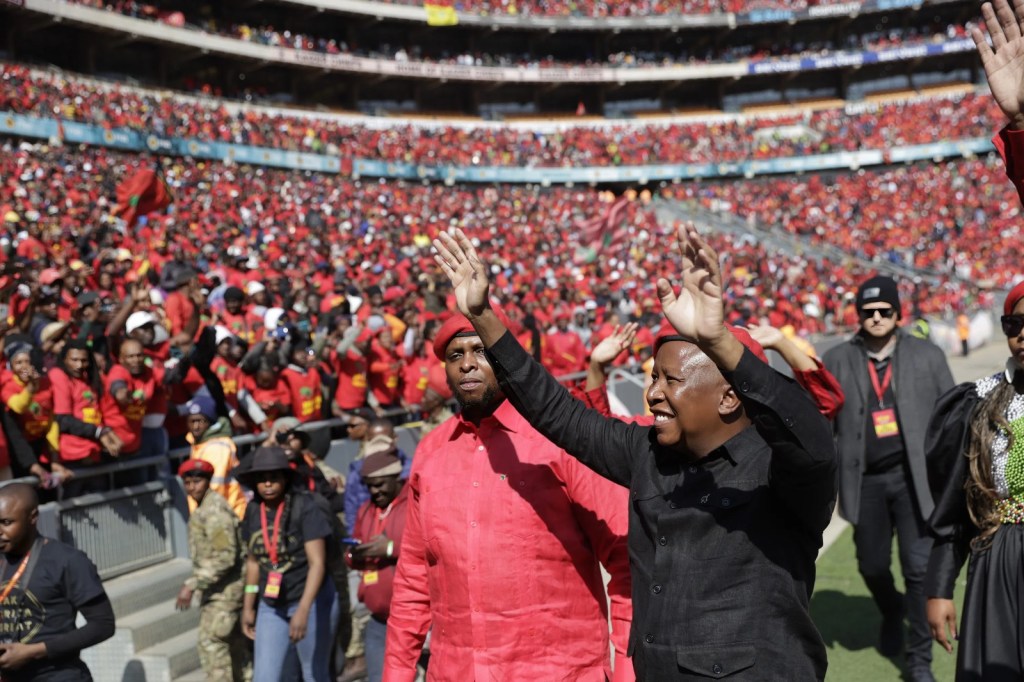
The courtroom has become a stage, and at the center of it stands Julius Malemac, not just as a defendant, but as a lightning rod for a much larger political storm. The recent charges brought against the Economic Freedom Fighters leader have ignited fierce debate, with supporters arguing that what’s unfolding is less about justice and more about silencing a voice that has grown too loud, too influential, and too unapologetically radical for comfort.
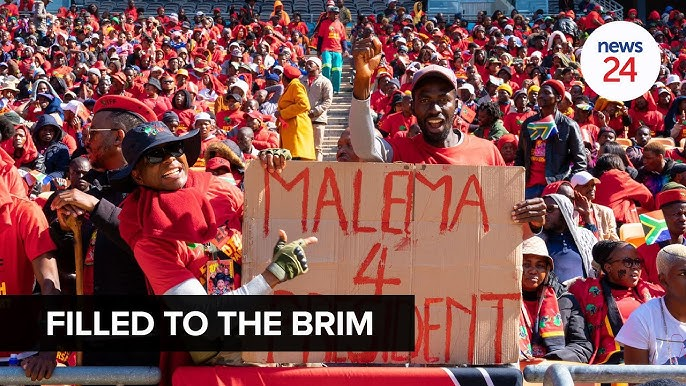
Malema, long known for his fiery rhetoric and unflinching stance on land redistribution, economic justice, and Black empowerment, has built a following that stretches far beyond South Africa’s borders. Among Black activists worldwide, he’s viewed as a kind of political spark plug, dangerous to some, necessary to others. That global resonance is precisely why critics of the case argue the legal action reeks of political choreography rather than impartial law enforcement.
At the heart of the controversy is the claim that the charges themselves have been inflated into something far more dramatic than the facts warrant. Legal analysts and supporters alike have pointed out inconsistencies, procedural questions, and a pattern that echoes a familiar playbook: target the figure, amplify the allegations, and let public perception do the rest. In this reading, the courtroom isn’t just a venue for justice, it’s a battlefield for narrative control.
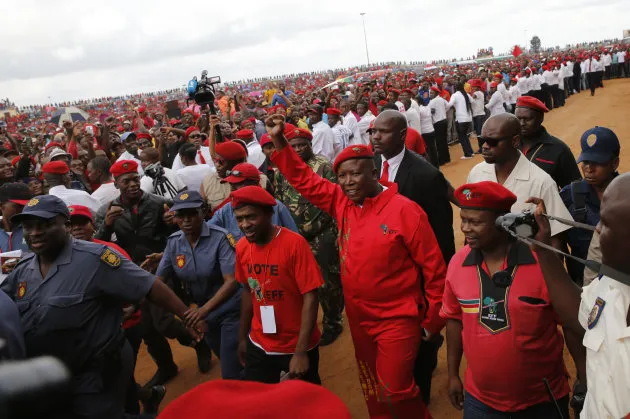
The timing has only added fuel to the fire. With Malema’s popularity surging among younger voters and grassroots movements, the charges arrive like a well-placed roadblock on a highway he’s been speeding down. To his base, it feels less like coincidence and more like strategy, a calculated attempt to slow his momentum and fracture his credibility at a critical moment.
There’s also the broader historical context to consider. South African politics has long been a terrain where legal systems and political agendas occasionally blur, and Malema himself is no stranger to controversy or confrontation with authority. But this case, supporters argue, carries a different energy, one that feels amplified, stretched, and weaponized in a way that goes beyond standard legal scrutiny.
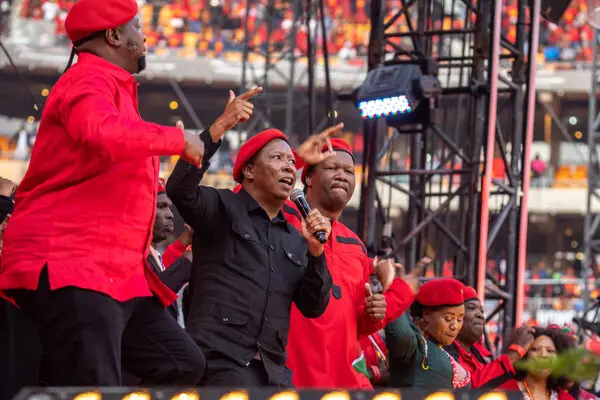
None of this is to say the courts should be dismissed outright. Accountability matters. But the question echoing through activist circles is whether accountability is being applied evenly or selectively. When a figure like Malema commands both mass support and elite discomfort, the line between justice and suppression can start to look suspiciously thin.
As the case unfolds, one thing is certain: this is no ordinary legal proceeding. It’s a clash of power, perception, and politics, with Julius Malema standing squarely in the crosshairs. Whether history remembers this moment as rightful prosecution or political theater will depend not just on the verdict, but on how the world chooses to interpret the forces behind it.
—Matt Gwinta, B1Daily

 B1Daily
Leave a comment