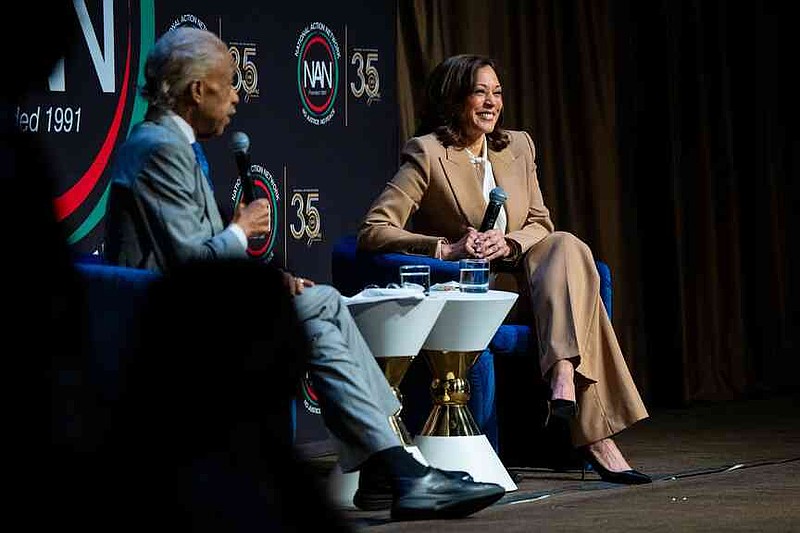
—Barrington Williams, B1Daily
In the ruthless arena of presidential politics, reputation isn’t built on intention, it’s forged in results. And for Kamala Harris, the record that shadows her national ambitions is becoming harder to outrun with each election cycle.
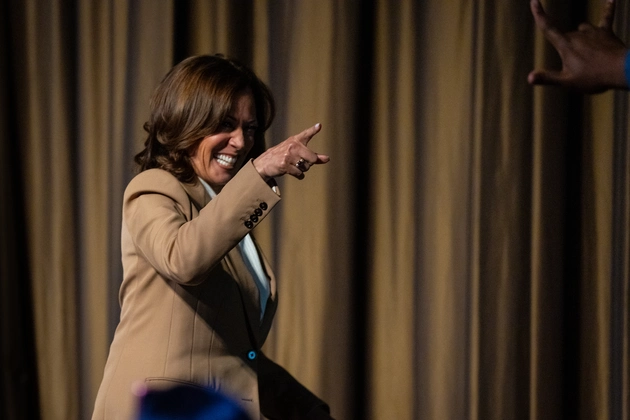
Back in 2020, Harris entered the Democratic primary with the kind of résumé that usually guarantees staying power: U.S. senator, former attorney general of California, and a rising national profile. For a moment, her campaign flashed with promise, especially after a sharp debate performance that cut through the noise.
But the momentum evaporated almost as quickly as it arrived.
Within months, her campaign struggled with messaging, internal disputes, and dwindling support. Before a single vote was cast, Harris exited the race, unable to gain meaningful traction in a crowded field.
That early collapse left a lingering question: was her national appeal overstated?
Fast forward to the general election, where Harris joined the ticket with Joe Biden and ultimately secured victory in 2020. But critics argue that win belonged more to the broader anti-incumbent wave and Biden’s positioning than to Harris herself. Since then, her individual political brand has remained a subject of debate, often struggling to define a clear, consistent identity that resonates beyond the party base.
In 2020, her campaign struggled with messaging, internal disputes, and dwindling support. Before a single vote was cast, Harris exited the race.
The more recent electoral landscape has only intensified that scrutiny. Political losses, fair or not, tend to stack like bricks, and once a narrative hardens around a candidate, breaking free becomes a near-impossible climb. In Harris’s case, opponents argue that she has now accumulated enough setbacks to trigger an uncomfortable reality: the path forward may be narrower than ever.
Presidential politics is brutally Darwinian. Voters, donors, and party insiders gravitate toward candidates who project inevitability, momentum, and electability. When a candidate is perceived as having faltered repeatedly, even if the circumstances are complex, the political ecosystem begins to move on. It’s less about fairness and more about survival instincts within the party.
For Democrats looking ahead, the question is not just about Harris as an individual, but about strategic positioning. Do they double down on a figure who has struggled to convert early promise into sustained success, or do they pivot toward new faces who can energize the electorate without the baggage of past campaigns?
Supporters of Harris argue that she remains a historic figure with governing experience and untapped potential, pointing to the unpredictable nature of politics where comebacks are always possible. Critics, however, see a pattern that cannot be ignored, one that suggests her moment may have already passed.
At a certain point, political ambition collides with political math. And in a system that rarely offers unlimited second chances, the hardest decision for any candidate isn’t whether they can run again, it’s whether they should.
—Barrington Williams, B1Daily


 B1Daily
Leave a comment