—Kerry Hill, B1Daily
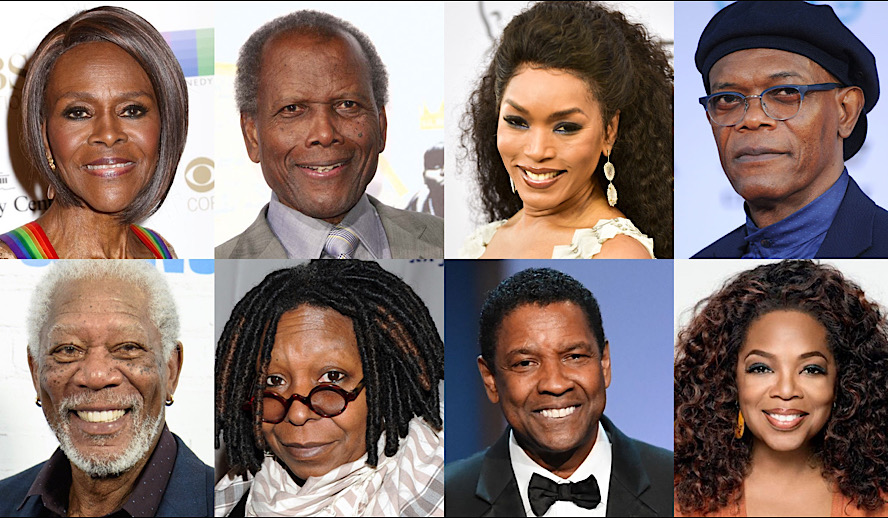
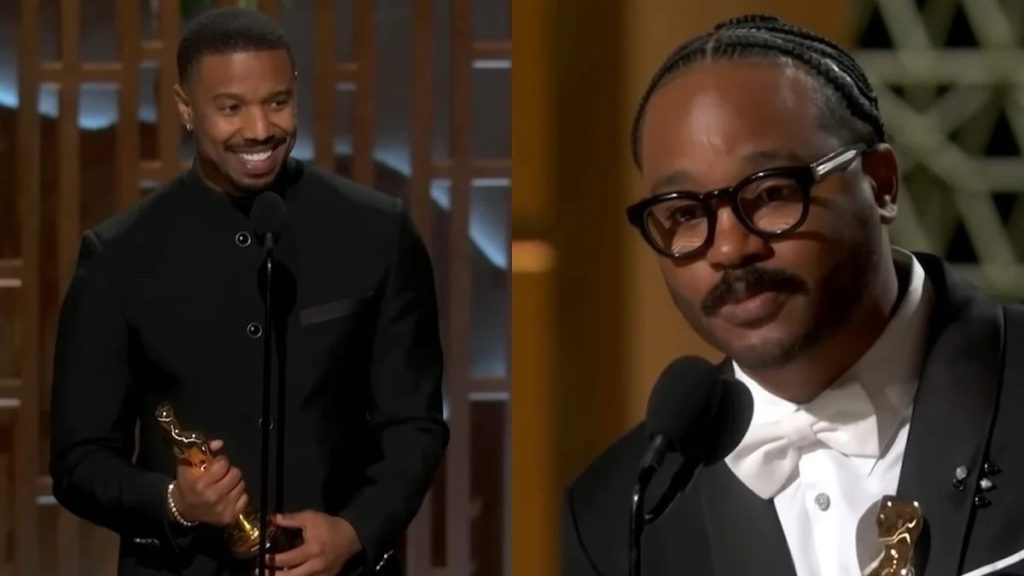
The red carpet glittered, the cameras flashed, and somewhere beneath the polished smiles and designer tuxedos, a question hung in the air like smoke that refused to clear: where was the backbone? When the BAFTA stage became tainted by a racial slur so loaded it echoes across centuries, the silence from many prominent Black American actors wasn’t just noticeable, it was deafening.
This wasn’t some ambiguous “misunderstanding” or cultural slip-up lost in translation. The n-word is not a linguistic gray area. It is a verbal weapon with a documented history, sharpened by slavery, segregation, and systemic humiliation. For it to surface in a space as globally visible as the BAFTAs should have triggered immediate, unified outrage. Instead, what followed felt more like a shrug wrapped in publicist-approved statements and business-as-usual appearances.
Let’s be blunt. If respect is currency, then attendance is endorsement. Walking into that venue after such an incident without a coordinated boycott sends a message, whether intentional or not, that the insult was tolerable, that the show must go on, that the industry’s applause matters more than dignity. And that’s where the real fracture lies.
Hollywood’s Black elite often position themselves as cultural ambassadors, voices of justice, and defenders of representation. They speak powerfully when the cameras are aligned and the timing is safe. Yet moments like this demand something less comfortable and far more costly: sacrifice. Not tweets. Not carefully worded interviews. Absence. Refusal. Disruption.
Because boycotts are not symbolic gestures, they are economic and cultural pressure points. When key figures withdraw, the spectacle loses legitimacy. The glow dims. The narrative shifts. That is how change is forced, not politely requested.
Instead, the BAFTA stage remained populated, the applause continued, and the industry machine rolled forward as if nothing had happened. For everyday Black audiences watching from the outside, it created a bitter disconnect. The same communities that elevate these actors, stream their films, and defend their accolades are left wondering why the line wasn’t drawn when it mattered most.
There is a pattern here, and it’s uncomfortable to confront. Too often, proximity to power dulls the urgency of protest. Invitations become leverage. Recognition becomes insulation. And slowly, resistance is replaced with negotiation, then negotiation with silence.
This is not about demanding perfection. It’s about demanding consistency. If the industry is quick to rally around social justice campaigns when it aligns with branding and awards season narratives, then it should be just as quick to take a stand when blatant disrespect occurs on one of its most prestigious stages.
The BAFTA incident should have been a moment of unified defiance, a clear message that certain lines cannot be crossed without consequence. Instead, it became a case study in hesitation, in image management, in choosing access over accountability.
And that’s the real sting. Not just the word itself, but the lack of response to it.
Because history doesn’t just remember who spoke out. It remembers who stayed seated when they should have walked out.
—Kerry Hill, B1Daily
 B1Daily
Leave a comment