—Kel McKnight, B1Daily
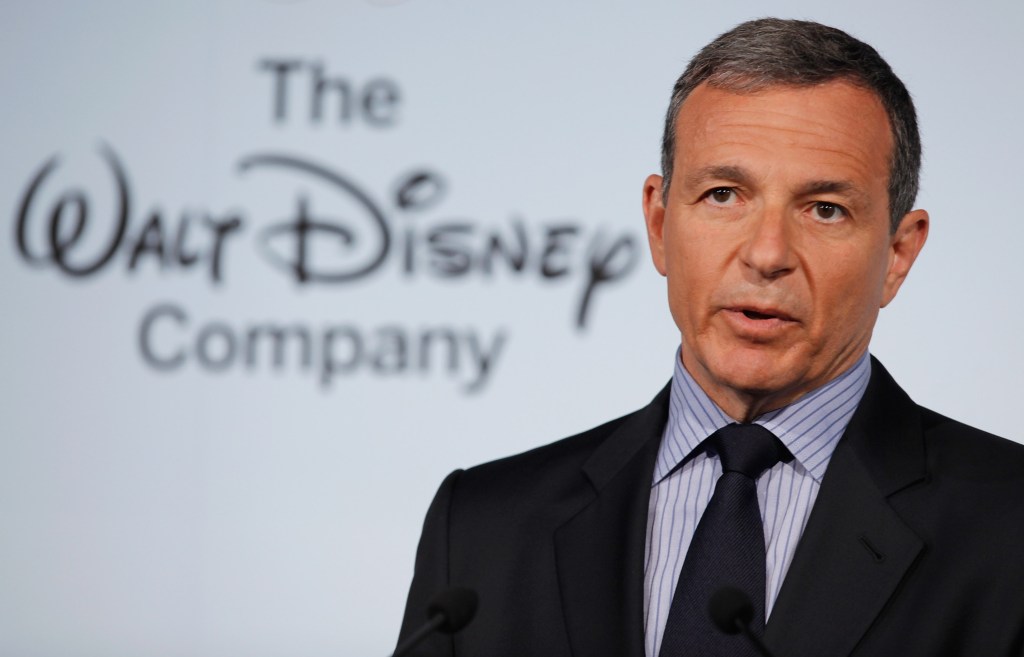
The kingdom didn’t fall overnight. It didn’t crumble with a dramatic crack like a glass slipper at midnight. No, under Bob Iger, The Walt Disney Company became something far more unsettling than a failure. It became predictable.
This is the same Disney that once minted cultural lightning in a bottle. The house that Walt Disney built ran on risk, instinct, and a kind of manic creative hunger. Under Iger, that hunger was put on a strict corporate diet. The menu shifted from imagination to acquisition, from storytelling to spreadsheet worship. Buy the crown jewels, strip mine the magic, and repackage it until the audience forgets what wonder felt like in the first place.
The shopping spree looked brilliant on paper. Pixar, Marvel Studios, and Lucasfilm were scooped up like Infinity Stones, each promising endless narrative power. And for a while, it worked. But Iger didn’t build a universe. He built an assembly line. What began as bold storytelling slowly calcified into algorithmic content churn, where every film felt like it was focus-grouped into creative paralysis.
Take Star Wars: The Rise of Skywalker, a cinematic shrug masquerading as a finale. Or the endless conveyor belt of Marvel entries that turned Iron Man from a symbol of reinvention into a relic of a bygone era when these films actually had stakes. Under Iger’s extended shadow, even nostalgia started to feel exhausted, like it was being shaken upside down for loose change.
And then came the live-action remake obsession. The Lion King wasn’t a reimagining. It was a high-resolution photocopy with less soul. Mulan traded emotional resonance for hollow spectacle. These weren’t love letters to the past. They were corporate reenactments, meticulously engineered to minimize risk and maximize return. Safe, sterile, and spiritually bankrupt.
Streaming only tightened the noose. Disney+ launched like a rocket, then immediately began orbiting the same shrinking pool of ideas. Quantity exploded while quality flickered. Shows blurred together into a beige haze of “content,” a word that should make any true storyteller wince. The magic wasn’t gone because audiences changed. It was gone because Disney stopped believing in it.
Iger’s defenders will point to stock prices, expansion, and market dominance. And sure, if the goal was to turn Disney into a content empire indistinguishable from its competitors, mission accomplished. But Disney was never supposed to be just another empire. It was supposed to be the dream factory. The place where risk paid off, where originality wasn’t a liability, where stories didn’t feel like they were assembled in a boardroom with a calculator.
What Iger ultimately engineered wasn’t a collapse. It was something colder. A slow draining of color from a once-vivid canvas. The castle still stands, the fireworks still go off, but listen closely and you’ll hear it. Not the swell of wonder, but the quiet hum of a machine that forgot why it was built in the first place.
—Kel McKnight, B1Daily


 B1Daily
Leave a comment