—Sylvester Loving, B1Daily
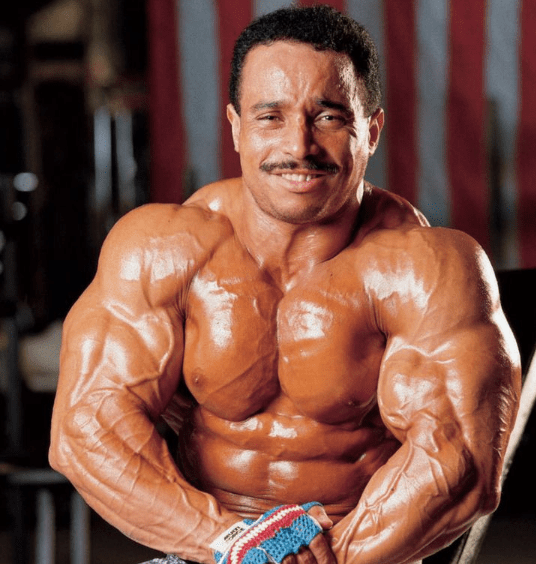
In the grand cathedral of iron and sweat, where bodies are carved like marble and legacy is measured in symmetry, the name Mohammed Benaziza echoes with both brilliance and tragedy. He was not just another competitor flexing under stage lights, he was a sculptor of form, a quiet storm from Algeria who bent the rules of proportion and conditioning until the sport had no choice but to take notice.
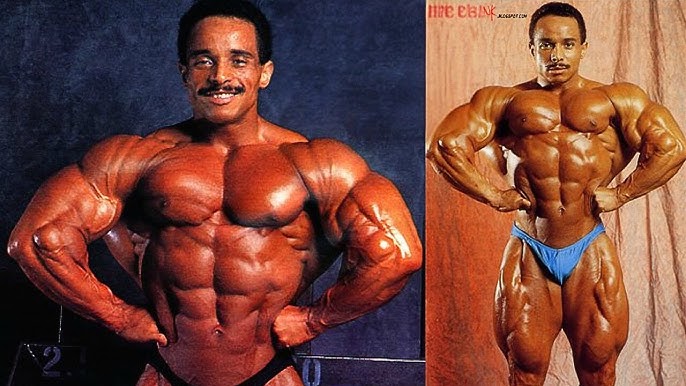
Born in Algiers, Benaziza emerged from a North African backdrop rarely spotlighted in the global bodybuilding arena. At a time when the sport was dominated by American icons and European heavyweights, he stepped onto the stage carrying more than muscle, he carried representation. For the African and Arab diaspora, his presence alone disrupted the narrative of who could stand among the elite. And when he posed, it was not just competition, it was declaration.
By the late 1980s and early 1990s, Benaziza had become a force within the International Federation of Bodybuilding & Fitness circuit. His physique was a paradox of density and elegance, a compact frame layered with granite-like muscle and razor-sharp conditioning. Judges and fans alike marveled at how he could outshine larger competitors through sheer refinement. He proved that bodybuilding was not just about size, it was about mastery.
His crowning achievement came at the Night of Champions in 1992, where he claimed victory in a performance that felt almost mythic. It was a win that reverberated far beyond the stage, signaling that excellence from outside the traditional power centers could not be ignored. For young athletes across Africa, Europe, and immigrant communities worldwide, Benaziza became a symbol that the door, however narrow, could be forced open.
But like many figures who burn intensely, his story carries a shadow. Just days after his triumph, Benaziza’s life was cut short, a loss that shook the bodybuilding world and sparked conversations about the extreme demands of the sport. His death was not just a personal tragedy, it was a cultural rupture, exposing the hidden costs behind the polished spectacle of professional competition.
Yet even in absence, his legacy continues to flex across generations. Within diaspora communities, his name is spoken with a kind of reverence reserved for pioneers who broke barriers without the luxury of widespread support. He stood as proof that greatness is not geographically confined, that excellence can rise from overlooked corners and demand global recognition.
Mohammed Benaziza did not just build a body, he built a bridge. Between continents. Between cultures. Between what the sport was and what it could become. And though his time was brief, the imprint he left remains, etched in muscle memory, whispered in gym corners, and carried in the ambitions of every lifter who dares to believe that the stage belongs to them too.
—Sylvester Loving, B1Daily


 B1Daily
Leave a comment