—Kerry Hill, B1Daily
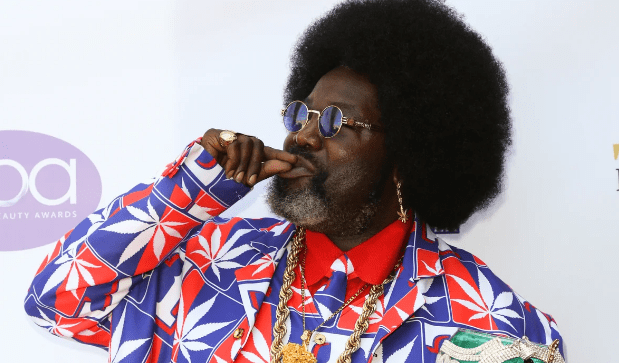
Hip-hop artist Afroman has found himself at the center of a high-profile legal battle after several sheriff’s deputies filed a lawsuit against him for using footage of a police raid on his home in music videos and merchandise. The case has sparked national debate over free speech, artistic expression, and the rights of citizens to criticize law enforcement.
The 2022 Raid That Started It All
The controversy began in August 2022 when deputies from the Adams County Sheriff’s Office executed a search warrant at Afroman’s home in Ohio. The warrant was reportedly tied to allegations involving drugs, cash, and other criminal activity.
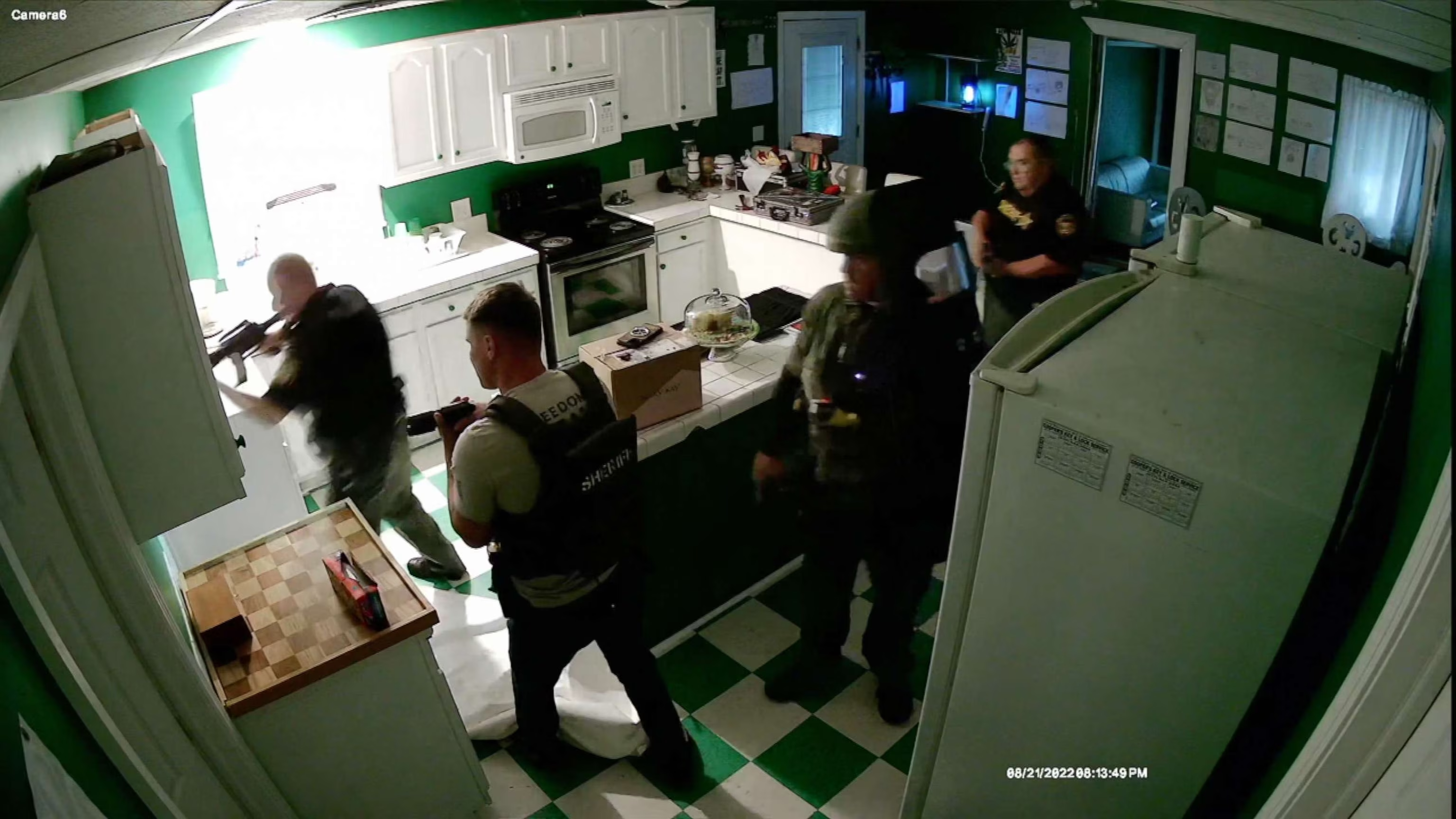
According to reports, heavily armed officers entered the rapper’s home while he was away. Security cameras throughout the house captured the raid as deputies searched through personal belongings and moved throughout the property. Despite the dramatic operation, the investigation ultimately produced no charges and no arrests.
The raid did leave damage behind. Doors and property were reportedly broken during the search, and thousands of dollars in cash were seized temporarily before being returned.
Turning the Raid Into Music
Rather than letting the incident fade quietly, Afroman turned the footage into a series of songs and music videos criticizing the raid. The videos used security camera clips showing deputies entering the home and conducting the search.
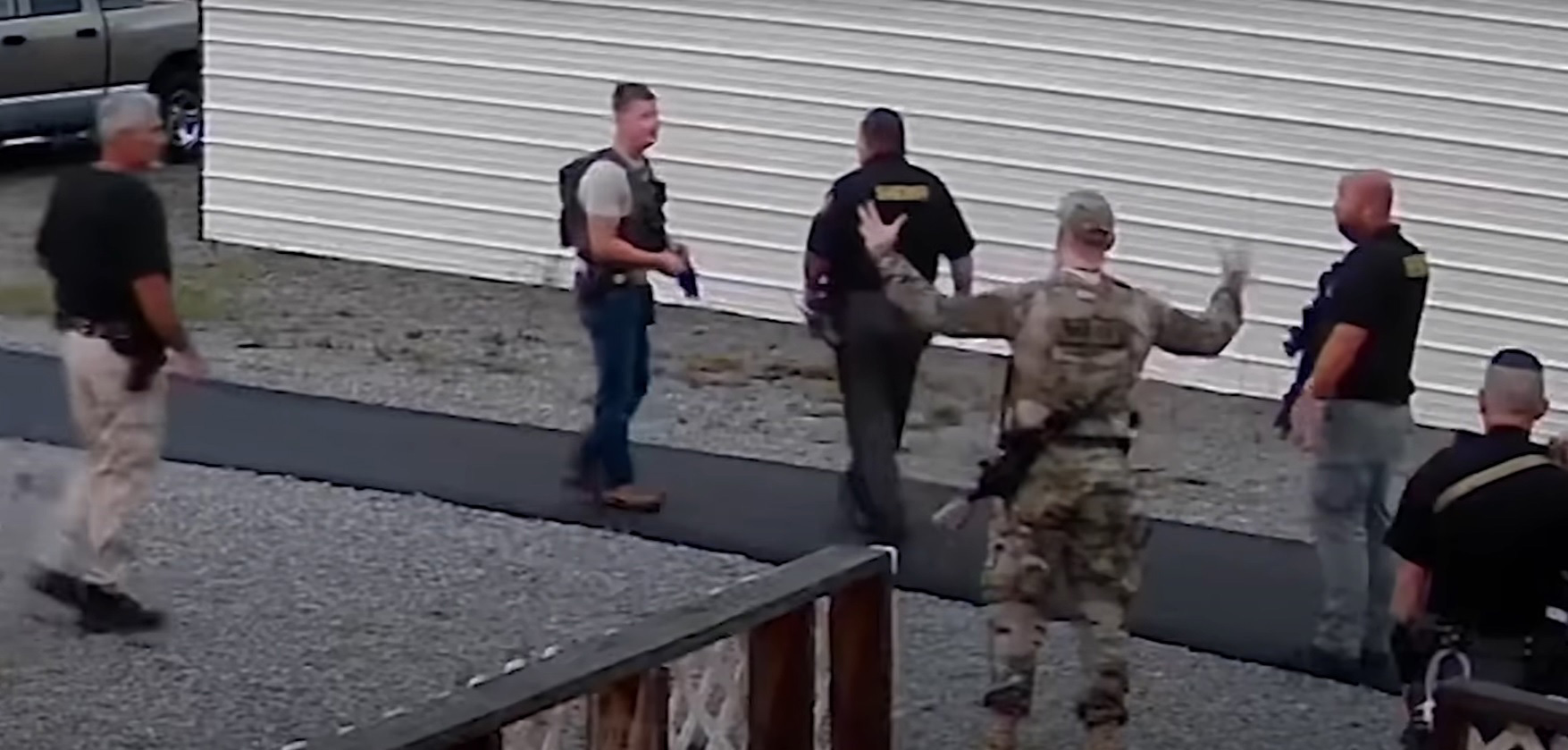
Songs such as “Will You Help Me Repair My Door,” “Lemon Pound Cake,” and “Why You Disconnecting My Video Camera” quickly went viral online, drawing millions of views and widespread attention.
The rapper also created merchandise featuring imagery and references from the raid, turning the controversial moment into a mix of protest, satire, and marketing.
Deputies Fight Back With a Lawsuit
In 2023, seven deputies involved in the raid filed a civil lawsuit against Afroman, claiming the videos and merchandise used their images without permission and damaged their reputations.
The officers argued that the videos subjected them to humiliation, ridicule, and emotional distress, and that the rapper had profited from their likeness. They also claimed the online attention made their jobs more difficult and potentially dangerous.
The lawsuit seeks financial damages and asks the court to stop Afroman from using the deputies’ images in future commercial content.
A Free Speech Battle
Afroman, whose real name is Joseph Foreman, has pushed back strongly against the claims. He argues that the footage came from his own security cameras inside his own home, making it his property and part of his personal experience.
Supporters say the case raises serious free-speech concerns. Civil liberties advocates argue that public officials—including police officers—must expect scrutiny and criticism when performing official duties.
In earlier rulings, a court dismissed some claims in the deputies’ lawsuit, including arguments that the rapper illegally used their likeness for commercial gain. However, other claims such as defamation and “false light” accusations were allowed to continue.
Trial Draws National Attention
The case is expected to go to trial in 2026, where a court will determine whether Afroman’s music and videos are protected artistic expression or whether they unlawfully harmed the deputies involved.
Beyond the individuals involved, the outcome could set an important precedent for how artists, journalists, and ordinary citizens can use footage of police activity—especially when that footage becomes part of public criticism or commentary.
For Afroman, the dispute represents more than a legal battle. He says it is about defending the right to tell his own story about what happened when law enforcement burst into his home.
As the trial approaches, the case continues to draw attention from legal experts, free speech advocates, and fans who see the dispute as a test of how far artistic freedom can go when it collides with the reputations of public officials.
—Kerry Hill, B1Daily



 B1Daily
Leave a comment