—Kerry Hill, B1Daily
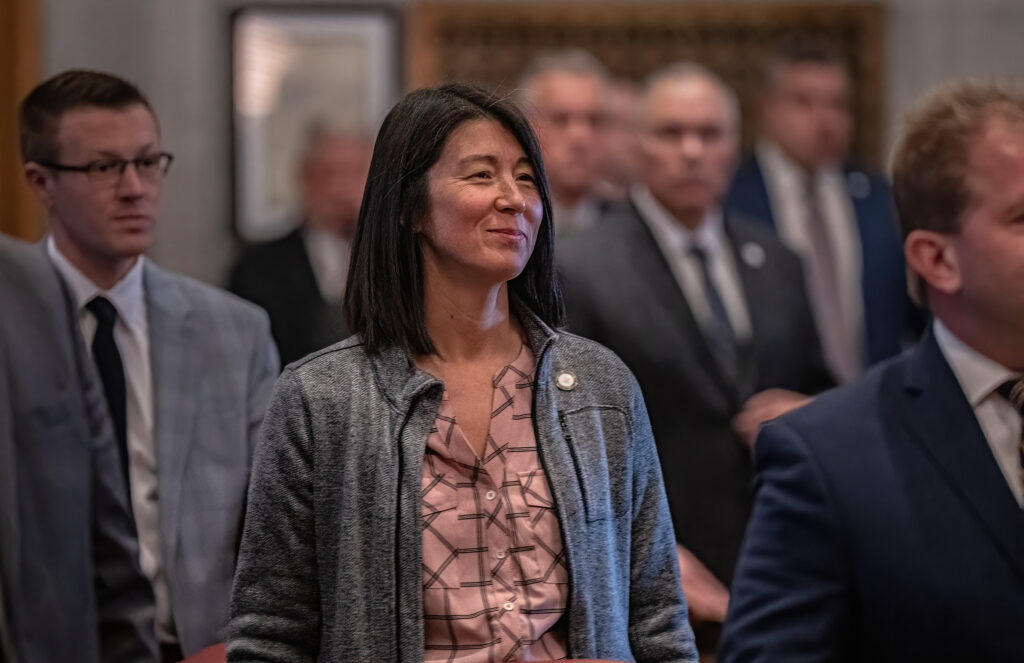
Michele Reneau, a Republican member of the Tennessee House of Representatives representing District 27, recently ignited controversy after remarks she made about the history of slavery in the United States drew strong backlash from critics across the political spectrum.
The controversy began circulating online after a video showed Reneau arguing against the way slavery is taught in schools and using a biblical defense when pressed on the subject. Her comments were criticized by Democratic lawmakers and observers who said she appeared to defend or justify the role of slavery or minimize its brutality rather than unequivocally condemn it.
Commentators challenge Reneau’s framing, emphasizing that the immorality of slavery should be clear without relying on religious texts or historical “contextualization.” Critics argued that suggesting slavery needs justification or reframing feeds into dangerous narratives that soften how Americans teach and remember the history of human bondage.
Opposition figures, including state legislators from the Democratic Party, pushed back directly against her remarks, stressing the importance of teaching the full, unvarnished truth about slavery’s central role in America’s economic development and social structures. They said representatives have a duty to uphold honest historical education rather than reinterpret one of the nation’s most brutal institutions.
The debate touched on broader disagreements over how history is taught in schools and public spaces — including how much emphasis should be placed on the fact that dozens of the nation’s Founding Fathers owned slaves and how that legacy should be presented to students. Reneau’s critics say her approach risks minimizing the suffering enslaved people endured and obscures the realities of systemic racism that persist today.
Supporters of her position, meanwhile, argue that teaching history in context — even uncomfortable parts — is essential for understanding the full scope of American history. But many historians and civil rights advocates say there’s a difference between contextualizing historical facts and framing or defending the institution of slavery in ways that could seem apologetic.
The online backlash demonstrates how highly charged discussions about slavery and its legacy remain in contemporary politics. While most Americans agree that slavery was a moral atrocity, debates over how it should be taught, discussed, and remembered continue to generate intense public and political disagreement.
As Reneau’s comments continue to circulate, they have reignited conversations about historical education, public memory, and the responsibilities of elected officials when addressing sensitive subjects that are foundational to the nation’s history.
—Kerry Hill, B1Daily





Leave a comment