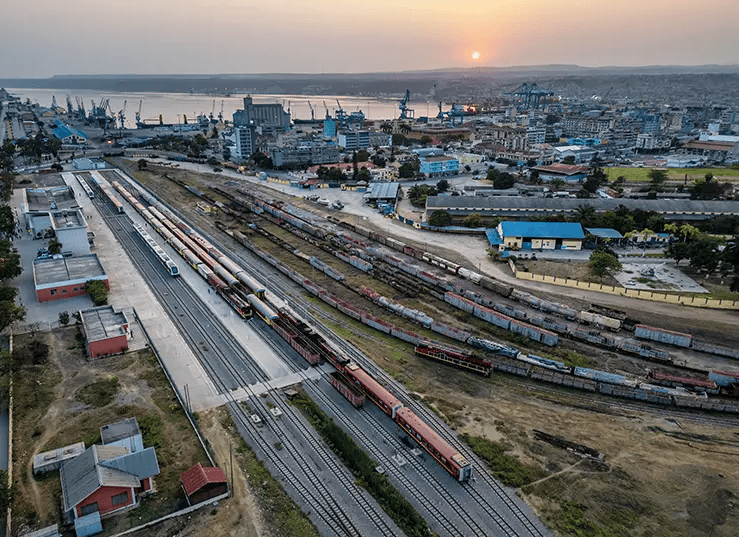
—Michael Lyles, B1Daily
The massive infrastructure project known as the Lobito Corridor has been promoted as a transformative development initiative for Angola and the wider region. Supporters claim it will modernize trade routes, attract foreign investment, and position Angola as a critical gateway between Central Africa and global markets. But for many Angolans, the central question remains simple: how will this project improve the lives of ordinary working people?
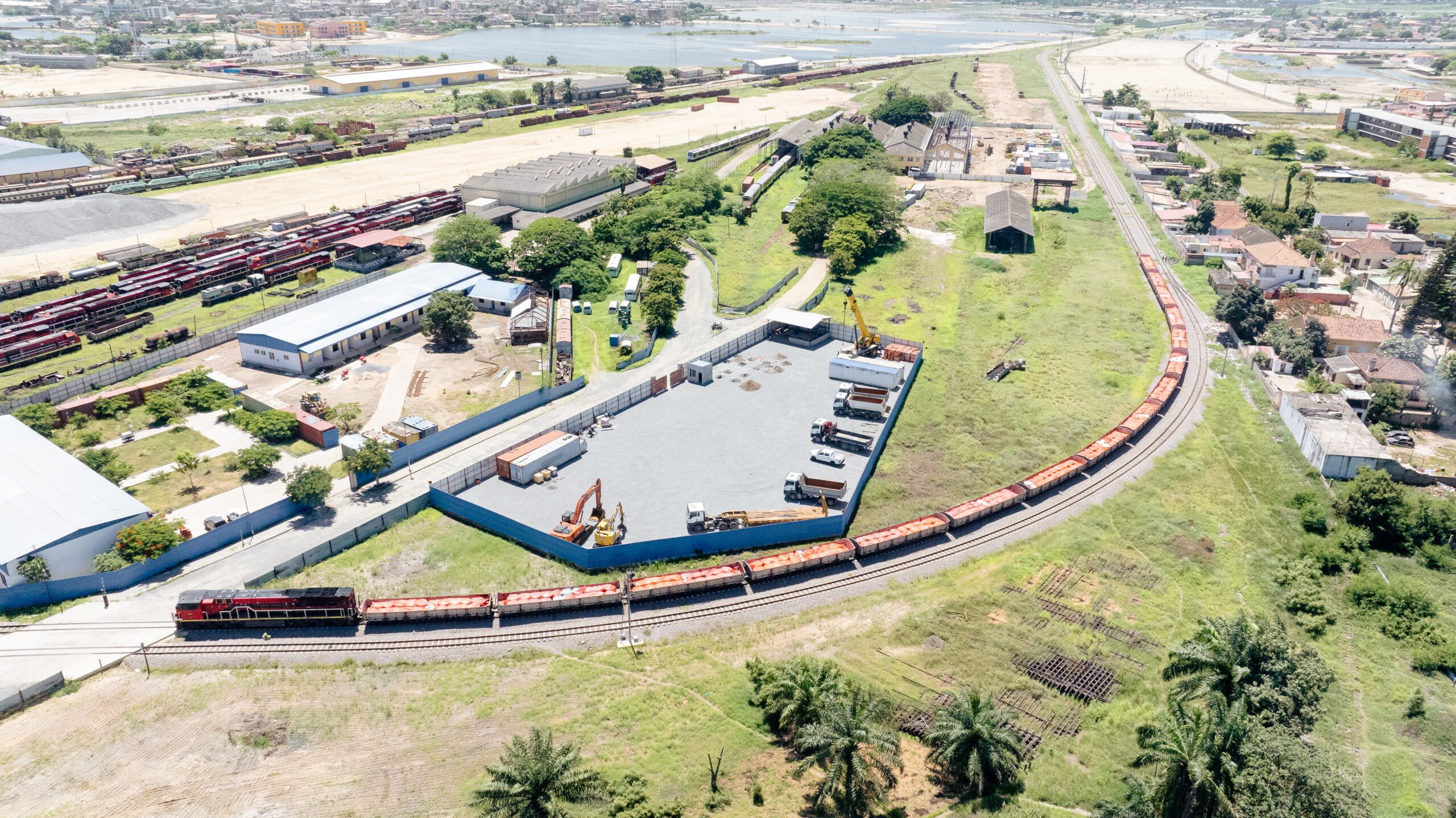
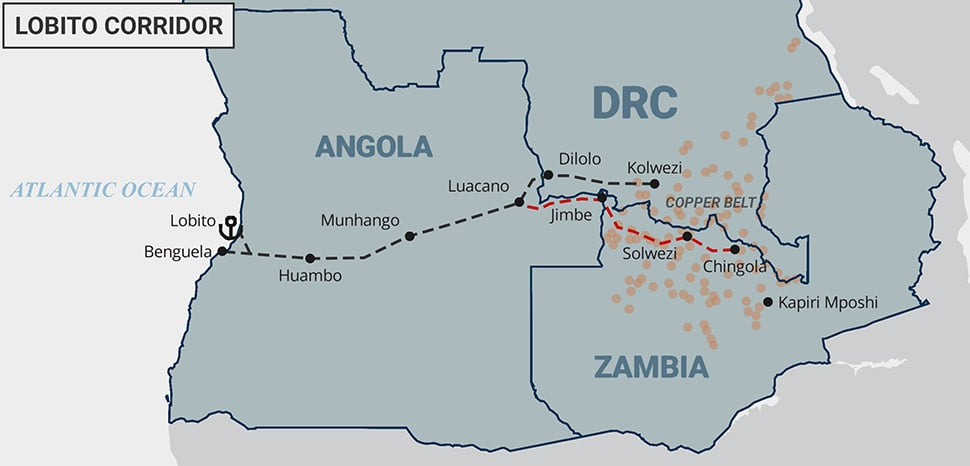
At its core, the Lobito Corridor is a railway and logistics network connecting the Atlantic port city of Lobito to the mineral-rich Copperbelt regions of the Democratic Republic of the Congo and Zambia. The corridor relies on the historic Benguela Railway, which runs across Angola and links inland mineral production to the coast for export. The project is backed by major investments from international partners seeking easier access to critical minerals like copper and cobalt used in modern technologies and green energy.
For global powers and multinational companies, the corridor promises faster and cheaper transport of these resources to international markets. But critics warn that Angola risks repeating a familiar pattern in African development: infrastructure built primarily to move raw materials abroad rather than to build prosperity at home.
A Project Built for Extraction?
Angolan investigative journalist Rafael Marques de Morais has been one of the most vocal critics of the project. He argues that the Lobito Corridor is being marketed as a symbol of progress while primarily serving foreign economic interests. According to Marques, the railway may end up connecting foreign mining operations to global shipping routes far more efficiently than it connects Angolan citizens to economic opportunity.
The concern is not simply about infrastructure. Angola has long struggled with an extractive economic model in which natural resources leave the country while wealth remains concentrated among elites. Large projects can create impressive statistics about growth and investment, but those numbers often fail to translate into stable employment, higher wages, or improved living conditions for the majority of the population.
The Missing Piece: Job Creation
For Angola’s working class, development must mean more than rail lines and port expansions. It must mean jobs, skills, and ownership in the industries being built.
Infrastructure projects of this scale can generate thousands of opportunities—construction jobs, logistics positions, manufacturing facilities, and service industries along the transport corridor. But without deliberate policy, those opportunities often go to foreign contractors or specialized workers brought in from outside the country.

A truly transformative Lobito Corridor would prioritize training programs for Angolan workers, domestic manufacturing linked to the corridor, logistics and industrial hubs employing local labor, and protections ensuring Angolan businesses can participate in supply chains.
Without these measures, the corridor risks becoming simply a transit route for minerals rather than a foundation for national development.
Criticism of Leadership
Many analysts believe that Angola’s leadership under João Lourenço has not been aggressive enough in negotiating deals that guarantee stronger economic benefits for the population. Lourenço has promoted the corridor as a major economic achievement, but critics argue that his government has prioritized geopolitical partnerships and foreign investment over policies that would directly benefit ordinary Angolans.
The international competition surrounding the project—between Western governments, China, and global mining companies—has created enormous leverage for Angola. With stronger negotiation strategies, the country could potentially secure agreements requiring local job quotas, technology transfer, and industrial development along the corridor.
Instead, skeptics fear Angola may again find itself exporting resources while importing finished goods and economic dependency.
Development Must Reach the Streets
The Lobito Corridor could still become a turning point for Angola. With proper planning, it could stimulate agriculture, manufacturing, logistics, and tourism across the country. It could turn Angola into a regional trade hub connecting inland Africa to the Atlantic.
But infrastructure alone does not create prosperity.
Real development is measured in the lives of everyday people—the dock workers, truck drivers, construction laborers, farmers, and small business owners who make up the backbone of Angola’s economy. If the corridor does not translate into stable employment and rising living standards for them, it will be remembered not as a national achievement but as another chapter in Africa’s long history of resource extraction.
Angola stands at a crossroads. The rails of the Lobito Corridor are being laid across the country, but the direction of the nation’s economic future is still very much undecided.
—Michael Lyles, B1Daily




 B1Daily
Leave a comment