—Kerry Hill, B1Daily
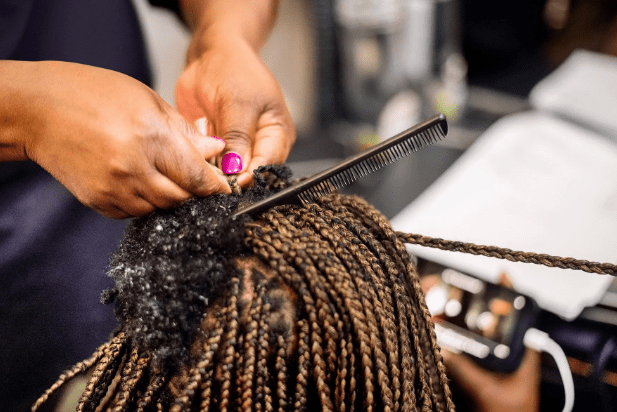
For decades, synthetic braiding hair has been a staple in protective hairstyles worn by millions of Black women across the United States and globally. Styles such as braids, twists, and extensions offer versatility and protection for natural hair. But in recent years, scientists, consumer advocates, and health researchers have begun raising concerns about whether chemicals found in some synthetic hair products could pose long-term health risks—including potential links to cancer.
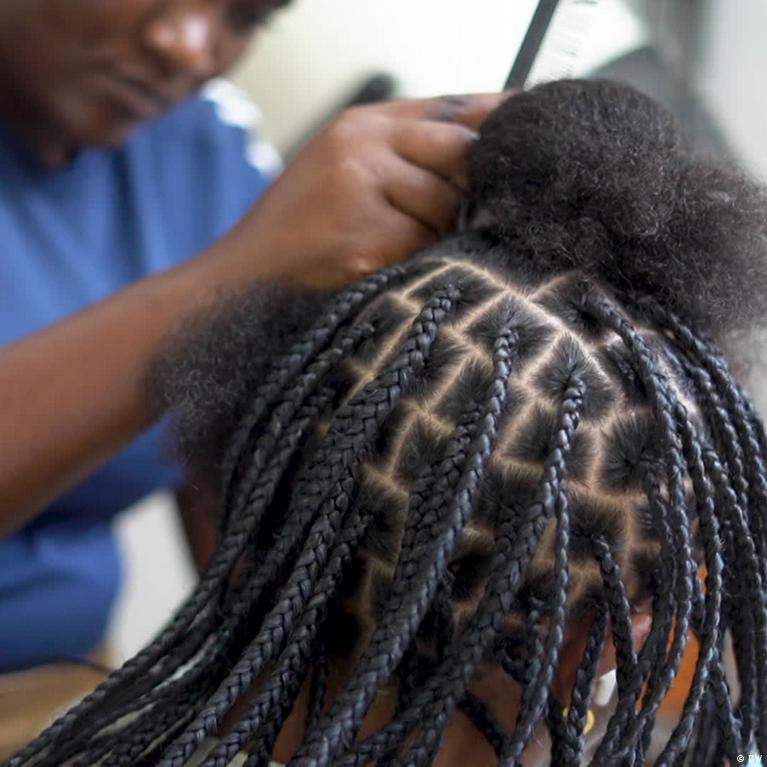
Investigations by organizations such as Consumer Reports have found that several brands of synthetic braiding hair contained potentially harmful chemicals, including volatile organic compounds and substances associated with cancer risk. Some tests reportedly detected compounds like benzene and other industrial chemicals that are known or suspected carcinogens when people are exposed to them over time.
These findings have sparked growing concern within the Black community, where synthetic hair is widely used and often worn for extended periods. While the research does not prove that synthetic hair directly causes Cancer, health experts say the presence of hazardous chemicals in products that sit close to the scalp for weeks at a time raises legitimate questions about long-term exposure.
Why Synthetic Hair Is Under Scrutiny
Synthetic braiding hair is typically manufactured from plastic fibers such as Kanekalon or Toyokalon. These fibers are produced through industrial processes that may involve chemical treatments, dyes, and flame-retardant coatings. Some experts believe residues from these processes could remain on the finished product.
Many users report irritation symptoms when installing braiding hair. These can include scalp itching, burning sensations, skin rashes, and irritation of the eyes or throat. While these reactions are often dismissed as mild discomfort, researchers say they could indicate exposure to chemical residues that deserve closer investigation.
Disproportionate Impact
Because protective hairstyles are culturally and socially significant in the Black community, Black women are the primary consumers of synthetic braiding hair products. That means any potential health risks associated with these products could disproportionately affect them.
Environmental justice advocates argue that this pattern reflects a broader issue in the beauty industry: products marketed primarily to Black consumers have historically received less regulatory scrutiny. Similar concerns have already emerged around hair relaxers and other beauty products that have been investigated for possible links to hormone-related cancers.
Regulatory Questions
Currently, the United States does not require cosmetic manufacturers to undergo strict pre-market safety approval from the U.S. Food and Drug Administration for most beauty products, including synthetic hair products. In many cases, companies themselves are responsible for determining whether their products are safe before they reach store shelves.
Because of this regulatory gap, consumer advocates are calling for stronger chemical testing requirements, greater transparency about ingredients used in synthetic hair manufacturing, and independent safety reviews for products widely used by Black consumers. Some scientists are also pushing for long-term studies that examine whether repeated exposure to chemicals in synthetic hair could contribute to increased cancer risks or other health problems.
Community Awareness Growing
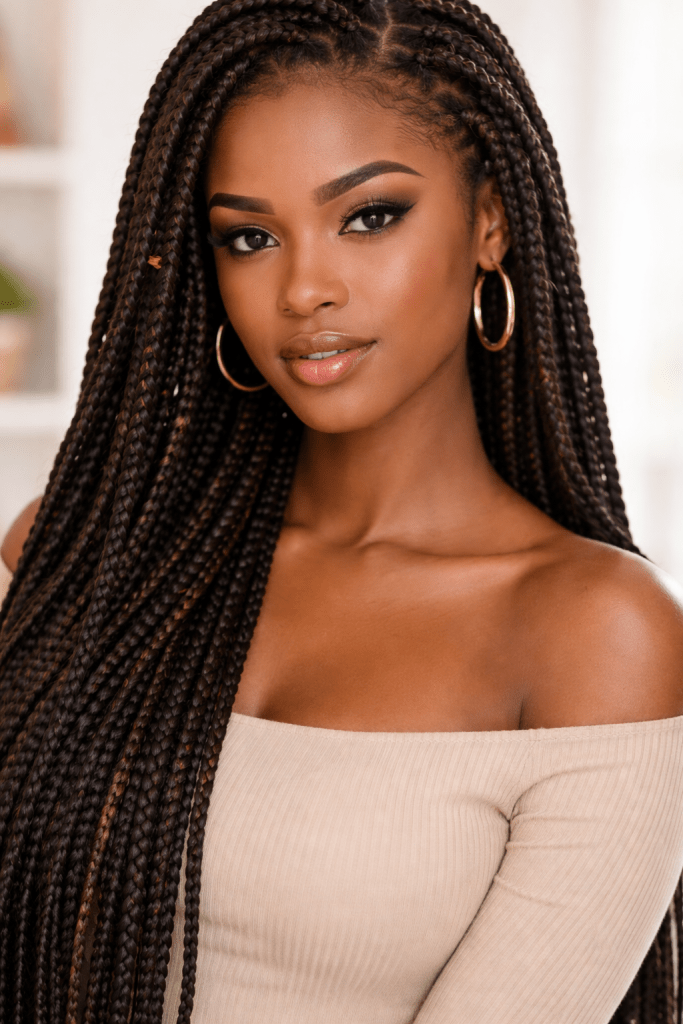
As awareness grows, many Black women have begun taking precautionary steps before installing synthetic braiding hair. Some soak the hair in vinegar solutions before use to remove potential chemical residues. Others are choosing human-hair extensions, switching to brands marketed as toxin-free, or reducing the amount of time synthetic hair remains installed.
Public health experts emphasize that more scientific research is still needed before definitive conclusions can be drawn. However, they say increased scrutiny is warranted whenever consumer products contain chemicals known to pose health risks.
A Call for Safer Products
For many advocates, the discussion is not about discouraging protective hairstyles but about ensuring the products used to create them are safe. Black women have long been innovators in hair culture and beauty, and the growing debate over synthetic hair safety reflects a broader demand for transparency and accountability in the beauty industry.
As researchers continue to investigate potential risks, the conversation highlights an important question about consumer safety: when products are worn close to the body for weeks at a time and used by millions of people, how carefully are we examining what they contain?
—Kerry Hill, B1Daily


 B1Daily
Leave a comment