—Matt Gwinta, Michael Lyles, B1Daily
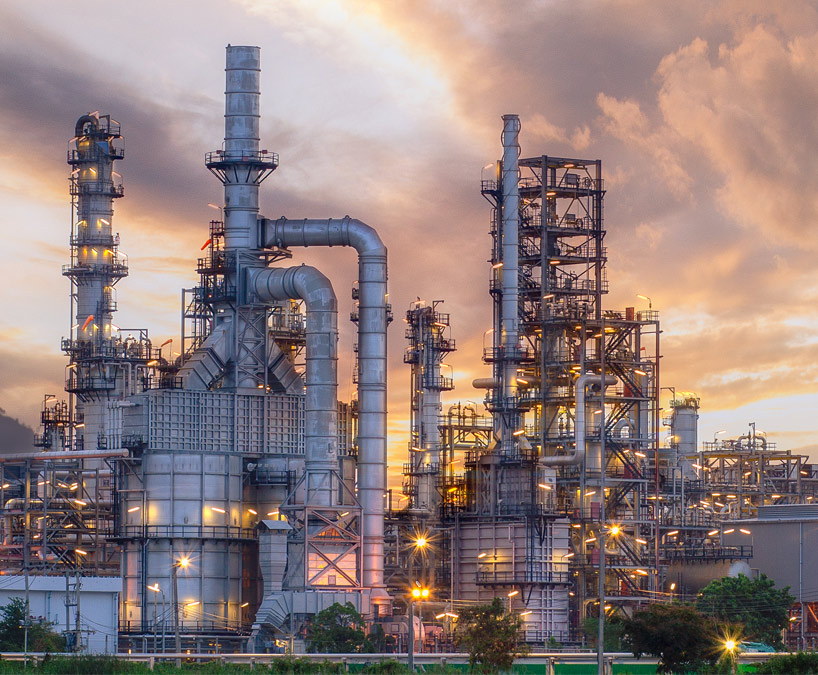
Africa possesses an unparalleled endowment of natural resources, spanning strategic minerals such as cobalt, lithium, platinum, gold, and petroleum reserves. Yet, paradoxically, the continent continues to generate limited economic value from these assets. From an economist’s standpoint, Africa’s underperformance reflects systemic deficiencies in industrial capacity, refining infrastructure, and logistics networks, which collectively constrain the ability to internalize the value chain and capture surplus from its resource wealth.
Refining Capacity Deficit and Lost Value-Added Opportunities
A fundamental structural challenge is the acute shortage of domestic mineral and hydrocarbon processing facilities. Countries including the Democratic Republic of Congo, Zambia, Nigeria, and Angola primarily export unrefined raw materials, ceding downstream value to foreign processors. For example, cobalt mined in the DRC is predominantly exported to China, where it is refined into battery-grade compounds for global markets. According to value-chain analysis, the transformation from raw cobalt to battery-ready material can increase unit economic value by 300-500%, representing a substantial opportunity cost for the exporting country.
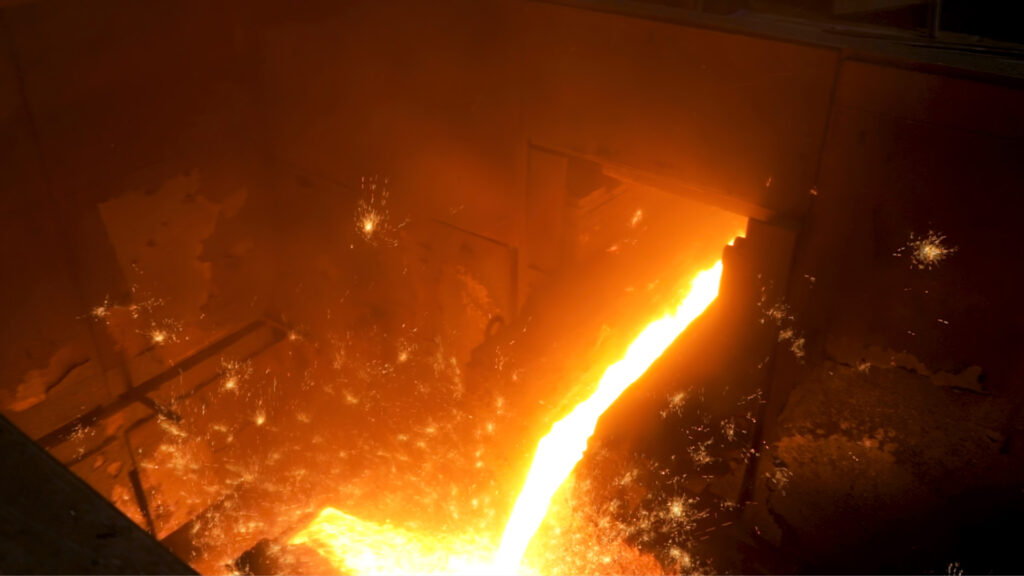
Similarly, crude oil-producing nations such as Angola, Nigeria, and Algeria face structural bottlenecks in domestic refining capacity. Exporting crude for refinement abroad while importing finished petroleum products results in negative net resource rents, fiscal inefficiencies, and vulnerability to global price fluctuations. This pattern illustrates a form of “resource leakages” where raw material rents are effectively captured exogenously rather than domestically.
Logistics and Infrastructure as Binding Constraints
Logistical inefficiencies exacerbate Africa’s resource underutilization. Inadequate transportation networks—including roads, rail, and port infrastructure—limit economies of scale, elevate unit transport costs, and introduce substantial delays. Mining operations located in landlocked or remote regions face prohibitive costs in moving commodities to export hubs. From a production economics perspective, these frictional costs reduce total factor productivity and depress the internal rate of return on capital investments in resource sectors.
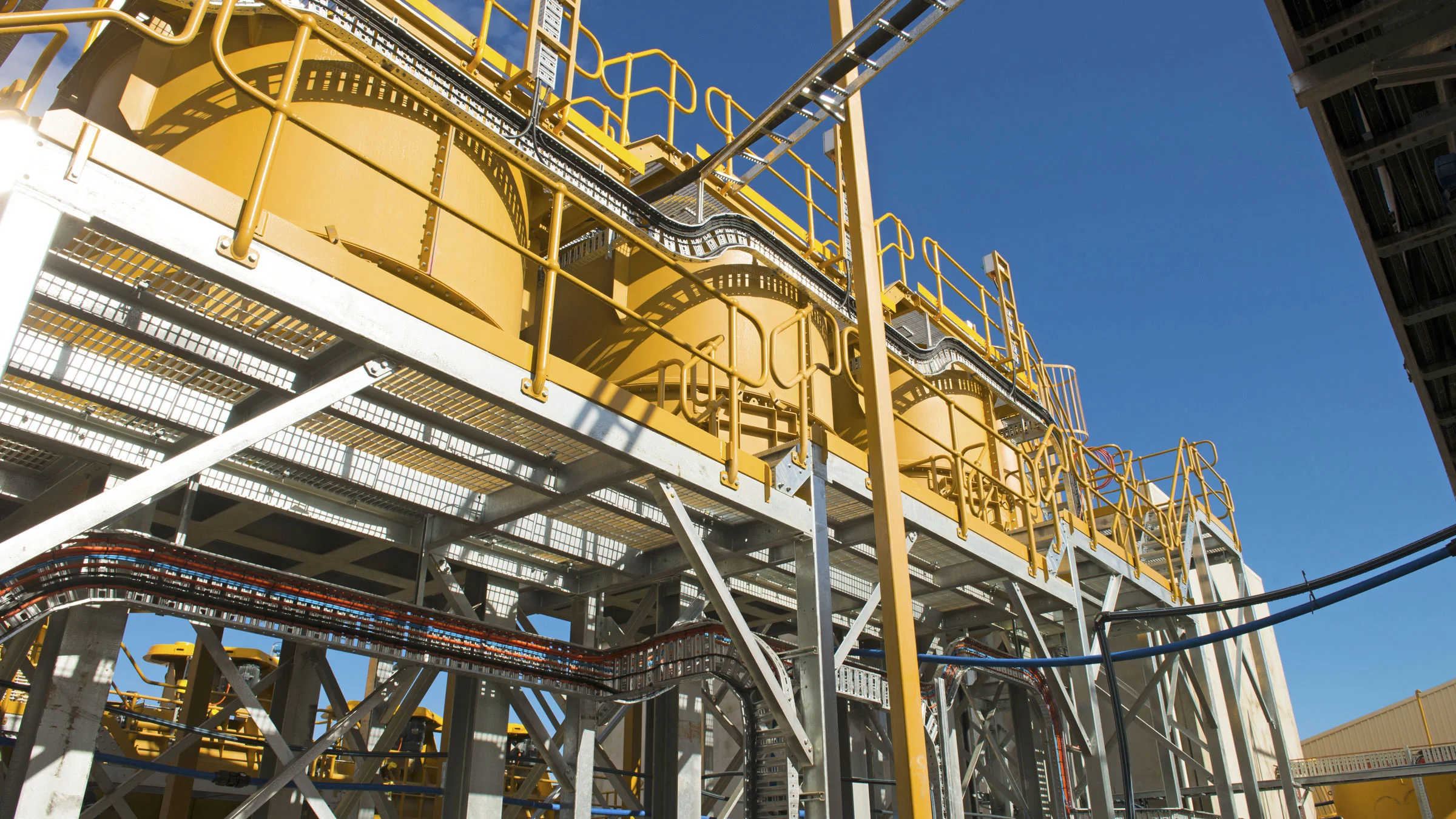
Further, deficient industrial supply chains—ranging from energy reliability to machinery and intermediate inputs—hamper domestic processing initiatives. This feedback loop restricts structural transformation, whereby resource-dependent economies remain tethered to upstream, low-value export activities.
Dependency and Rent Capture by Foreign Actors
Africa’s export-oriented raw material model engenders dependency on multinational corporations and foreign financial actors. Vertical integration of the global mineral supply chain allows external entities to internalize profits from downstream processing, constraining domestic industrial accumulation and technological transfer. The economic implication is a persistent comparative disadvantage in global value chains, even for countries with abundant endowments.
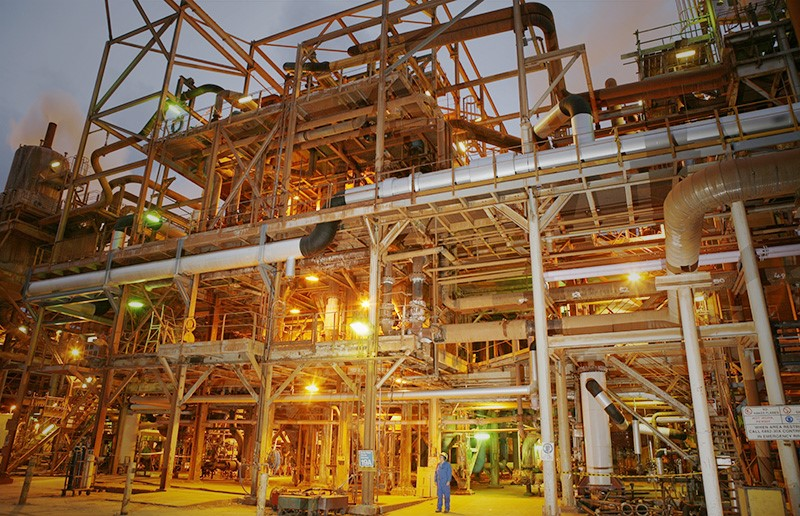
The resulting capital outflows also limit local multiplier effects; high-value employment, secondary industries, and fiscal revenues associated with downstream processing remain largely unrealized within host economies. Macroeconomically, this perpetuates structural trade imbalances and limits fiscal space for social investment.
Policy and Industrial Implications
Economists advocate for targeted industrial policy to rectify structural inefficiencies. This includes the development of domestic refinery and smelting capacity, strategic infrastructure investment to optimize logistics, and fiscal instruments such as export taxes on raw commodities or investment incentives for domestic processing. Economic modeling indicates that even incremental improvements in domestic value capture can significantly augment GDP, employment, and tax revenues in resource-rich nations.
Countries such as South Africa, Ghana, and the Democratic Republic of Congo are experimenting with localized processing initiatives, with Ghana expanding gold smelting and DRC incentivizing cobalt refinement domestically. These efforts, though nascent, highlight the potential for industrial upgrading to increase endogenous value capture.
Africa’s paradox lies in the coexistence of abundant natural resources and limited domestic economic benefits. From an economic standpoint, the primary constraints are structural: insufficient refining infrastructure, underdeveloped logistics, and dependence on foreign actors for downstream value capture. Addressing these deficiencies requires coordinated industrial strategy, strategic infrastructure investments, and institutional frameworks that align national resource wealth with domestic economic development.
Failure to internalize value along the resource supply chain results in persistent opportunity costs, constrained fiscal capacity, and diminished prospects for sustainable structural transformation. Conversely, successful investment in refining capacity and logistical integration could transform Africa from a raw material exporter into an industrialized participant in global value chains, securing higher economic rents and long-term developmental dividends for the continent.
—Matt Gwinta, Michael Lyles, B1Daily




 B1Daily
Leave a comment