—Vanessa Edwards, B1Daily
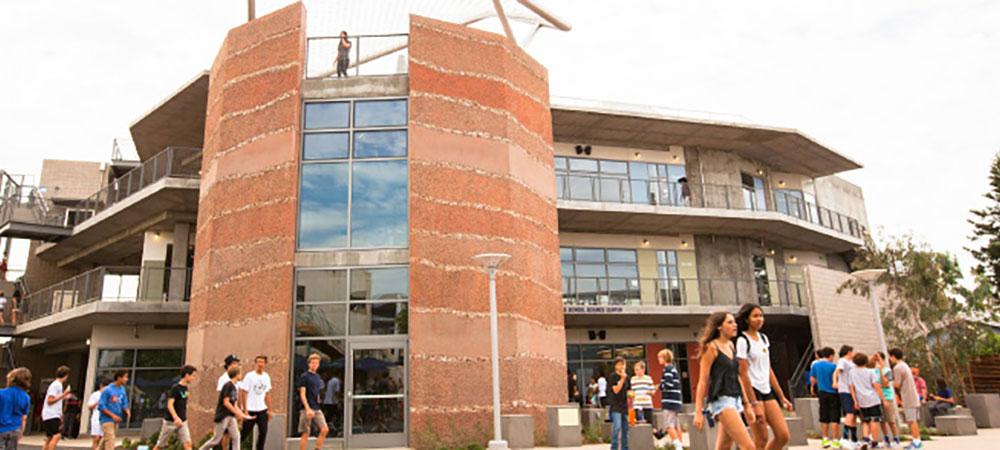
Nestled in the heart of Santa Monica, California, Crossroads School for Arts & Sciences has long been considered one of the most exclusive and influential private schools in the Los Angeles area. Known for its progressive curriculum and strong emphasis on the arts, the school has also developed a reputation as a training ground for the children of Hollywood’s wealthiest and most powerful families.

Founded in 1971, Crossroads was originally created with the mission of combining academic rigor with artistic creativity. Over time, however, the school became closely associated with the entertainment industry due to its proximity to Hollywood and the high-profile families who send their children there.
A School for the Entertainment Elite
Crossroads has educated the children of numerous celebrities, executives, and influential figures in the entertainment world. Students at the school often grow up surrounded by the sons and daughters of actors, producers, directors, and major industry insiders.
Because of this environment, many observers describe Crossroads as part of Hollywood’s informal pipeline—an institution where young people from powerful families build networks that often extend into careers in film, television, music, and media.
Its campus culture reflects that environment. The school places heavy emphasis on film, music, theater, and visual arts programs, providing resources that rival some professional training programs.
The Price of Prestige
Like many elite private institutions, Crossroads carries a steep price tag. Annual tuition can exceed $40,000 per student, placing it far out of reach for most American families.
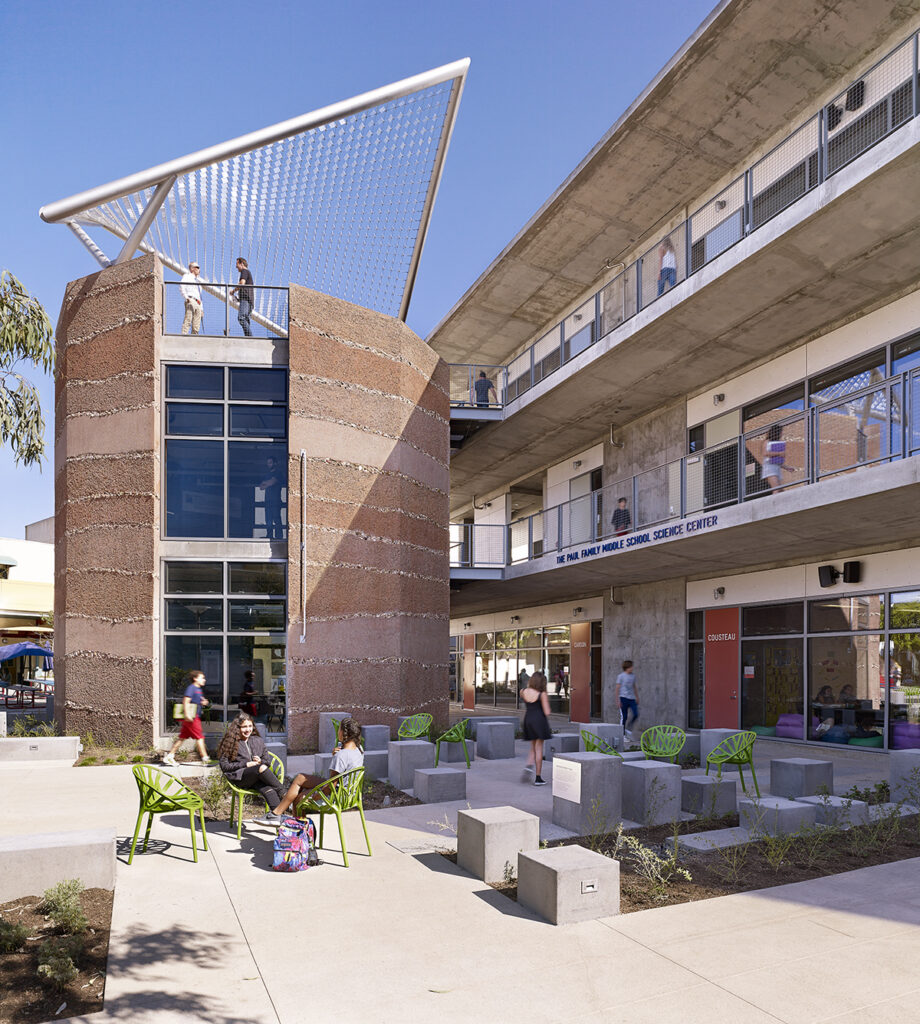
The cost reinforces the school’s reputation as a gathering place for affluent families in Los Angeles. Students benefit from small class sizes, access to state-of-the-art facilities, and opportunities that many public schools simply cannot match.
Supporters argue that the resources allow Crossroads to provide a world-class education that blends creativity and academic excellence. Critics, however, say the cost reflects broader inequalities in American education, where elite institutions provide advantages that can shape a student’s future long before they enter college.
Culture of Influence
Beyond academics, Crossroads is often described as a social hub for Hollywood’s next generation. Friendships formed at the school frequently continue into adulthood, creating networks that can influence careers in entertainment and media.
For some graduates, the school serves as an early stepping stone into Hollywood itself. Internships, mentorships, and industry connections are far easier to access when many parents already work within the entertainment business.
This dynamic has led critics to argue that Crossroads reflects a broader reality about Hollywood: talent and creativity matter, but access and connections often play a significant role as well.
Balancing Reputation and Reality
Despite its reputation as a celebrity school, Crossroads also maintains strong academic credentials. Graduates frequently go on to attend prestigious universities, and the school promotes values of creativity, activism, and social responsibility.

Administrators and supporters emphasize that the institution seeks to develop well-rounded students rather than simply preparing them for careers in entertainment.
Still, its location in the entertainment capital of the world—and the powerful families who send their children there—ensure that Crossroads will likely continue to be viewed as one of Hollywood’s most influential educational institutions.
Whether seen as an elite pipeline or simply a top-tier arts-focused school, Crossroads remains a symbol of how education, wealth, and influence intersect in the world of Hollywood.
—Vanessa Edwards, B1Daily




 B1Daily
Leave a comment