—Michael Lyles, B1Daily
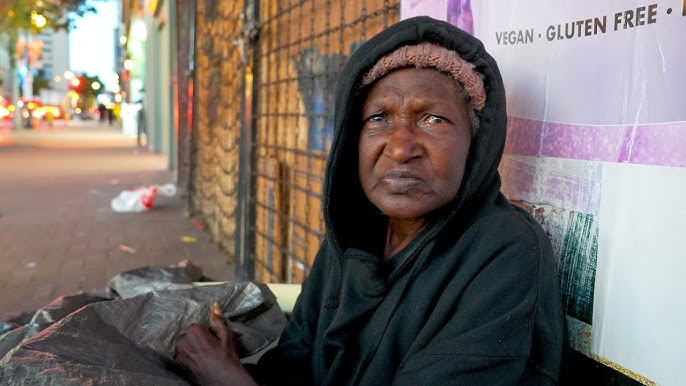
Across the United States, a troubling trend is emerging as growing numbers of elderly Black Americans face housing instability and, in some cases, homelessness due to the rising cost of homeownership. For many seniors who spent decades working and building lives in their communities, soaring housing expenses combined with fixed retirement incomes are creating a crisis that threatens their ability to remain in their homes.
In recent years, housing prices, property taxes, insurance costs, and maintenance expenses have risen sharply. For seniors living primarily on Social Security or limited retirement savings, these increases can be extremely difficult to manage. Millions of older Americans are now considered “cost-burdened,” meaning they spend a large portion of their income simply trying to keep a roof over their heads.
This burden can be particularly severe for elderly Black homeowners and renters who often enter retirement with fewer financial assets than their white counterparts. Long-standing economic disparities and lower accumulated wealth mean many older Black Americans have less financial flexibility when housing costs rise. Even modest increases in property taxes, insurance premiums, or basic home repairs can quickly become overwhelming for someone living on a fixed income.
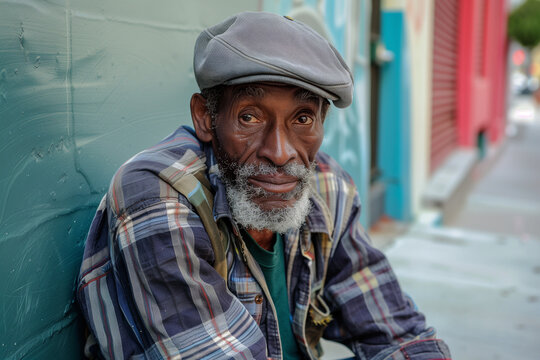
At the same time, homelessness among older Americans is increasing. Seniors have become one of the fastest-growing segments of the homeless population, and experts warn that the number could grow significantly in the coming years if housing affordability continues to deteriorate. Black Americans are especially vulnerable within this crisis. Despite representing a smaller share of the overall population, they make up a disproportionately large portion of those experiencing homelessness, reflecting deeper economic inequalities tied to housing access, employment opportunities, and wealth accumulation.
The roots of these disparities stretch back decades. Historical housing discrimination, including redlining and unequal access to credit, prevented many Black families from building generational wealth through homeownership. Because of these barriers, many Black seniors today enter retirement with fewer financial protections and smaller safety nets compared with other groups.
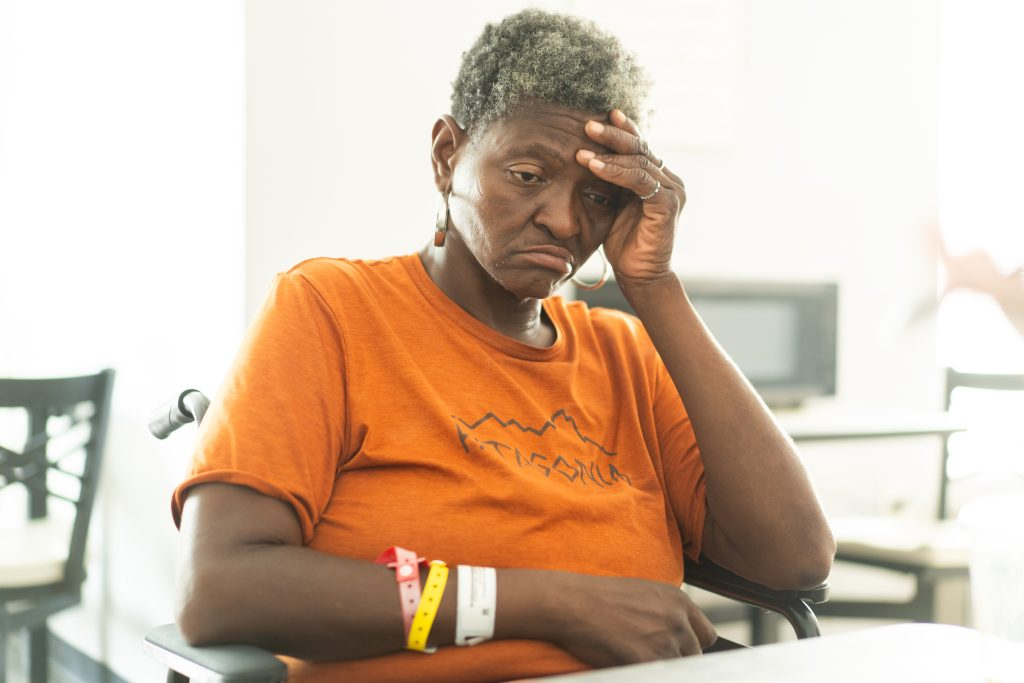
Even seniors who successfully paid off their mortgages are not immune to the problem. The cost of staying in a home continues long after the mortgage is gone. Property taxes, insurance, maintenance, and utilities can consume a significant share of a fixed income. When these expenses rise suddenly, elderly homeowners may find themselves forced to sell their homes or fall behind on payments that keep the property secure.
Renters face an even more precarious situation. Rental prices have surged in many cities, and affordable senior housing remains in limited supply. Waiting lists for subsidized housing programs can stretch for years, leaving many older adults with few options when rents increase beyond what they can afford.
For elderly individuals, homelessness carries particularly severe risks. Older adults experiencing homelessness often struggle with chronic health problems, limited mobility, and difficulty accessing consistent medical care. Losing a home late in life can also sever social connections that provide emotional support and stability, leaving seniors isolated at a time when they are most vulnerable.
Addressing the issue will require a range of solutions. Advocates point to the need for expanded affordable housing, stronger rental assistance programs, property tax relief for seniors, and broader economic policies that protect older adults living on fixed incomes.
Without meaningful intervention, however, rising housing costs could continue pushing more elderly Americans—particularly Black seniors—into housing insecurity. For people who spent their lives working, raising families, and contributing to their communities, the prospect of homelessness in old age represents more than an economic failure. It raises serious questions about dignity, fairness, and how society chooses to care for those who built the foundations of the communities we live in today.
—Michael Lyles, B1Daily



 B1Daily
Leave a comment