—Vanessa Edwards, B1Daily
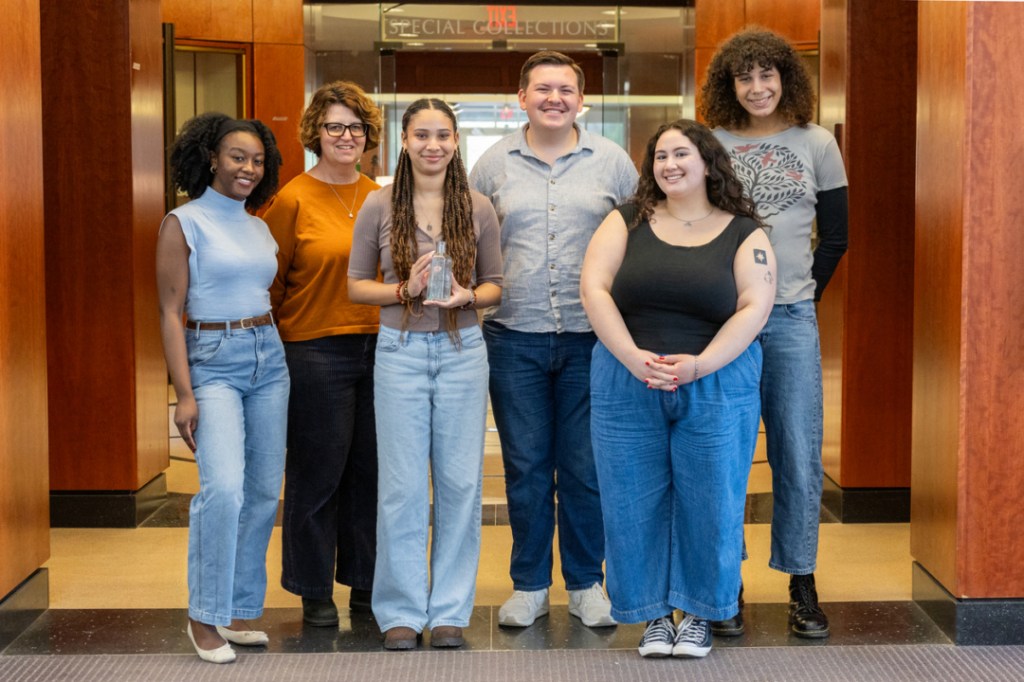
A growing academic effort is bringing overlooked voices back into the historical record as students work to digitize the personal diaries of Black women from the 19th and early 20th centuries. The project, based at William & Mary, highlights how everyday writings can reshape our understanding of American history.
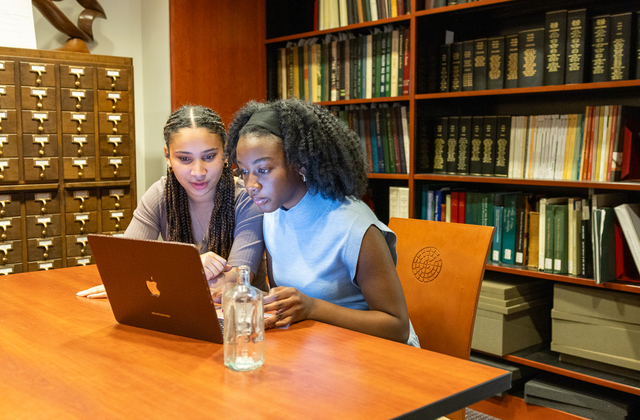
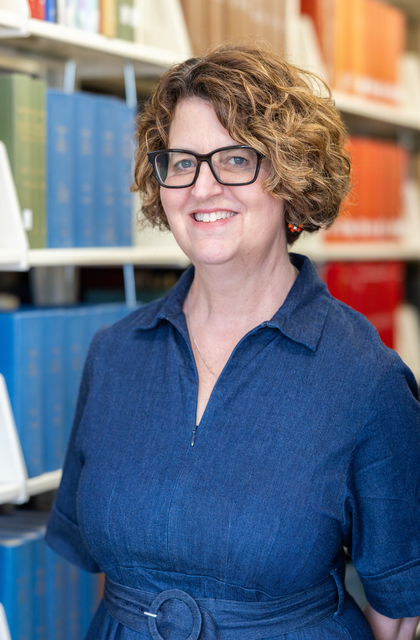
The Black Women’s Diaries Project, led by professor Jennifer Putzi, transcribes, annotates, and digitally encodes diaries written by African American women. By transforming fragile archival documents into searchable digital texts, the project allows historians, students, and the public to access stories that have often remained hidden in archives for decades.
Many of the diaries being studied date back to the Reconstruction era and the decades that followed. They offer deeply personal insights into the daily lives of Black women—documenting family relationships, education, social gatherings, travel, faith, and the challenges of navigating a racially divided society.
Recovering Everyday Black History
One of the diaries being digitized is the 1902 journal of Florence Barber, a resident of Norfolk, Virginia. Her writings provide a rare window into everyday life at the turn of the twentieth century, capturing personal reflections that rarely appear in traditional historical records.
Students are also studying writings from Mary Virginia Montgomery, whose family had once been enslaved but later acquired the plantation where they had previously labored. Her diary offers a powerful perspective on the social changes that followed emancipation and the complicated realities Black families faced in the post-slavery South.
Through these writings, historians gain a clearer picture of how Black women experienced major historical transitions—from Reconstruction to the rise of segregation—through the lens of ordinary life.
Technology Meets Historical Preservation
The project represents an example of digital humanities, where technology is used to preserve and expand access to historical materials. Students learn specialized techniques to digitally encode handwritten manuscripts so that readers can search them by themes, names, dates, and events.
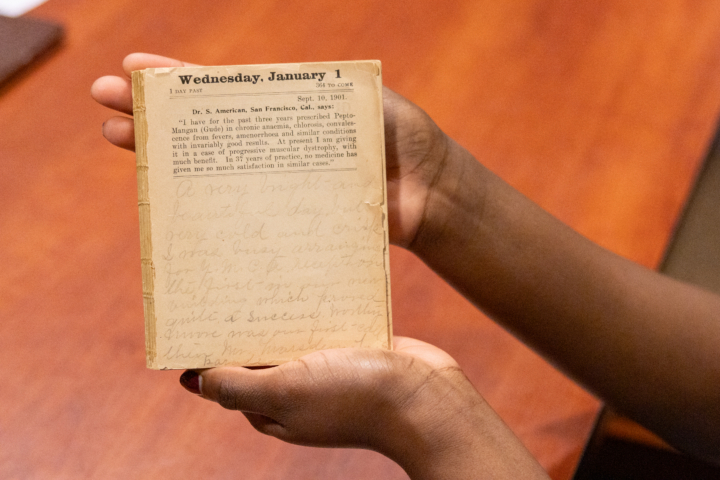
The work itself can be painstaking. Many diaries contain faded pencil writing, dense cursive, or inconsistent spelling, requiring students to carefully interpret and transcribe each entry. Collaboration is often necessary as students compare interpretations to ensure accuracy.
Once completed, the digitized diaries will be made publicly accessible online, allowing scholars, educators, and readers around the world to explore the writings.
Why These Voices Matter
Black women’s personal writings have historically been underrepresented in archives and historical publications. While official records and political histories exist, diaries reveal personal emotions, cultural traditions, and daily experiences that formal documents often overlook.
Projects like the one at William & Mary help ensure that these voices are preserved and shared widely. By digitizing the diaries, scholars are not only protecting fragile historical documents but also expanding the historical narrative to include perspectives that were too often ignored.
In many ways, the project reminds us that history is not only shaped by famous leaders or political events. It is also written quietly in personal journals—one entry at a time.
—Vanessa Edwards, B1Daily



 B1Daily
Leave a comment